The Tallest Peaks in Europe
Atop of European ranges you’ll find marvelous snowcapped peaks.
Travel back to the Middle Ages with this photo gallery of the most breathtaking castles that still stand in Europe.
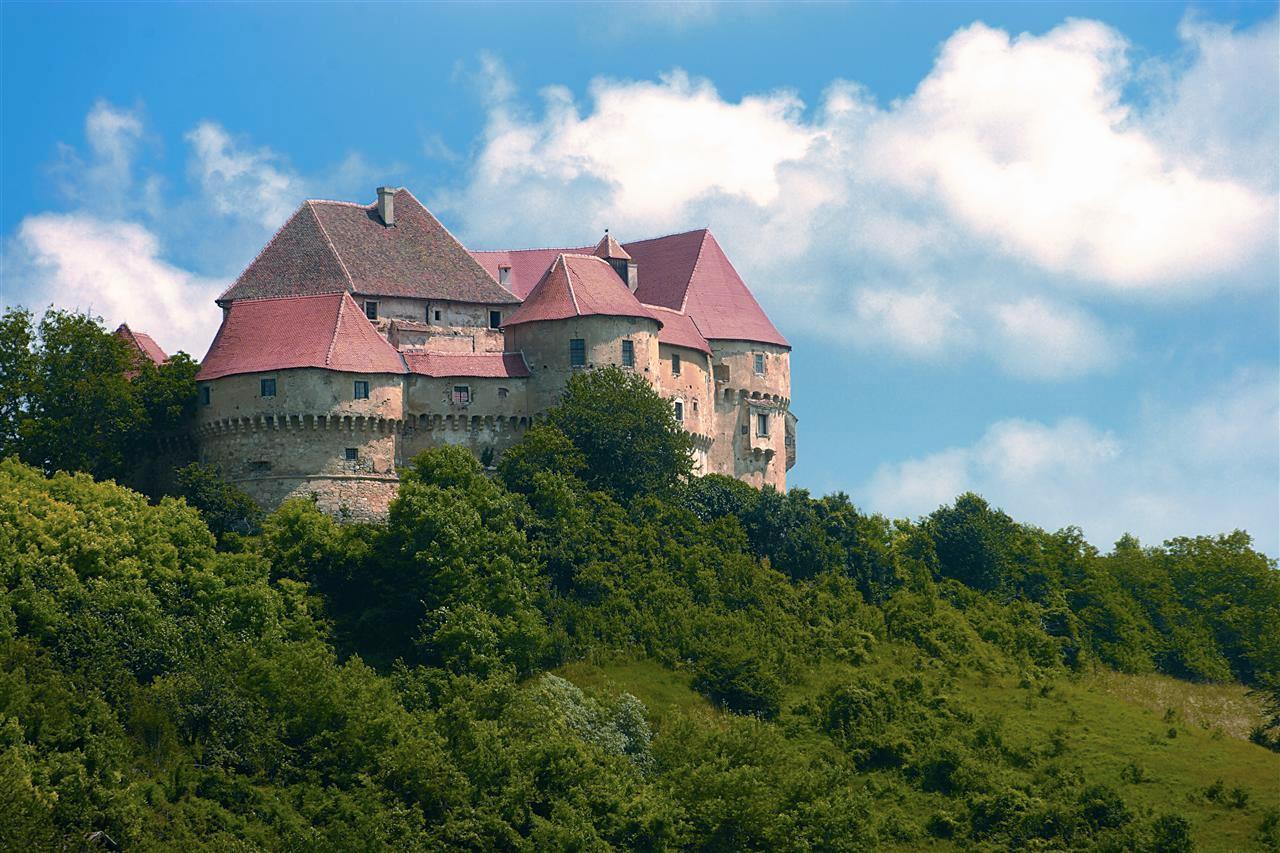
Dating back to the 12th century, Veliki Tabor has long stood strong in northwest Croatia. From the fortified roof to the former wine cellar, it’s a castle with substance and style. Today, it’s a popular museum and even plays host to an international short-film festival.
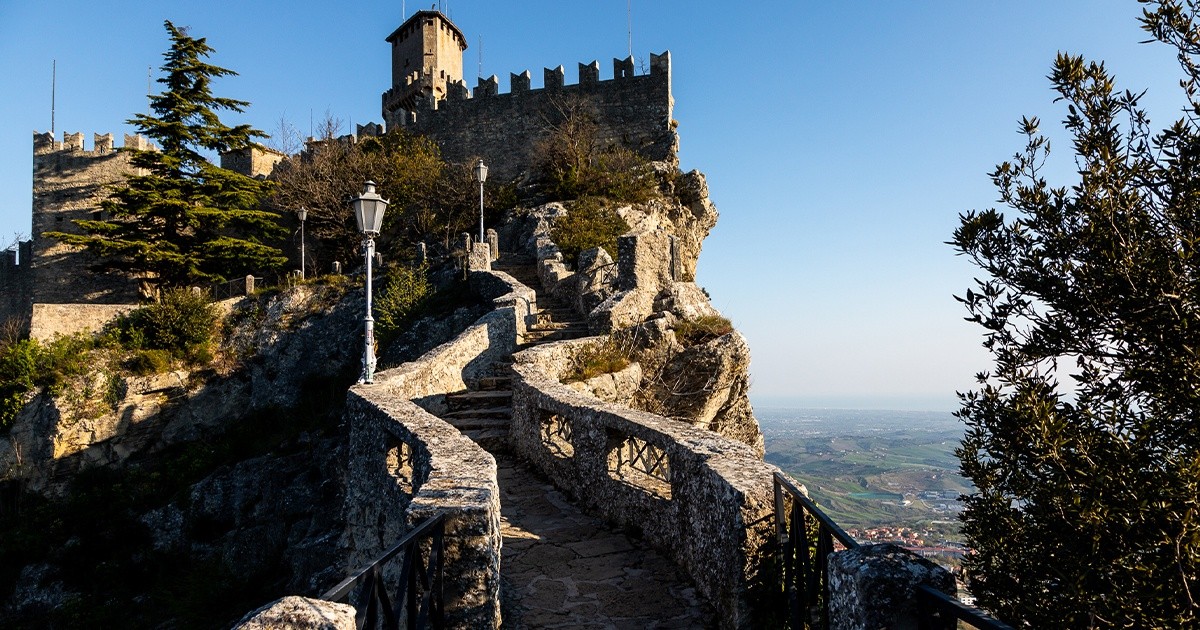
Standing over San Marino on Monte Titano, the Fortress of Guaita is one of Europe’s oldest towers. It was constructed in the 12th century with stone walls that have held strong to this day. Later joined by two other towers, the three towers of San Marino remain a fascinating sight.
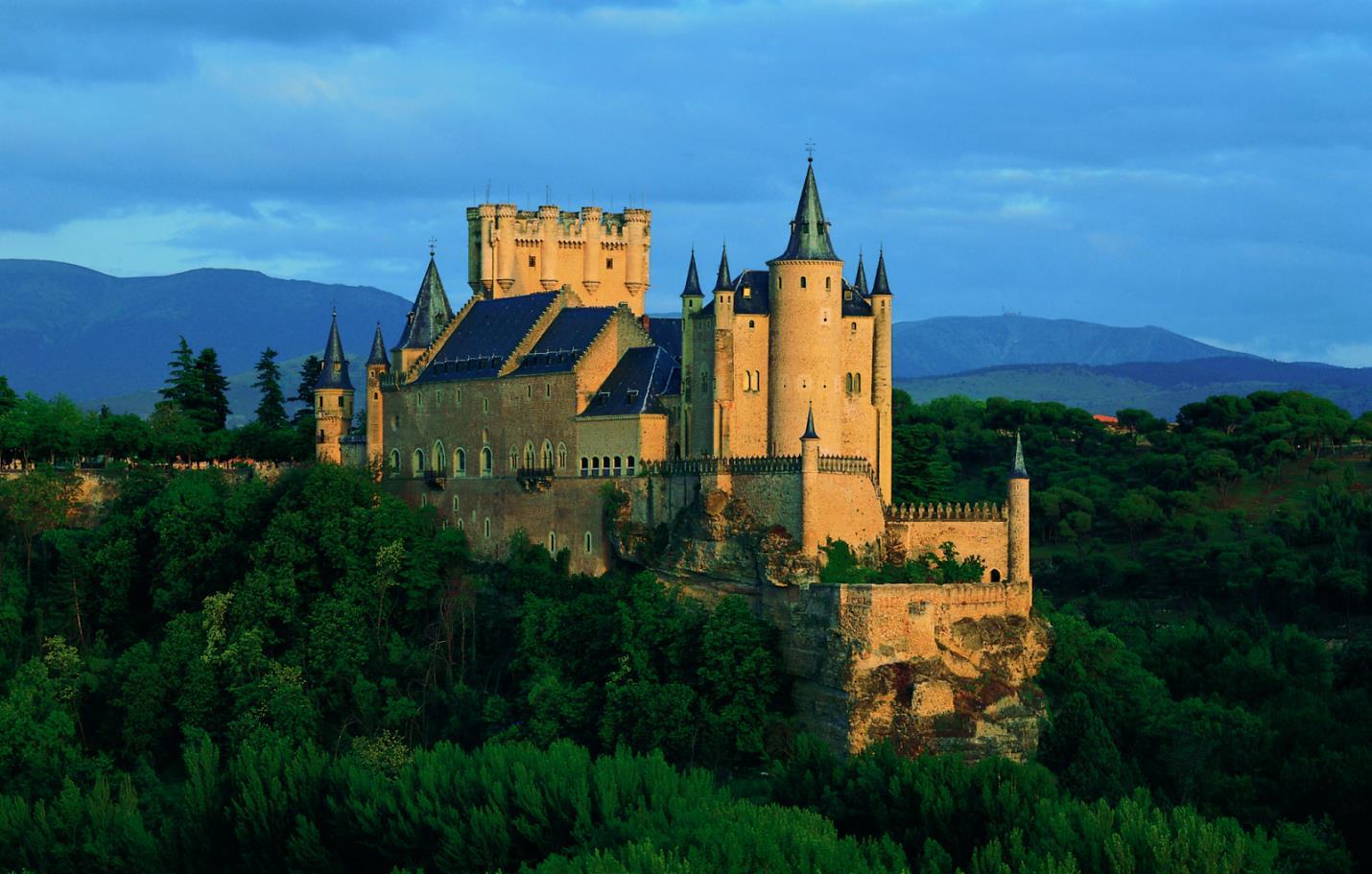
Spain’s cherished castle, Alcázar of Segovia, looks like something out of a fairy tale. Its towers peak toward the sky with elegance over strong walls that have provided fortitude for Spanish royalty for hundreds of years. Surrounded by a lush forest, the beauty of Alcázar of Segovia only stands out even more.
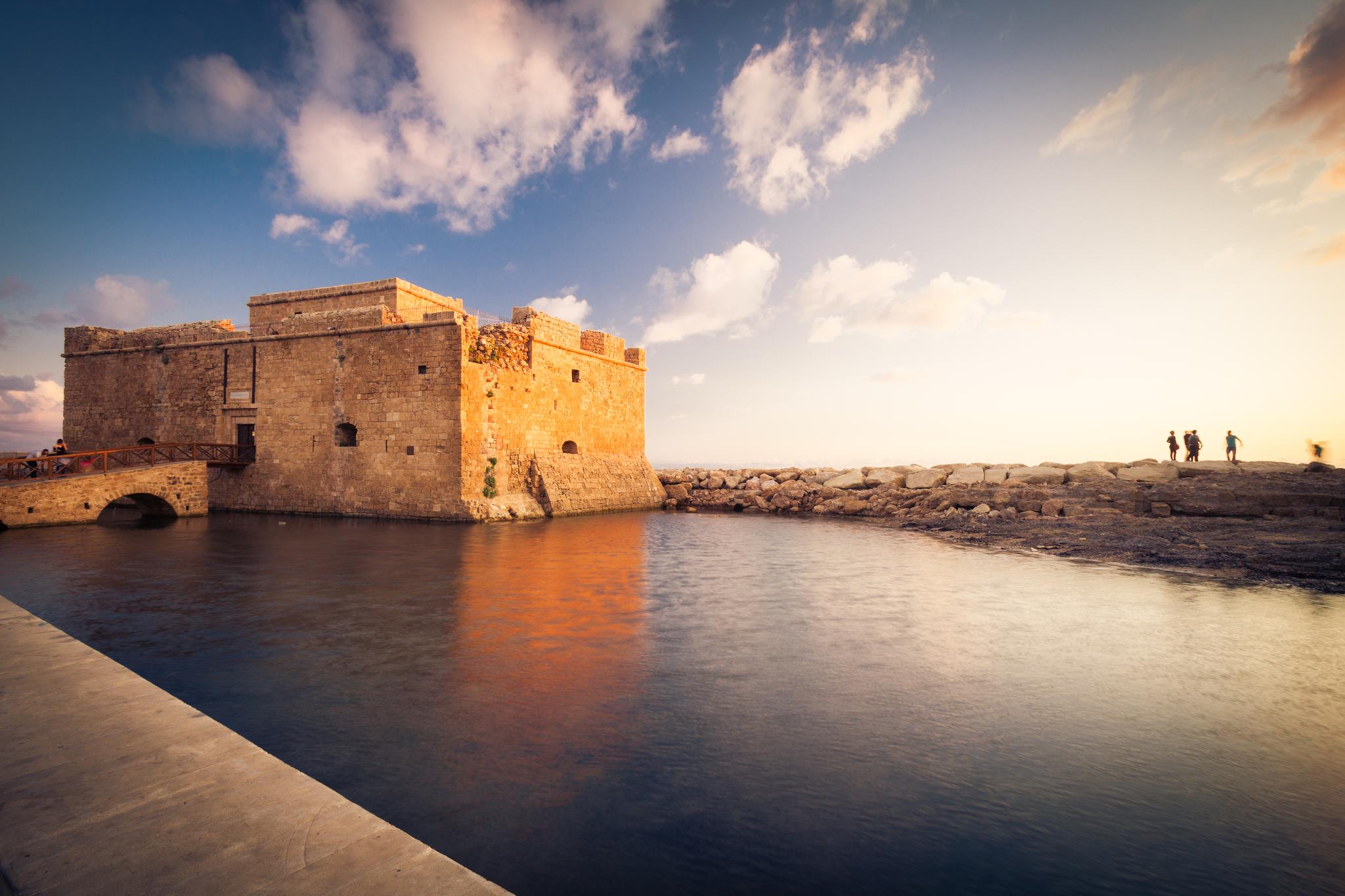
The Paphos Castle of the Paphos harbor in Cyprus is one of the most unique structures in Europe. With a functional design, Paphos Castle was built to protect the harbor from unwanted intruders. The castle’s role has changed over the years from fortress to prison to its current use as a museum.
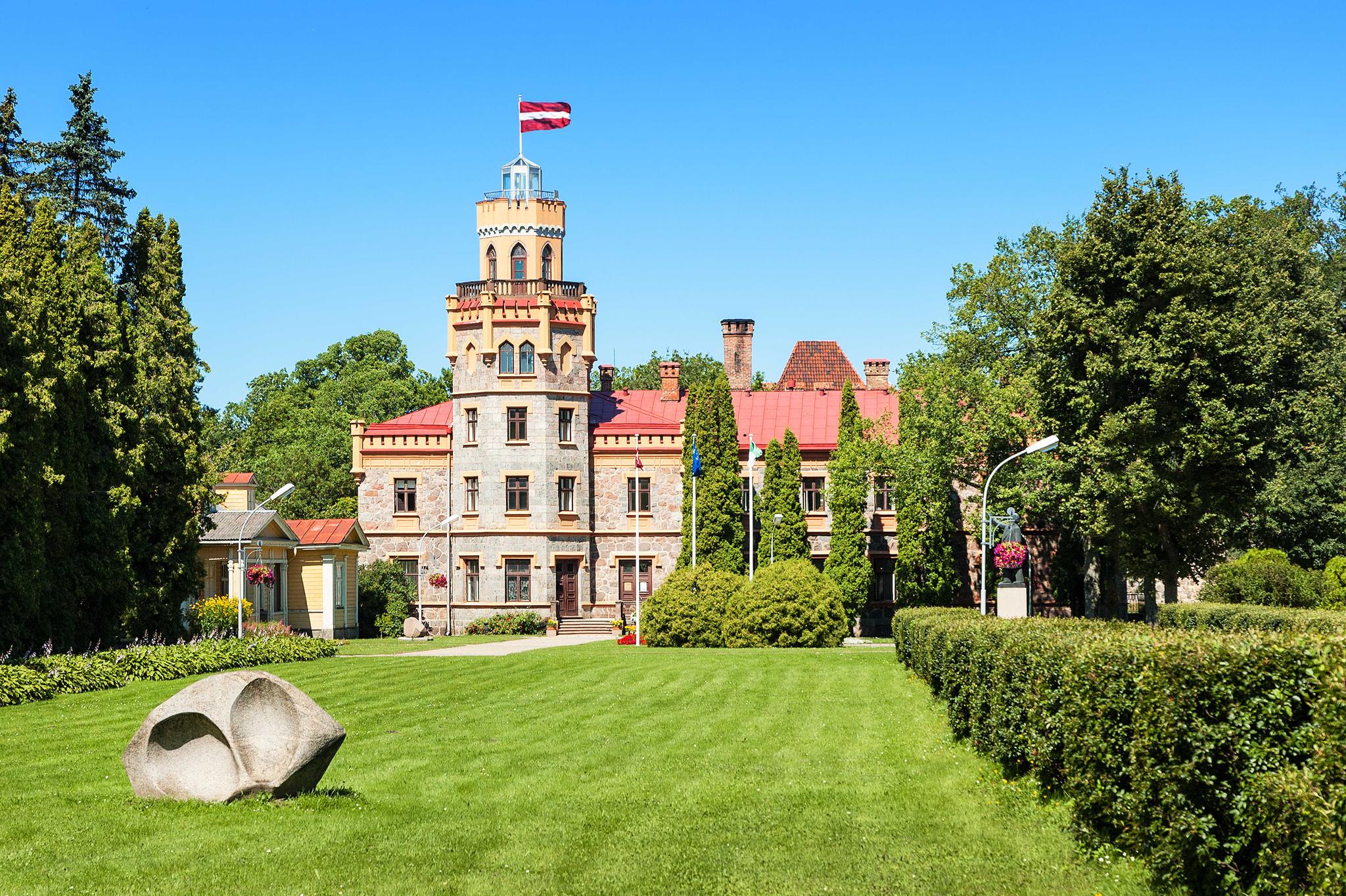
While parts of Latvia’s Sigulda Castle were built in the 13th century, it was in 1878 when much of the property’s grandest structures were constructed. Its lavish grounds, neo-gothic architecture and inspiring art gallery create a Latvian paradise for its current occupants, the Sigulda Region Council.
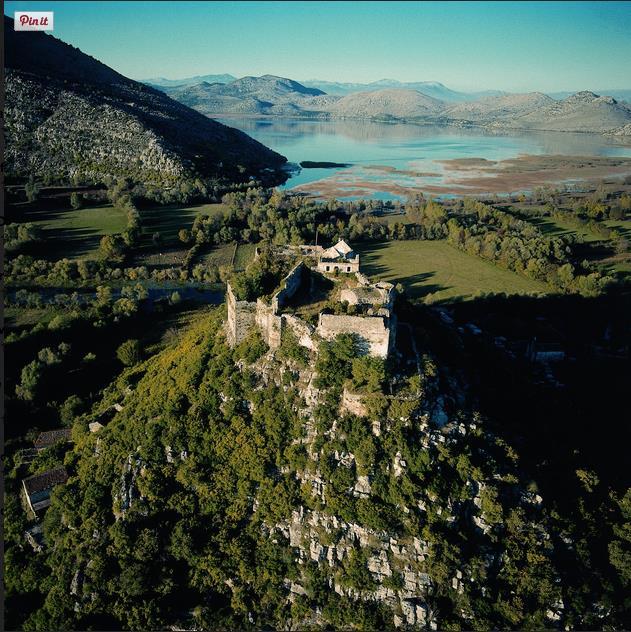
The abandoned known as Žabljak Crnojevića can be found near the shores of Lake Skader in Montenegro. Mystery surrounds the ruins, but it’s believed that it dates back to the 10th century and was originally used by the Vojislavljević dynasty. Today, its remains are a popular tourist destination in Montenegro.
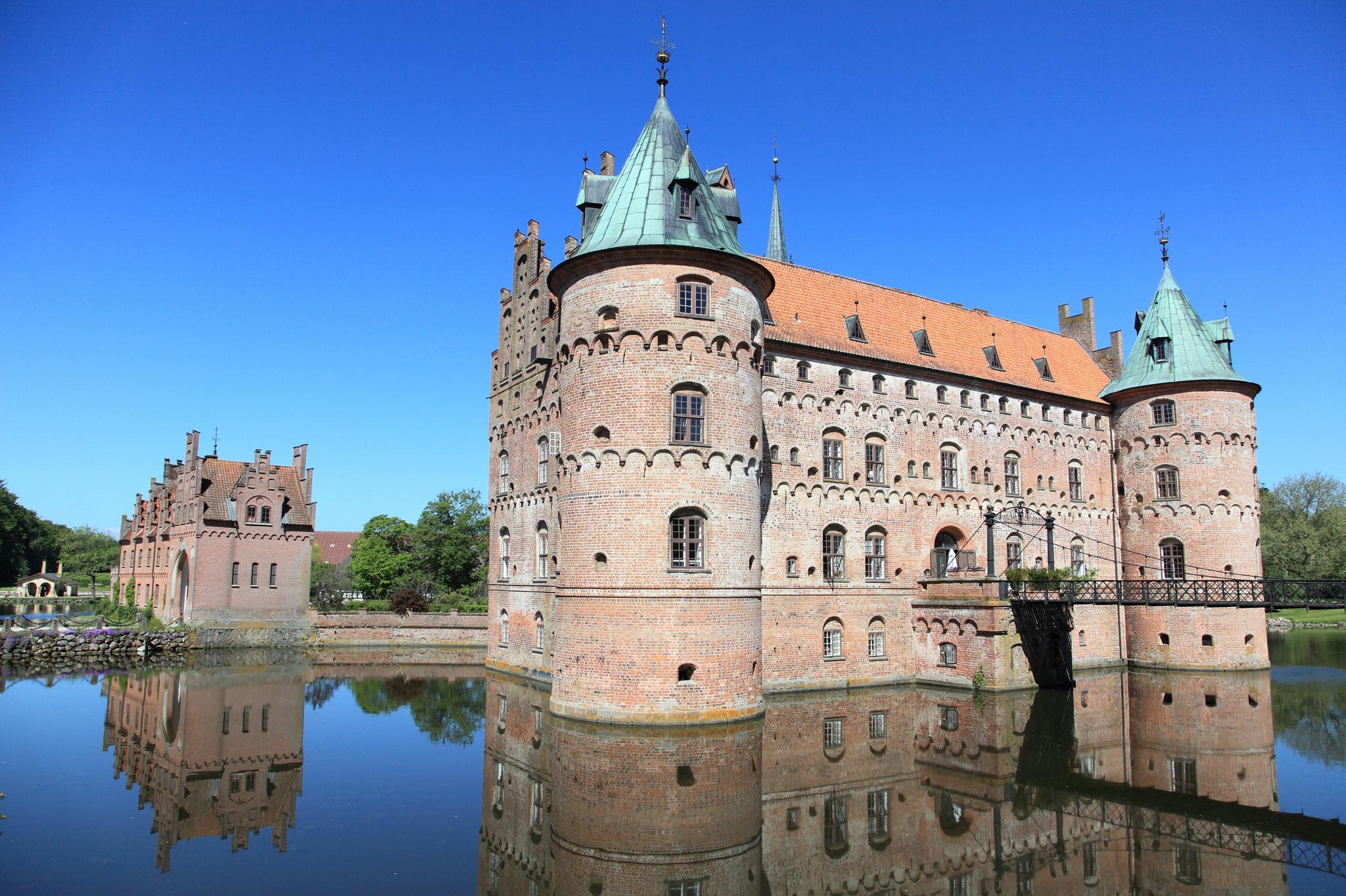
With an interior as breathtaking as its exterior, Egeskov Castle is a crown jewel in Denmark. Today, it’s a museum open to the public. But hundreds of years ago, Egeskov Castle could only be accessed via drawbridge. Luckily, it’s easier to experience the castle’s lush gardens, arched-window architecture and renovated décor today.
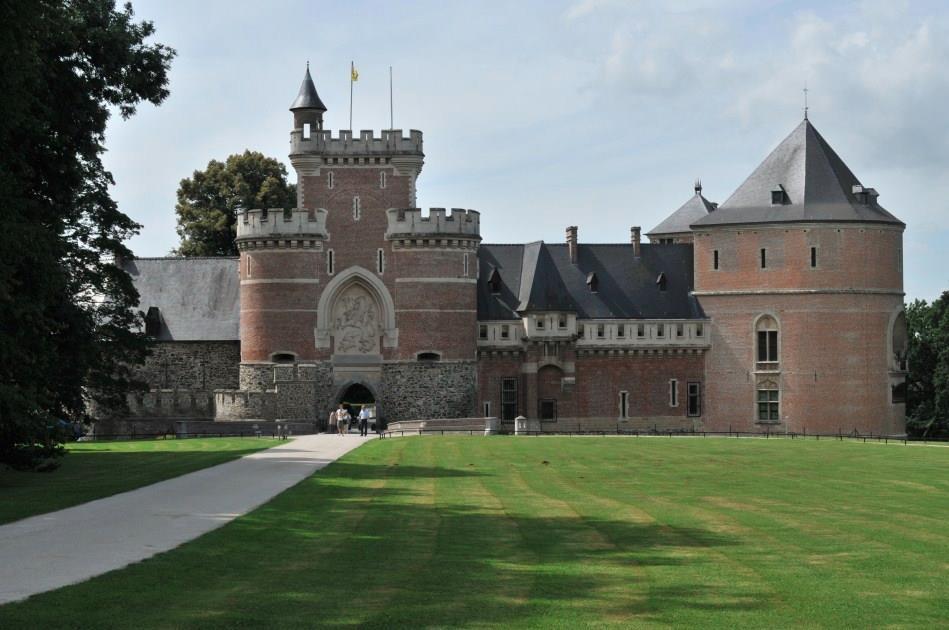
Belgium’s prized castle can be found just outside of Brussels. Kasteel van Gaasbeek has changed hands many times since its formation in the 13th century. Today, it’s owned by the Flemish Community so that its 124 acres of elegant grounds can be open to the public.
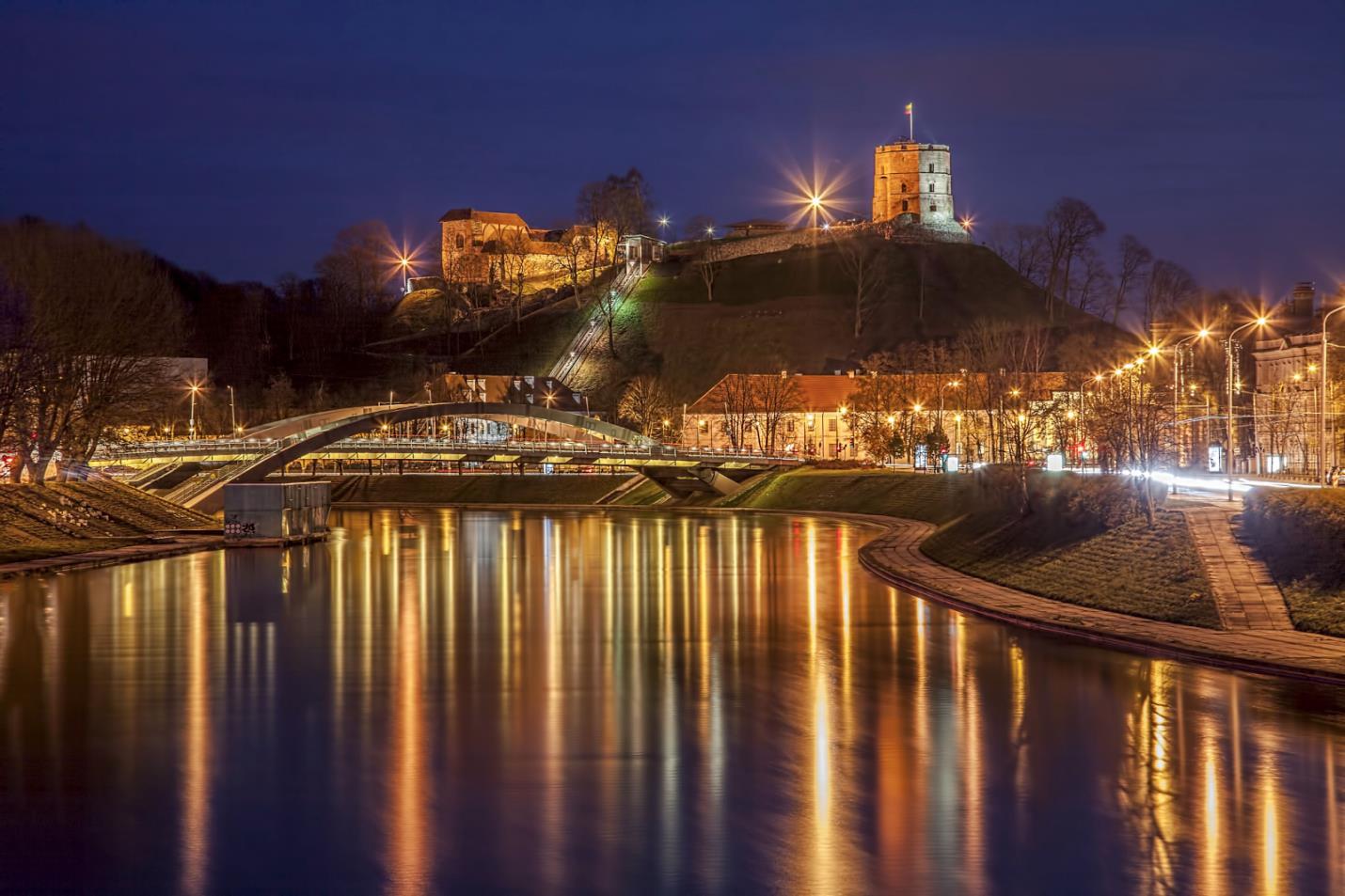
The Gediminas’ Tower is a small fortress at the top of a hill that was originally built of wood in the 1400s. Soon after, the tower was fortified with brick and stone and became the anchor of the Vilnius Castle complex. Now, the Gediminas’ Tower is the only part of the castle that remains in tact.
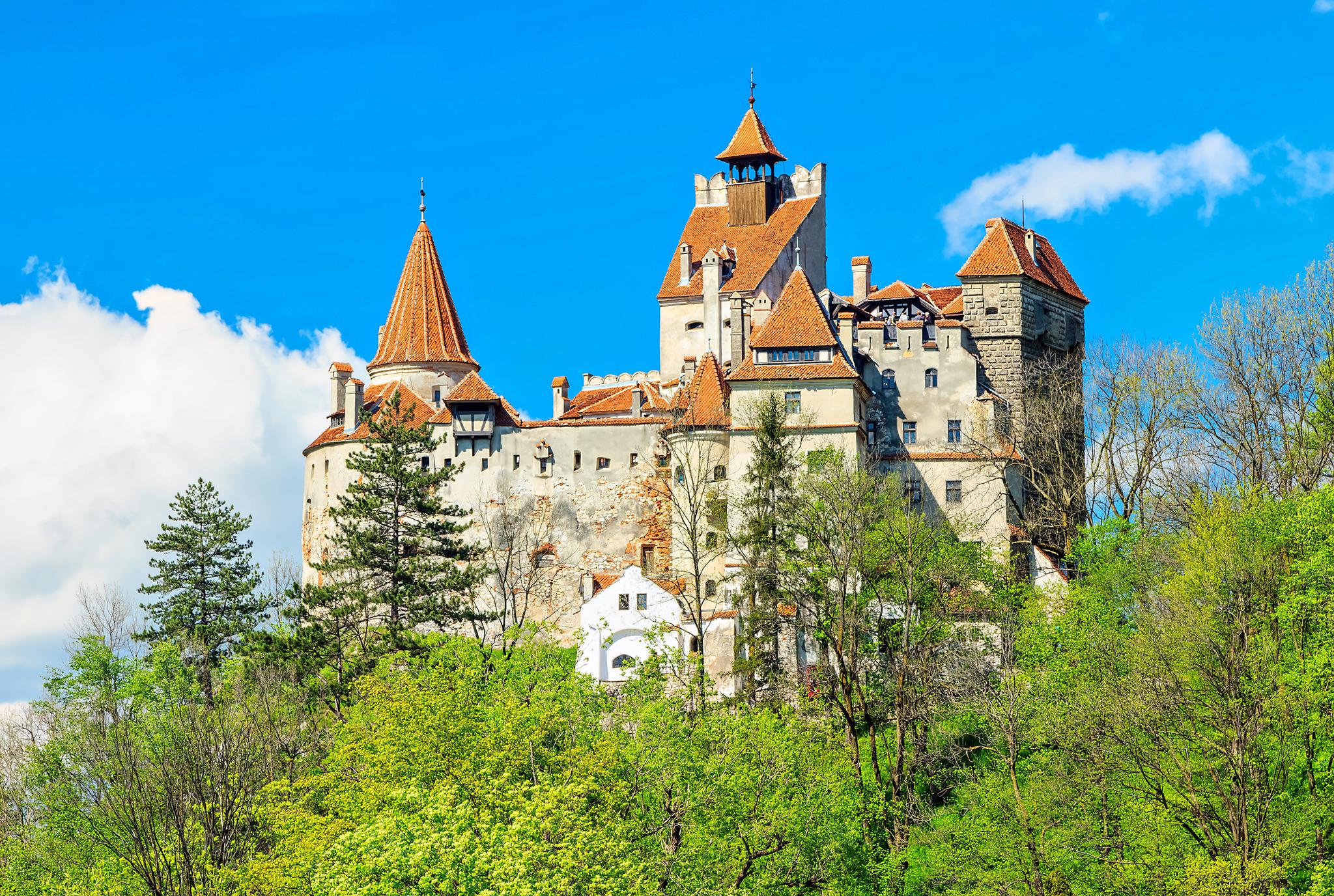
Located in Romania, the Bran Castle is still an extravagant property. From the peaceful courtyard to its secret passages, it’s the prototypical European castle. It’s been nicknamed “Dracula’s Castle,” as it’s speculated that Bram Stoker drew inspiration for the story of Dracula from Bran Castle.
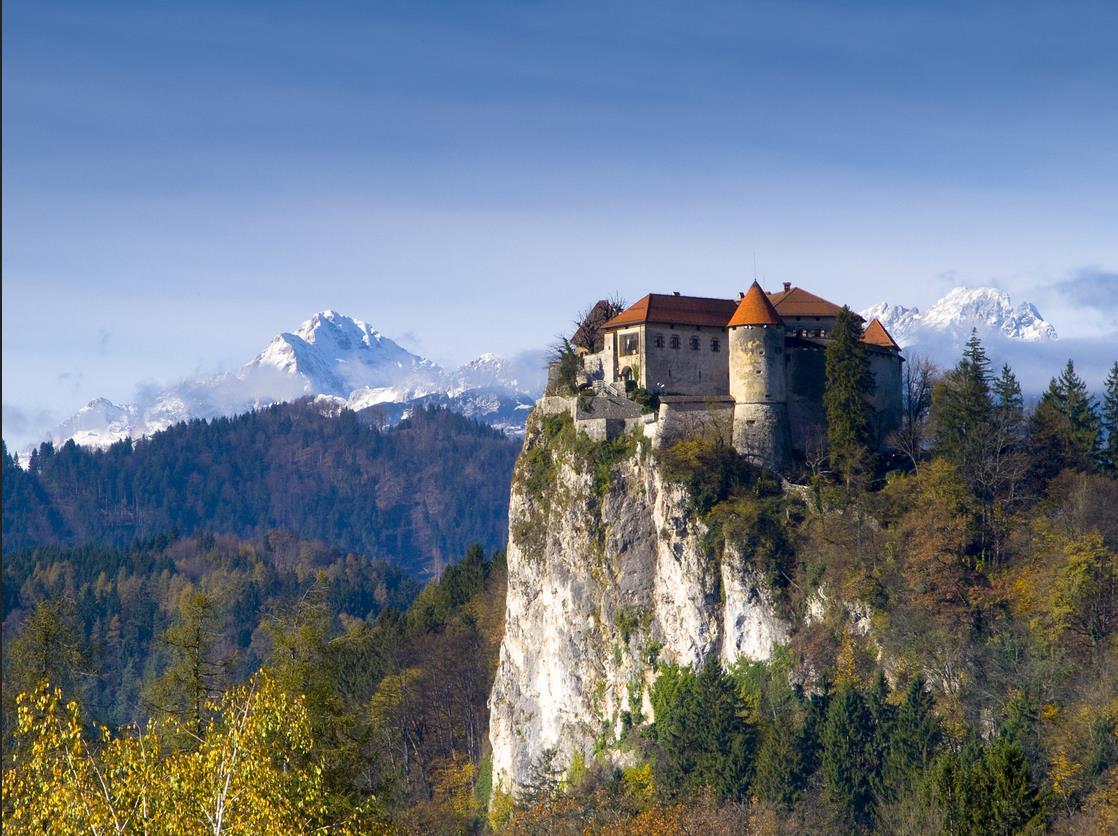
Overlooking Lake Bled in Slovenia, the Bled Castle dates back to the 12th century. A mix of Romanesque and Renaissance-style architecture make it the perfect look back at European design. The castle remains one of Slovenia’s most popular tourist attractions.
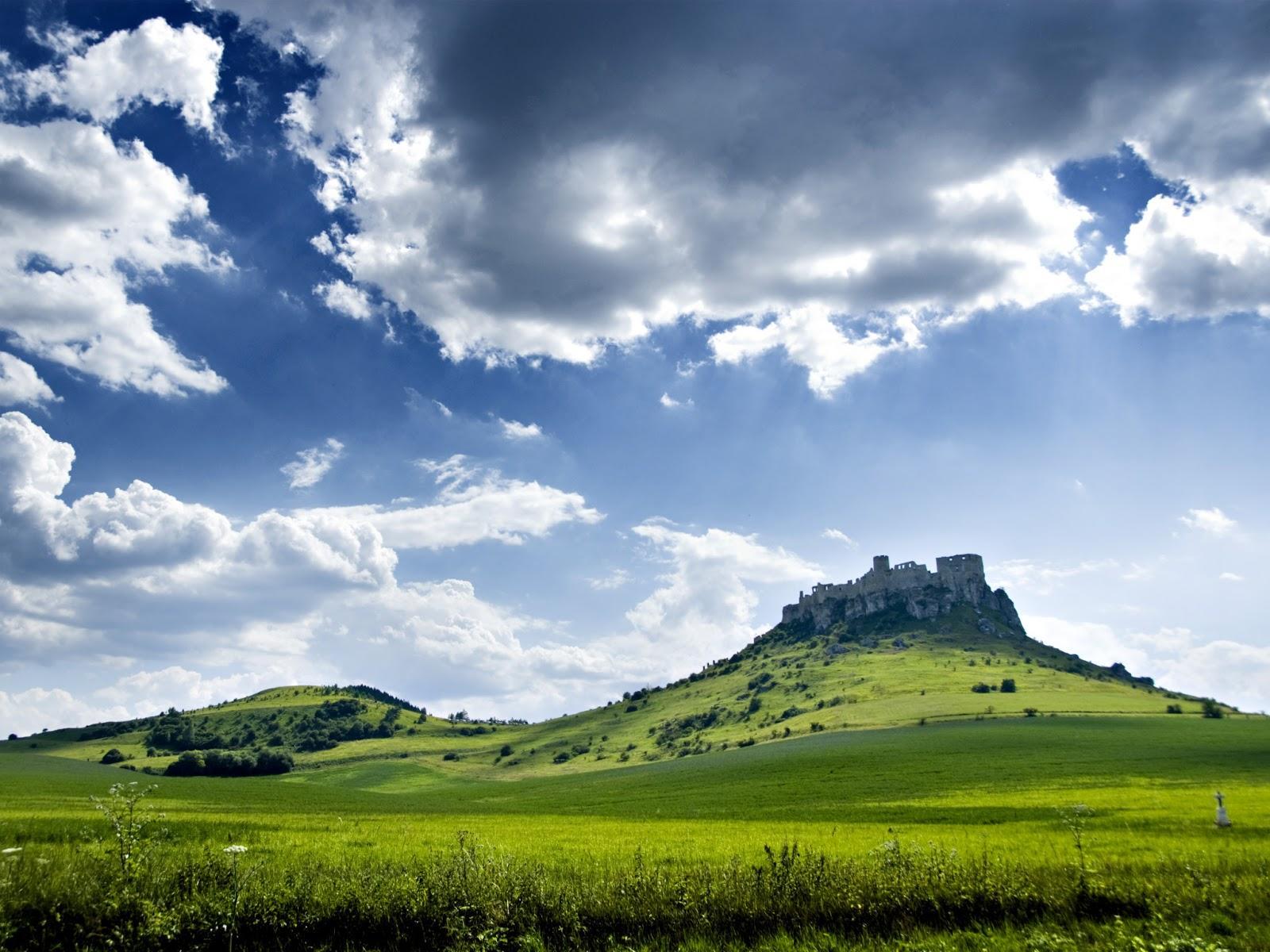
The Spiš Castle in Slovakia is one of the largest castles in all of Europe. The property has been in ruins since it burned down in 1780, but it is still a breathtaking landmark. In fact, the castle has been a popular setting for films, including Dragonheart and The Lion in Winter.
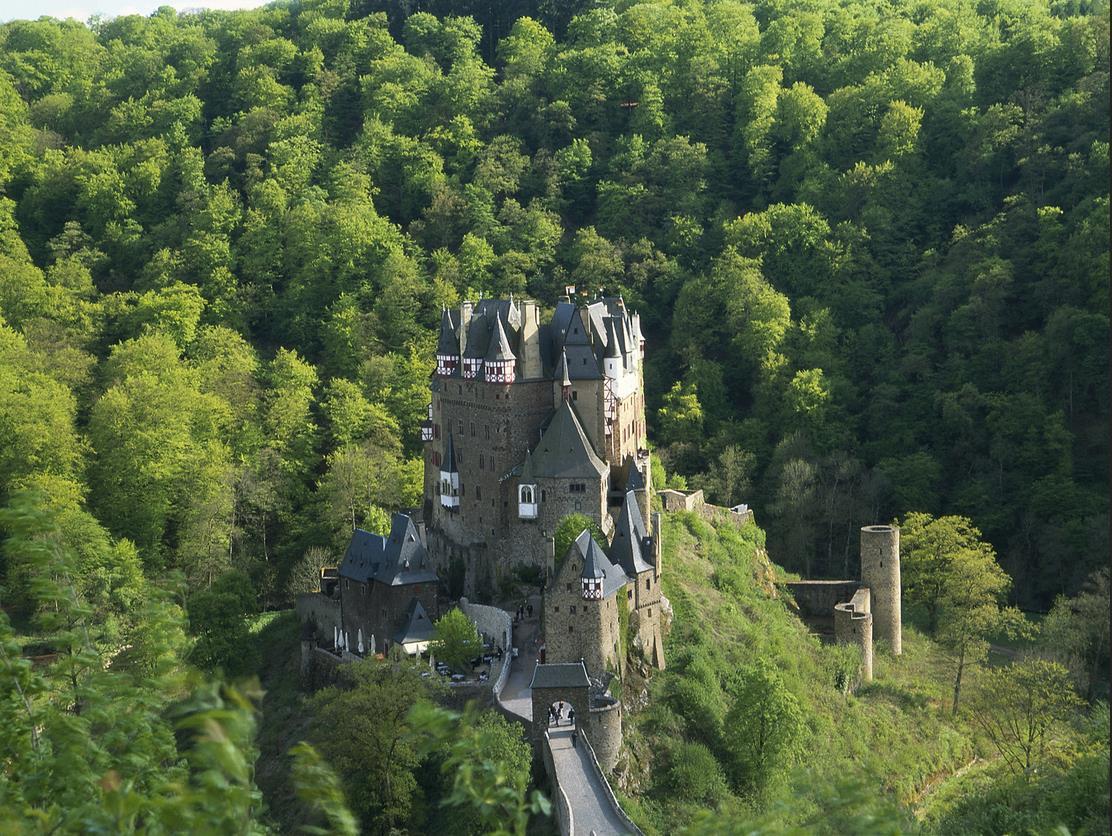
The Eltz Castle in Germany is still owned and used by descendants of the family that called the castle home in the 12th century. Unlike many European castles, the Eltz Castle was never damaged by war. That’s part of what makes a tour of the grounds a true look back at what Eltz Castle was like when it was built.
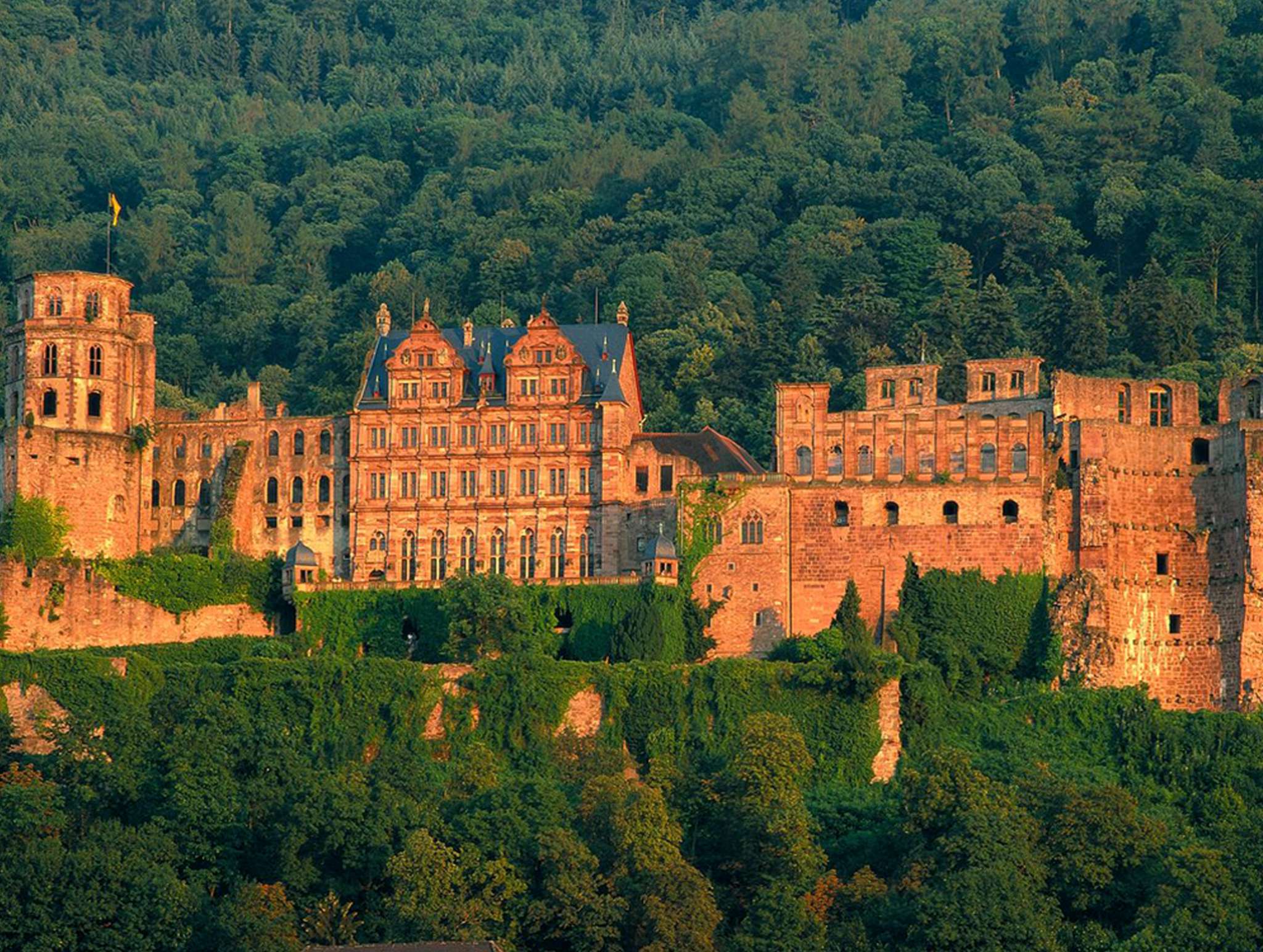
Dating back to the 13th century, the Heidelberg Castle in Germany is an architectural wonder. Fires over the years have caused much of the castle to be in ruins. But the lush vegetation covering the stone walls adds even more natural beauty to the grand Heidelberg Castle.
Atop of European ranges you’ll find marvelous snowcapped peaks.
Europe’s culture is not limited to its numerous art museums and palaces. Some of Europe’s greatest stories can be heard over a glass of wine, beer or other drink within the walls of a pub or finest alcohol outlets off the beaten track.
The therapeutic use of hot springs has been present in Europe from ancient times to the present day, giving birth to a number of spa towns well-known for the beauty of their buildings, or long tradition of welcoming guests and the healing properties of its springs.
Europe’s beaches are rated amongst the world’s best for a variety of reasons: their stunning scenery, their unique nature and their lively entertainment offerings. Here is a selection of some of the most unique spots Europe’s coastline has to offer.
Prepare for wonderful surprises.
Special ideas for every season.
CHECK OUT OUR
LATEST GUIDE
The Designation Mantequilla de Soria covers the production and certification of butter obtained by pasteurizing cream from the milk of Friesian or Pardo-Alpina breeds of cow or cross-breeds between the two, and coming from dairy farms in the province of Soria. Protection covers the three traditional types: natural, salted and sweet.
Culture and recreation make a great vacation.
Croatia’s living museum!