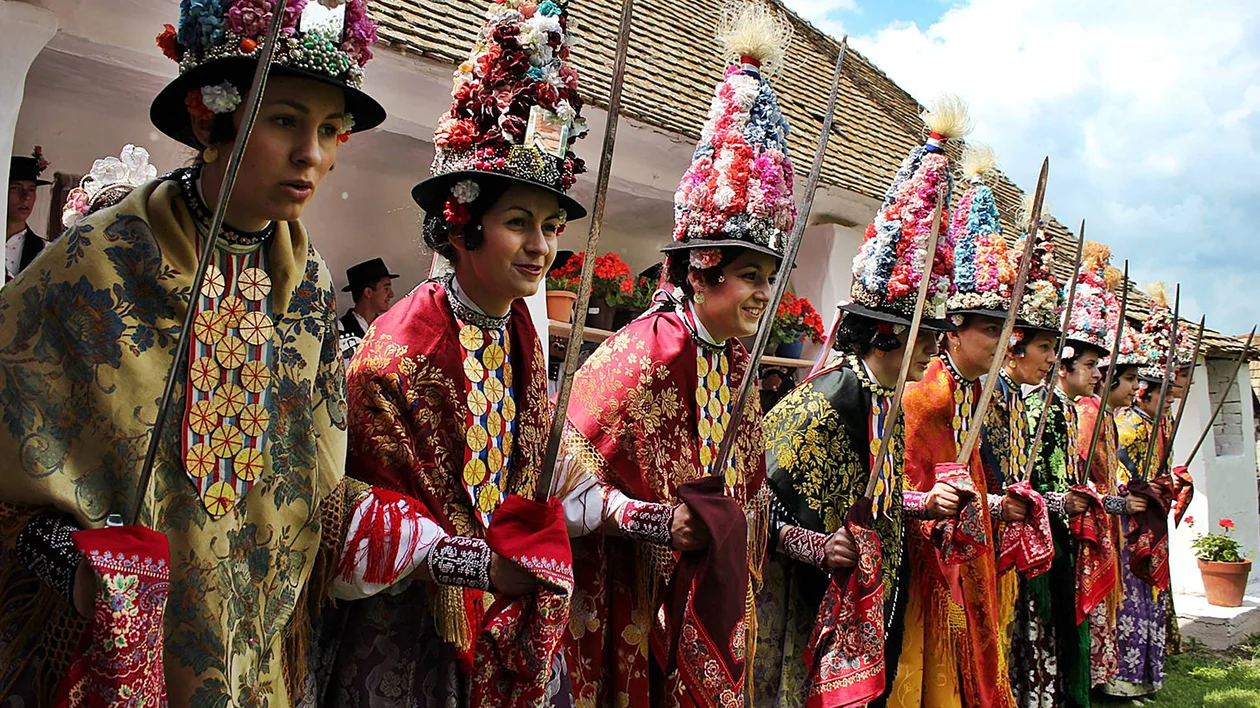
What if one river could take you through thousands of years of European history? Follow the Danube from Germany through Slovakia, Croatia, Serbia and Romania and you'll find Ice Age art, Roman remains, medieval fortresses, Baroque towns and traditions that are still very much alive. The famous landmarks are part of the story, but so are the places you may never have heard of.
Travel back through time
Near the young Danube in Germany, the story reaches back more than 40,000 years. The caves of the Swabian Jura have revealed some of the world's oldest known figurative art and musical instruments. Near Vukovar, the riverside site of Vučedol gave its name to a culture that flourished here some 5,000 years ago and left behind the famous Vučedol Dove. Far downstream in Serbia, Lepenski Vir tells another ancient story of communities whose lives were already closely connected to the river thousands of years ago.
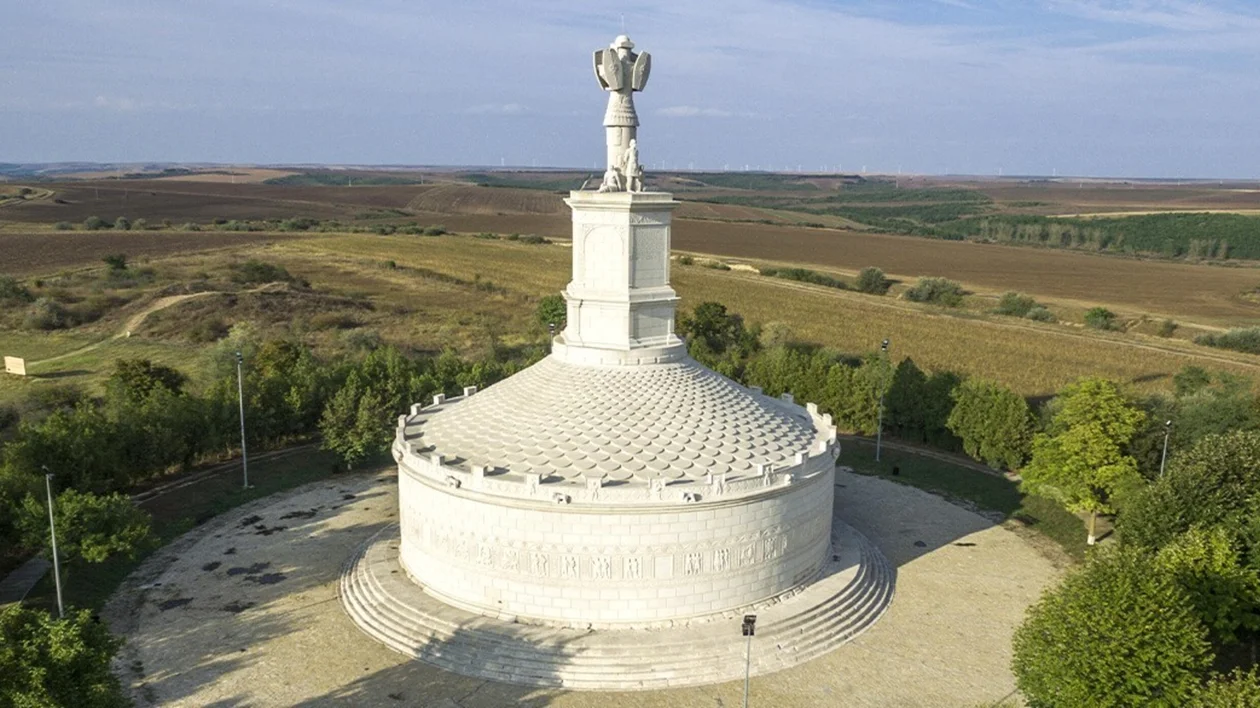
Follow the Danube and you'll discover traces of the Roman Empire all along its banks, from Black Forest to the Black Sea. Once part of the Roman frontier known as the Danube Limes, the river was more than a natural boundary. From Regensburg in Germany and Gerulata near Bratislava to Viminacium in Serbia and Trajan's Bridge, Drobeta Castrum and monumental Tropaeum Traiani in Romania, ancient monuments tell the story of a frontier, transport route and meeting place between worlds.
Follow a River of Fortresses and Cities
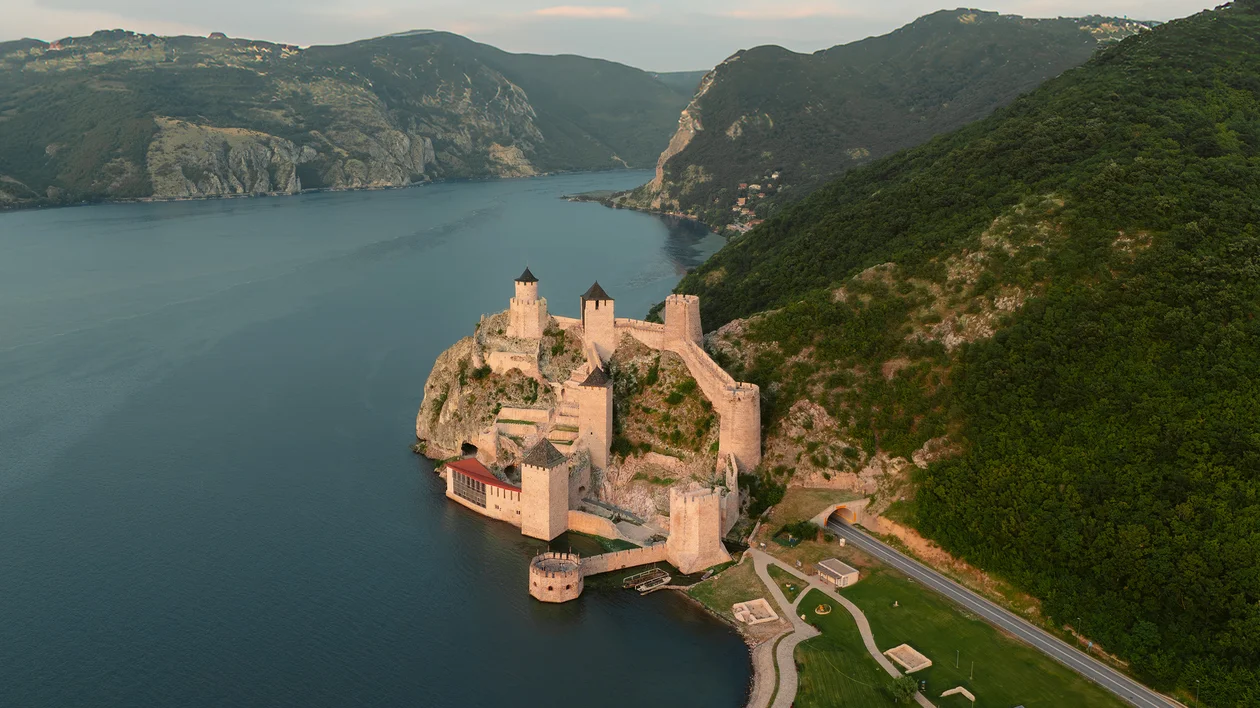
Castles and fortresses seem to follow the river east. Look up at Sigmaringen Castle above Germany's young Danube, explore Bratislava and Devín, pass the medieval walls of Ilok and the hilltop fort at Erdut in Croatia, then continue towards Serbia, where Petrovaradin, Belgrade, Smederevo and Golubac reveal centuries of changing empires and borders.
But don't just collect castles. Wander through medieval Regensburg, Bratislava's courtyards or Baroque Osijek. Stop in smaller places such as Galanta, Bač and Ilok, where manors, churches, wine cellars and old streets reveal a more intimate side of the region. In these places, history feels less like a checklist and more like something you discover by slowing down.
Experience Heritage that Still Lives
The Danube's heritage isn't confined to monuments. Listen for cathedral music in Regensburg or the string music of the tamburica in Slavonia. Discover the multicultural traditions of Bač, stroll Vukovar's Baroque centre and riverside promenade or find a historic water mill beside Slovakia's Little Danube.
Even beyond familiar Danube names such as Vienna and Budapest, the river keeps revealing another story around each bend. Follow it through five countries, choose the chapters that speak to you - or keep going. Along the Danube, crossing a border rarely means the story ends.