

How many different landscapes can one river create? Follow the Danube east and find out. It begins among hills and limestone cliffs, disappears underground, returns to wind through forests and wetlands, squeezes between mountains and finally spreads into a maze of channels on its way to the Black Sea. Hike, paddle, cycle or simply stop and watch the river change – and the adventure change with it.
Start where the River is Young
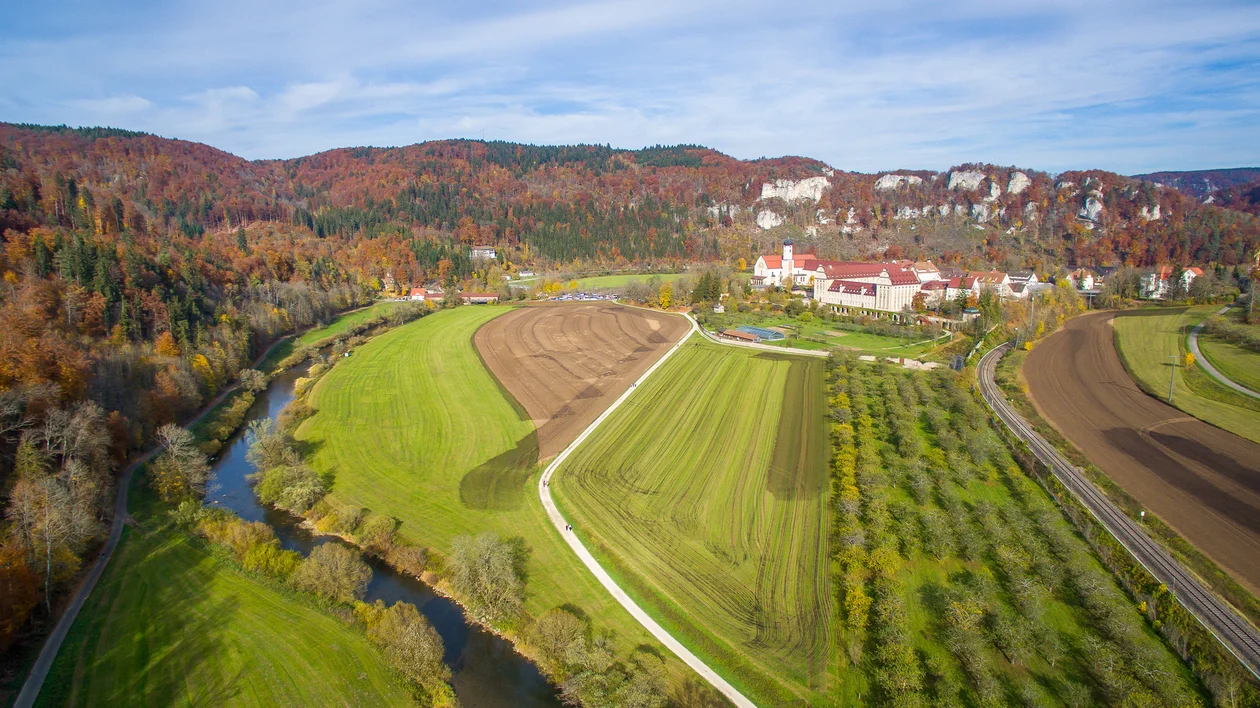
In Germany, begin at the Danube's traditional source in Donaueschingen and follow a river still small enough to feel part of the surrounding countryside. Hike the limestone landscapes around Beuron, watch the Danube disappear underground near Immendingen or paddle beneath cliffs and castles on the Upper Danube. Farther east, the Danube Gorge near Weltenburg offers another perspective from the water.
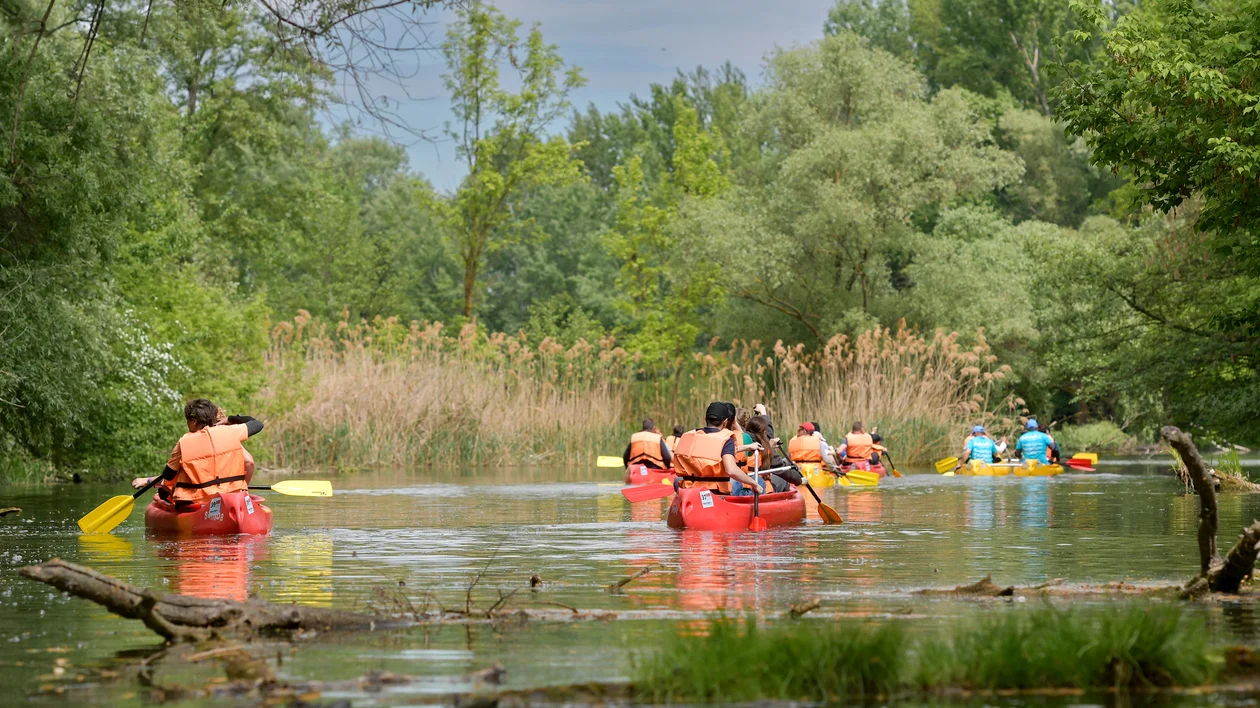
Further downstream, beyond Austria, nature and city life meet in Slovakia. Walk from Bratislava towards the forests and viewpoints of Devínska Kobyla, then trade hiking boots for a paddle on the Little Danube. Around Vojka, a maze of side channels, islands and floodplain forest creates an inland-delta landscape just downstream from the capital.
Slow Down in the wetlands
The middle Danube belongs to water and wildlife. In Croatia, explore Kopački Rit Nature Park, a Ramsar wetland within the five-country Mura-Drava-Danube UNESCO Biosphere Reserve, where the Danube and Drava create a constantly changing world of reed beds, lakes, channels and floodplain forest. Watch for birds, paddle the Danube, Drava or slower Bosut, then head into the Spačva basin, one of Europe’s largest lowland oak forests.
Cross into Serbia and the wetlands continue. Around Bezdan and Apatin, the Upper Danube Reserve forms part of a much larger river ecosystem shared across national borders. Near Novi Sad, Kovilj-Petrovaradin offers quiet backwaters, while Fruška Gora rises above the plains with forests, vineyards and hiking trails.
Watch the landscape turn dramatic
Farther downstream, the Danube changes character again. At Đerdap, hike above the Iron Gate as the river passes between Serbia and Romania, with forested slopes and cliffs rising on both sides. This is where geology, wildlife and thousands of years of human history share the same landscape.
Continue through Romania, where the river emerges from the gorges into islands and broad wetlands. Explore the Brăila Wetland Nature Park, hike the ancient Măcin Mountains, then reach the Danube Delta, where channels, lakes, reed beds, forests and villages form the river's remarkable final landscape before the Black Sea.
You don't need to conquer the Danube to experience its wild side. Choose a trail, launch a kayak, bring binoculars or spend a morning beside the water. Then follow the river a little farther - the landscape may be completely different around the next bend.


