In Serbia, food is truly something to discover. Start at the heart of everyday life, the bustling markets across the country. From Belgrade to Novi Sad, Niš, and smaller regional centers, green markets are a long-standing tradition where locals gather each morning to buy fresh produce, dairy, and homemade specialties.
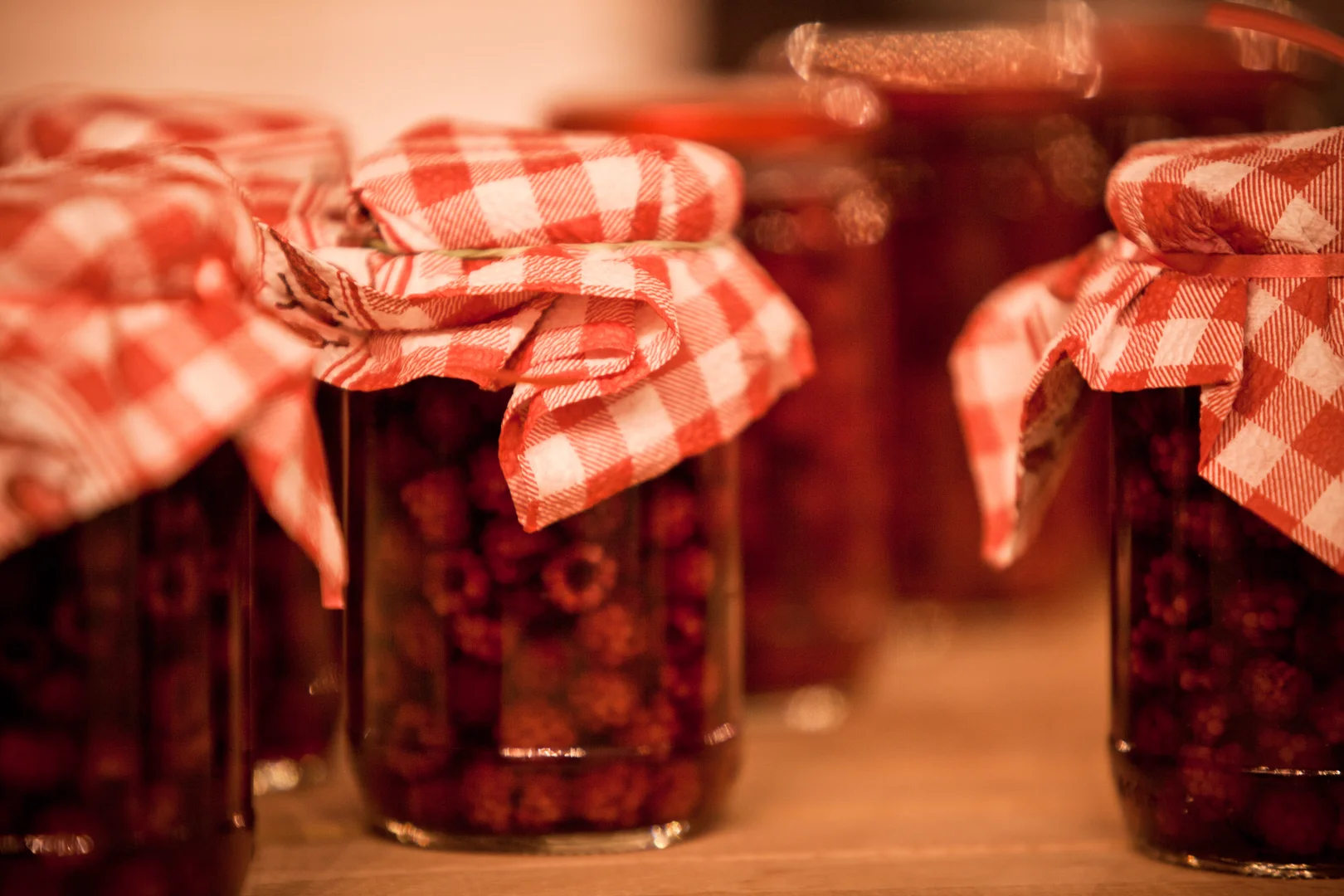
More than just shopping places, markets are vibrant cultural hubs. Farmers arrive, bringing seasonal fruits and vegetables, artisanal cheeses, cured meats, and jars of ajvar (honey). Stalls overflow with local flavors and chats between vendors and customers create a social ritual. The connection between producer and plate is immediate and authentic. Taste a slice of cheese, hear the story behind it, and you’ll quickly understand that your Serbian culinary experience truly begins here.
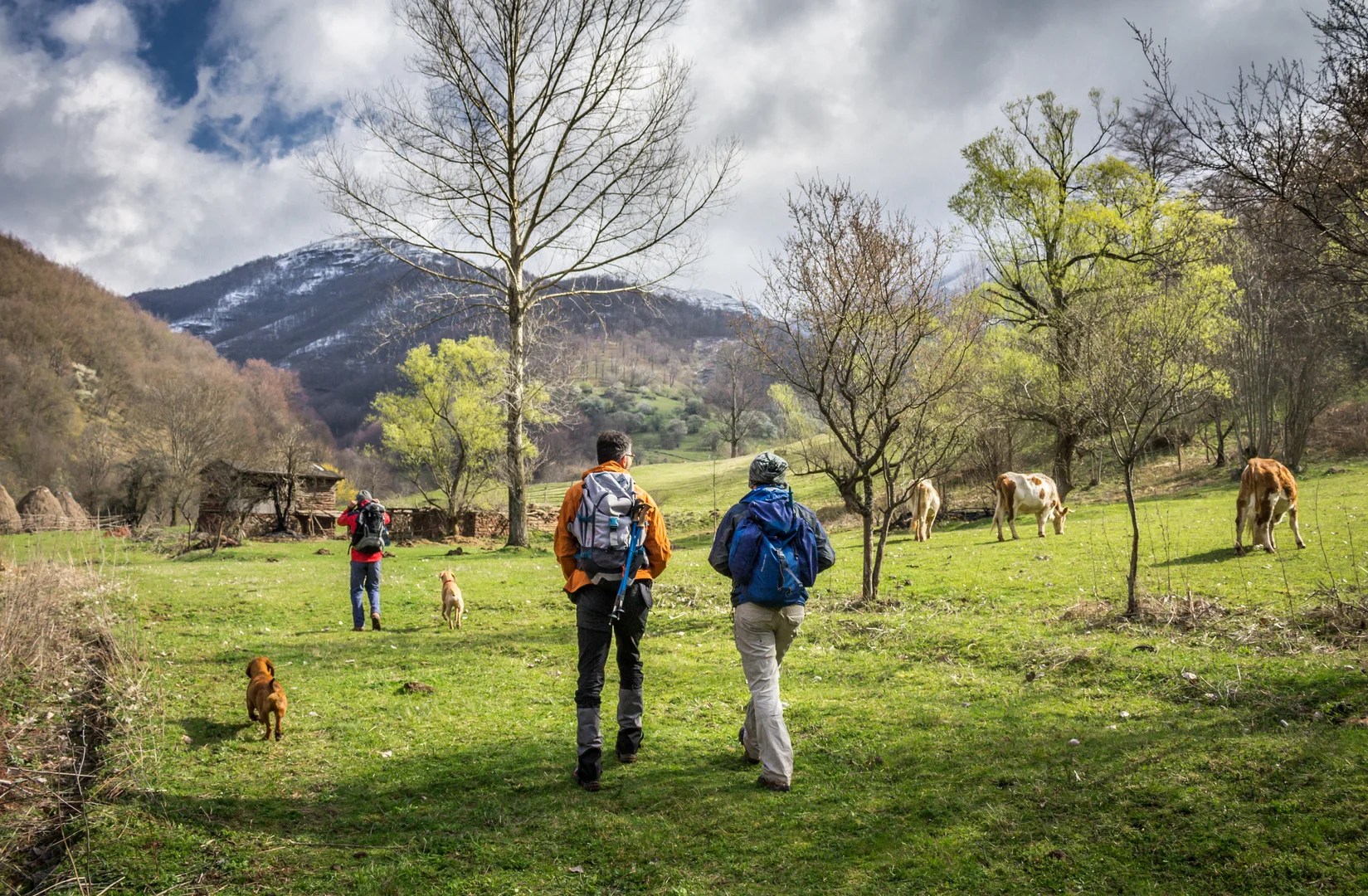
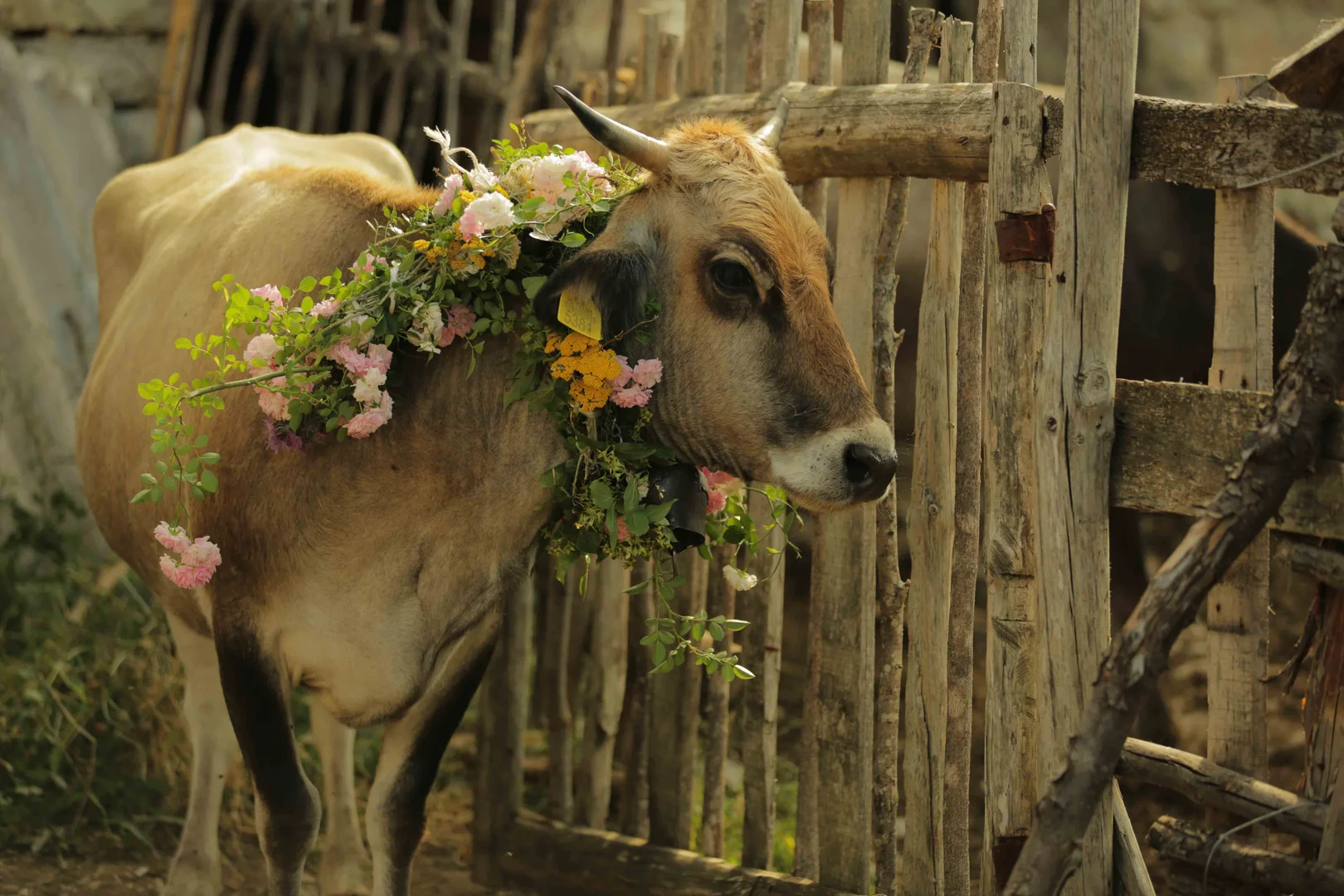
Traveling beyond urban rhythms, Serbia reveals a different pace defined by nature, simplicity, and authentic human connection. Across the country, rural households, small farms, and emerging camping sites are opening to travelers searching for something more genuine. These aren’t fancy resorts, but lived-in landscapes where food grows, seasons matter, and meals are shaped by the morning’s harvest.
In Camping Viljamovka near Kremna, you’ll find yourself staying in a pear orchard on the slopes of Tara mountain, where homemade rakija and locally produced foods are everyday fare. Similar small-scale camps and rural sites along rivers, near lakes, and in forest clearings also offer experiences blending nature, local dishes, and hospitality. Serbia’s Camping Association lets you find camps in orchards, pastures, on riverbanks, and other rural landscapes that connect visitors and the environment, often run by local families.
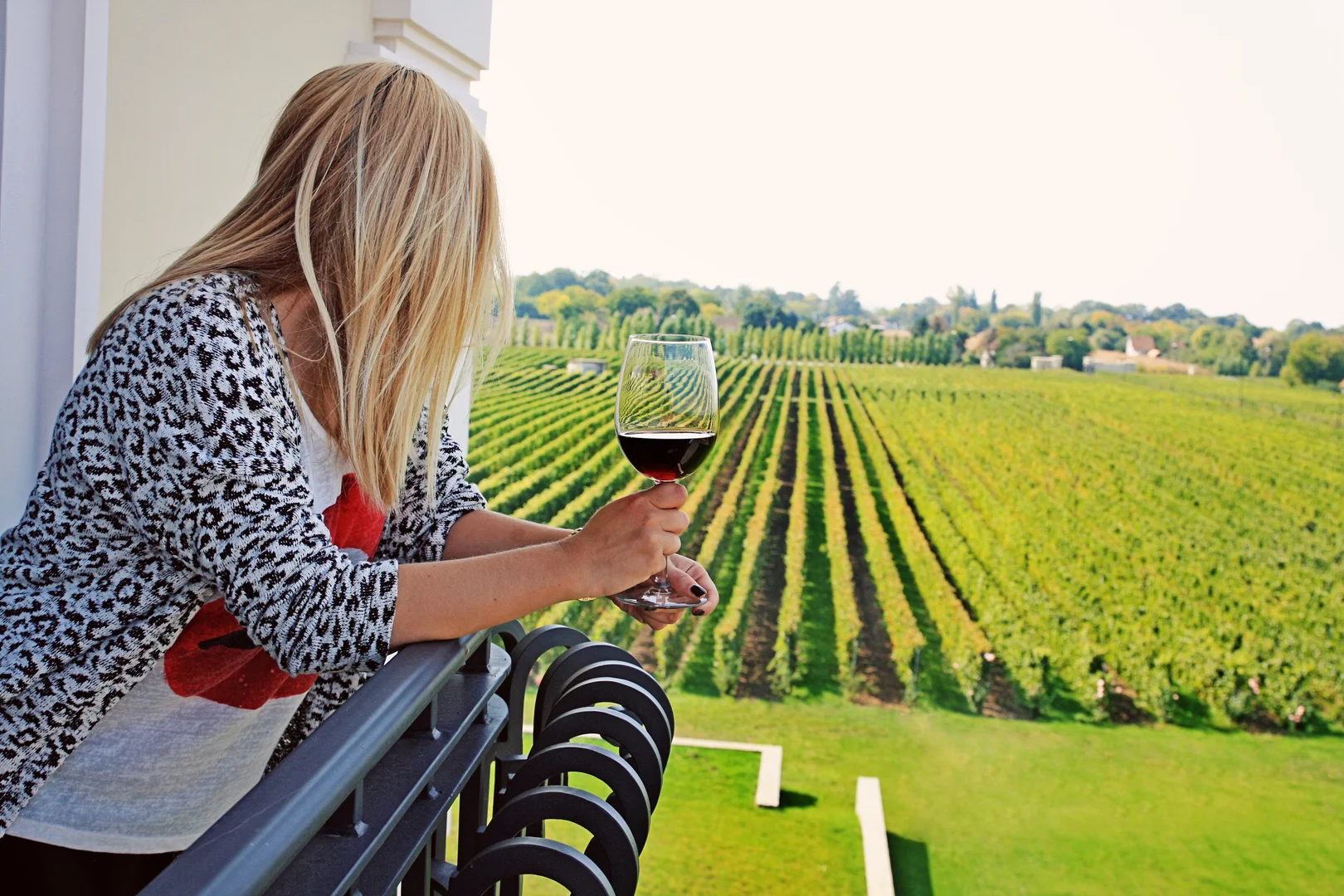
If you seek a deeper culinary journey, Serbia’s wine routes are an elegant continuation. In central Serbia-Šumadija, rolling hills dotted with vineyards around Topola and Oplenac offer tastings that combine tradition with a new wave of Serbian winemaking. In the north, Fruška Gora, with its monasteries and fertile slopes, find small wineries where wine, local produce, and regional recipes come together in intimate settings. Eastern Serbia’s wine regions, such as Negotinska Karajina, where the Rajac pimnice are located, reveal another layer of diversity, where landscapes and flavors shift with every kilometer.
Serbia’s indigenous grape varieties make the journey even more distinctive. Tamjanika, an aromatic white wine with floral and muscat-like notes, reflects the warmth and sunlight of southern vineyards, while Prokupac, an ancient red variety, expresses the depth of the Serbian terroir with vibrant fruit and an earthy character. Together, they represent not only wine, but a local, authentic, rediscovered identity rooted in tradition.
Whether enjoyed in a rural household, a vineyard terrace, or a small countryside camp, food in Serbia always reflects its surroundings. Here, you don’t choose the menu — the destination chooses it for you.