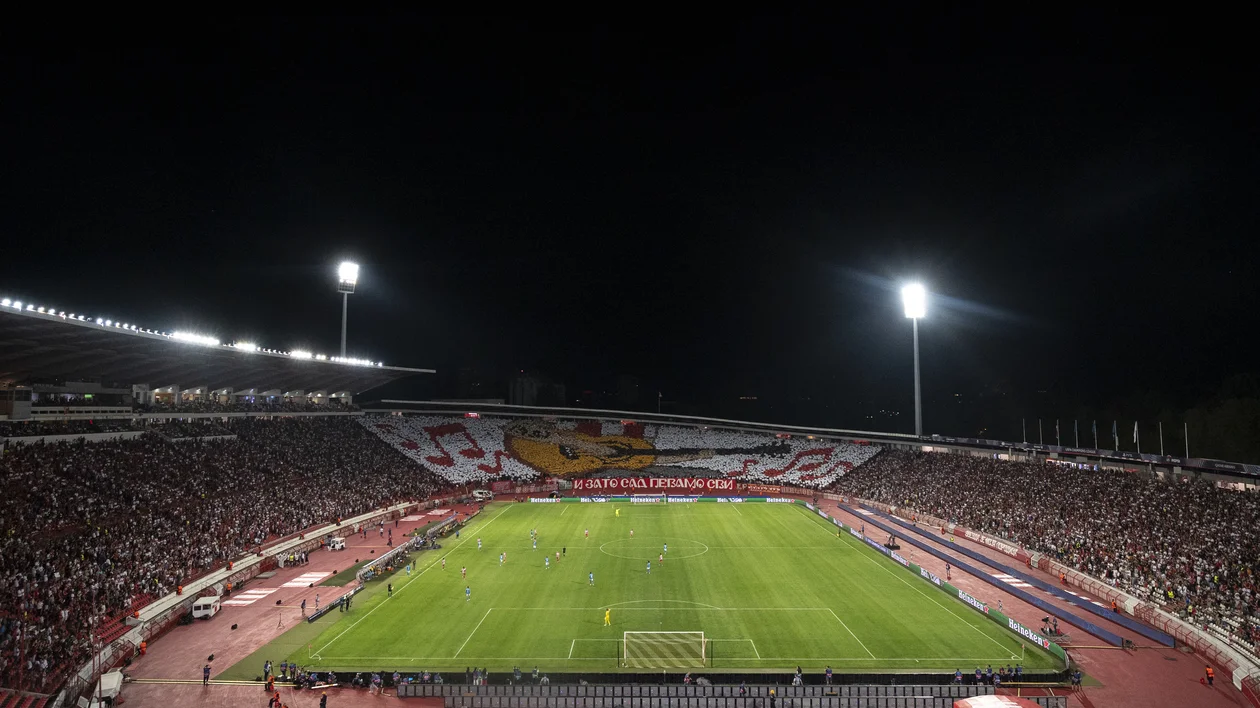
In Belgrade, football is more than a game — it’s identity, history, and everyday life. To truly understand this, look beyond the city’s major landmarks and explore the world of Red Star and Partizan, the capital’s two legendary and fiercely opposed clubs. This perspective reveals the emotional core of Serbian football, where stadiums, neighborhoods, and local stories combine to create a powerful sense of belonging.
Loyalty divides a city
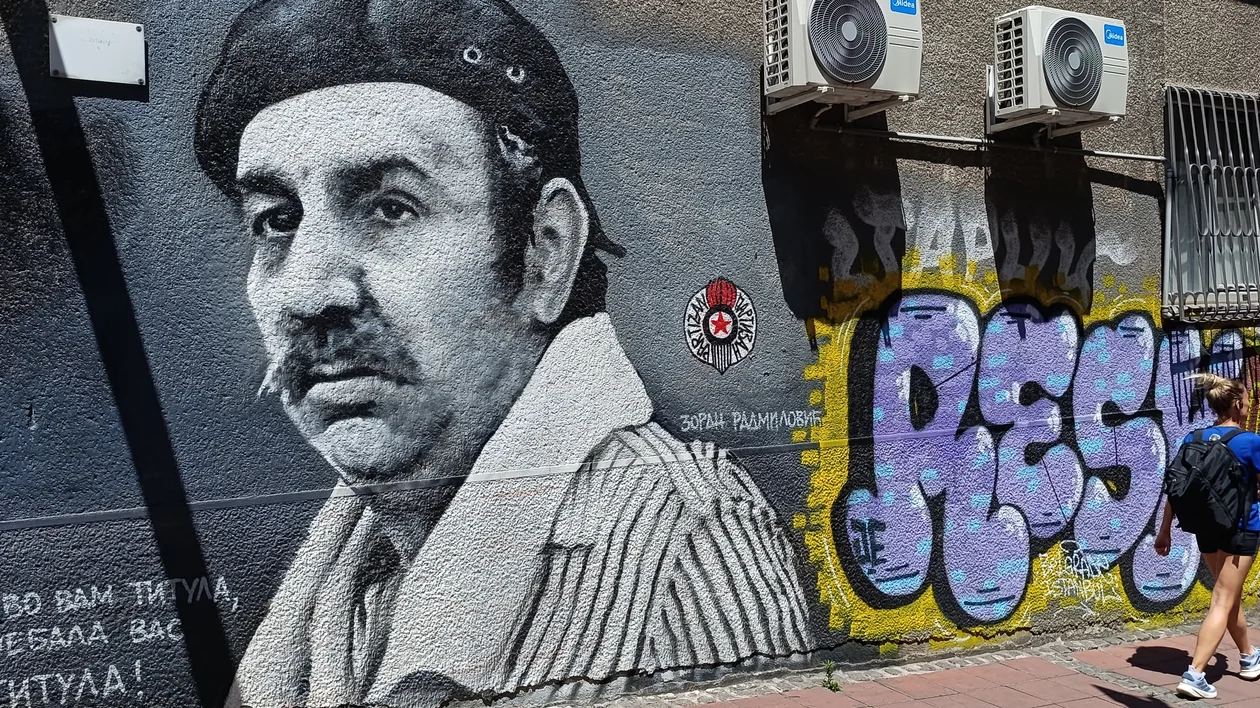
In Belgrade, entire neighborhoods reflect the city’s football divide. Dorćol, closely linked to Partizan supporters, is filled with graffiti and murals expressing decades of loyalty. A short distance away, Senjak stands as a stronghold of Red Star fans, where even the oldest artwork is carefully preserved.
Walking through these areas, it becomes clear that football culture lives far beyond the stadium; it shapes the streets, the art, and everyday life. Adding to this character, the two rival stadiums are located just one kilometer apart (around 0.6 miles), only a 15-minute walk — a proximity that intensifies one of the most famous football rivalries in the world.
The eternal derby
To understand this passion, go back to 1945, when both clubs were founded in post-war Belgrade. From the start, Partizan and Red Star represented different institutional and social identities, shaping a rivalry that would become known as the “Eternal Derby”. Today, it is considered one of Europe’s most intense football clashes. More than a match, it reflects pride, tradition, and belonging, deeply woven into the identity of the city and its people.
The heart of Serbian football
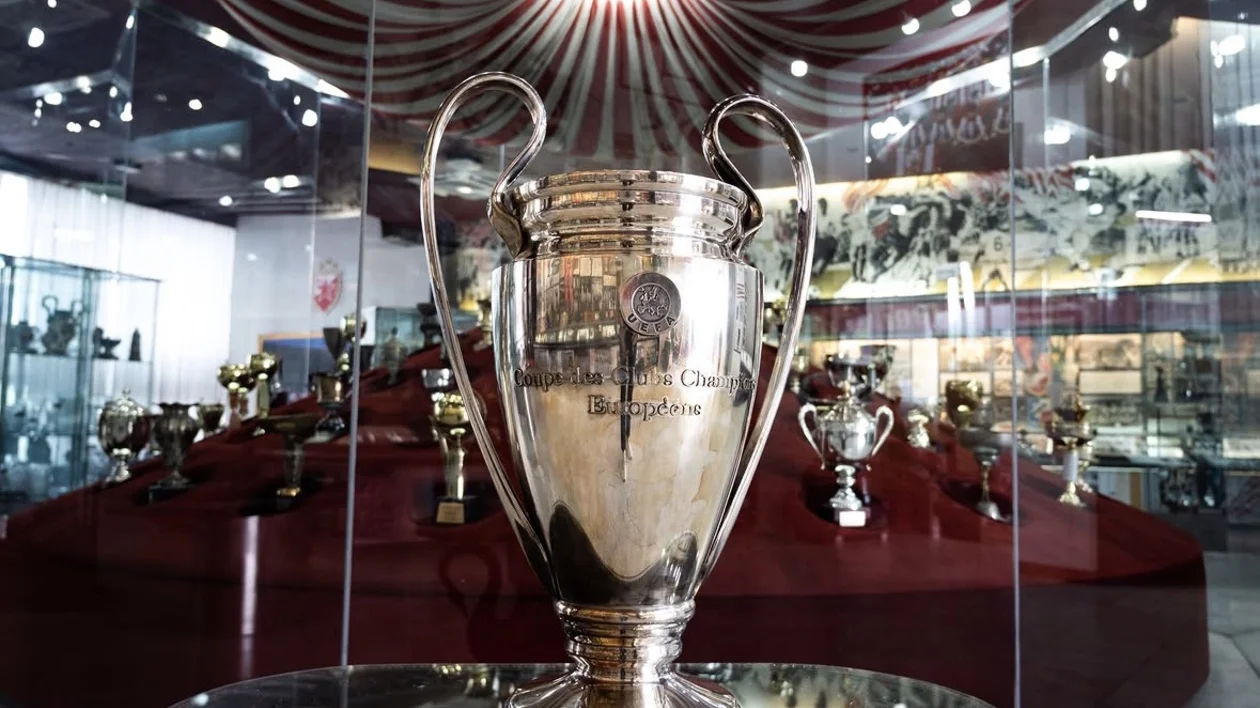
At Red Star’s Rajko Mitić Stadium, locally known as Marakana, history comes alive at the club’s museum, featuring over 1,400 trophies, photographs, and artifacts. Among the most important are the European Cup and the Intercontinental Cup won in Tokyo in 1991.
A particularly symbolic addition to the collection is the official FIFA Club World Champions trophy, awarded to Red Star in 2019 after FIFA recognized Intercontinental Cup winners as world champions.
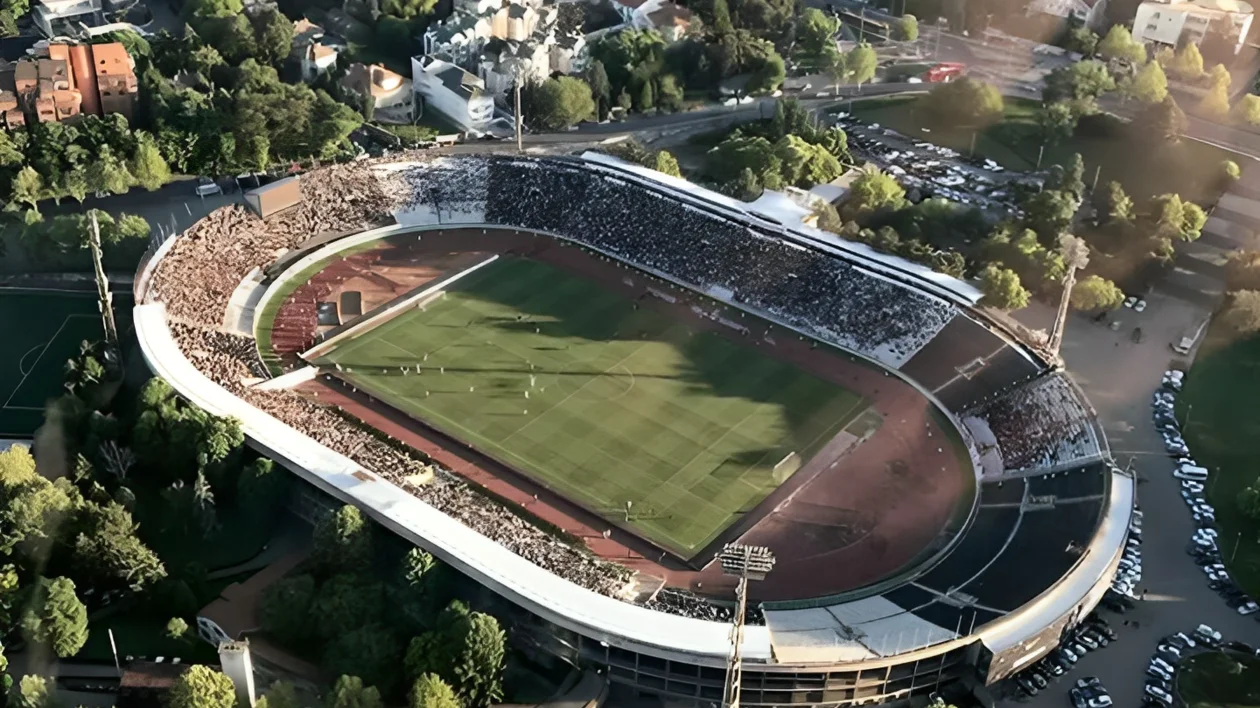
Just a short walk away, Partizan’s stadium in Humska Street offers a different but equally authentic perspective, often described as one of Europe’s last truly traditional football venues. Its trophy room displays over 400 exhibits that testify to the club’s cherished history and achievements, adding another layer to the story of Belgrade’s football legacy.
Understanding Belgrade
Partizan and Red Star are more than clubs — they are symbols of identity, shaped by passionate communities whose influence extends far beyond matchday.
For football fans, this is a gateway into one of Europe’s most iconic rivalries. For others, it offers a deeper understanding of Belgrade, a city where sport, history, and identity are inseparably connected.
Through its neighborhoods, stadiums, and stories, Serbia’s capital reveals itself as vibrant, emotional, and unforgettable — a place where football is truly lived.