At a certain moment in summer, north of Belgrade, the landscape turns into an endless canvas of gold. The train glides quietly between fields of wheat and sunflowers, and you feel that life is slower here. Vojvodina doesn’t hurry; it invites you to pause and take a breath.
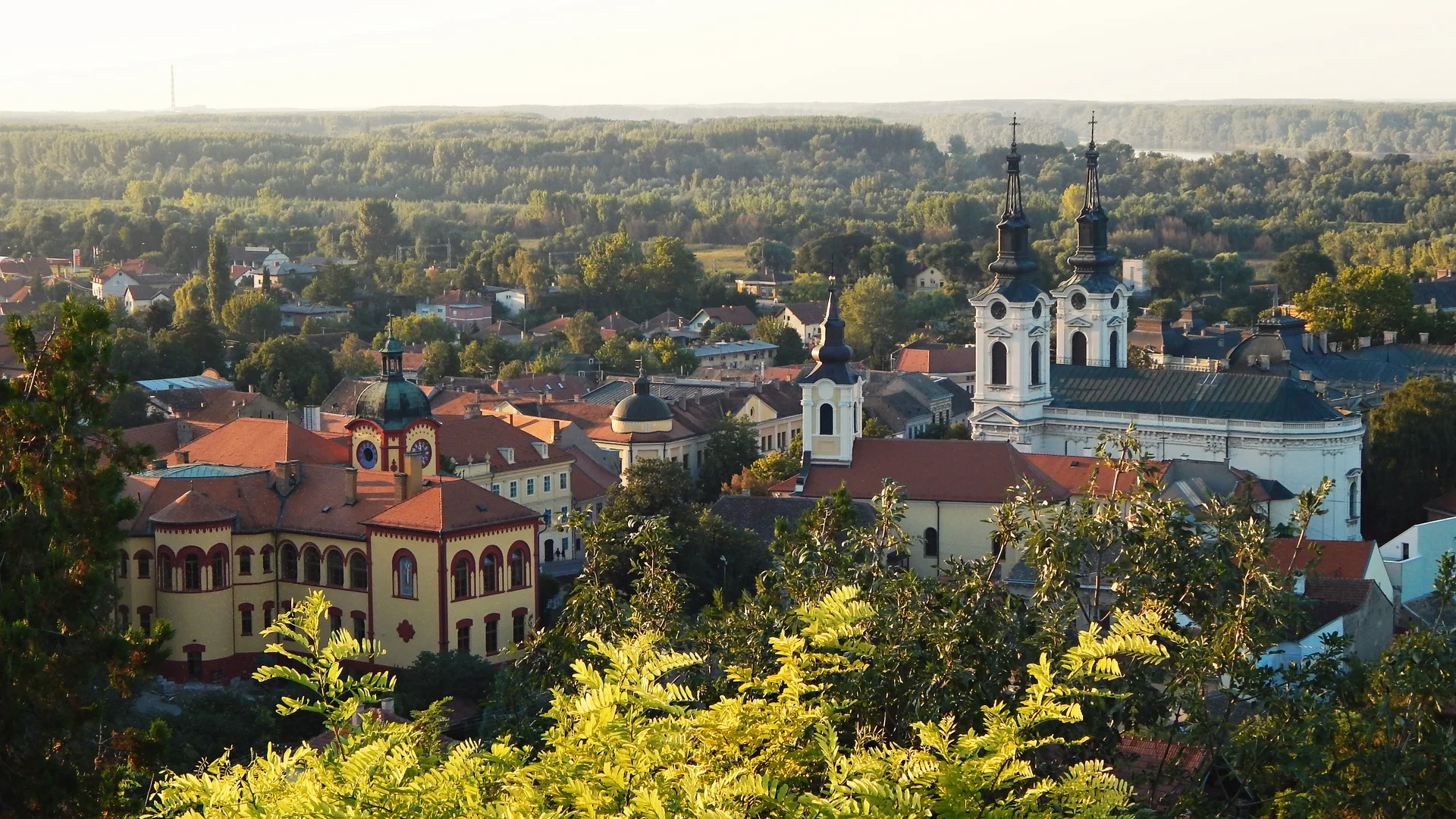
Begin your journey by the Danube, in Novi Sad, Serbia’s second-largest city. From the Petrovaradin Fortress, the wide, calm river draws your eye to the plains. As you walk through Danube Park notice the lovely scent of the linden trees. Lunch at a nearby čarda (a traditional riverside restaurant) offers a perfect introduction to Vojvodina cuisine — fish stew, grilled carp, and a glass of chilled white wine. Perfect for an easy, relaxed summer day.
Not far away lies Sremski Karlovci, with baroque scenery that looks like an old European postcard. In the main square find the Four Lions Fountain, surrounded by notable buildings, pastry shops serving šnenokle, and tradition-rich wine cellars. Bermet, a local wine that once reached imperial tables, is best enjoyed in a quiet old cellar while the host shares stories of other wines and visitors.
The journey continues to Irig, nestled between the gentle slopes of Fruška Gora National Park. The winery terraces offer views of endless vineyards; in summer they’re especially inviting with light rosé wines meant to be sipped slowly. For something extra-special, visit one of the 16 Fruška Gora monasteries, such as Krušedol or Grgeteg, whose cool stone walls offer a welcome escape from the summer sun.
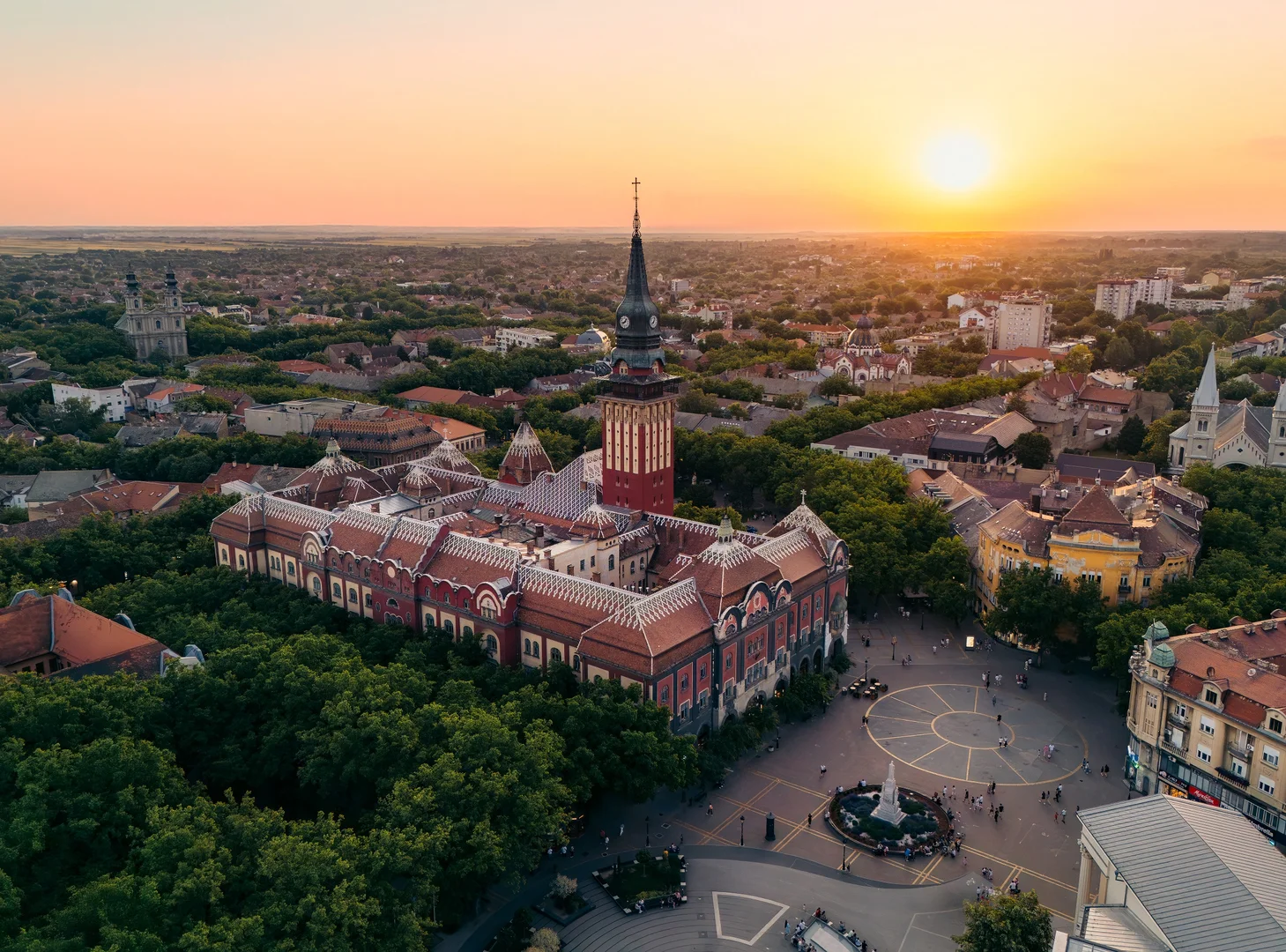
The trip continues northward by train across the plains. From your window, see rolling wheat fields, solitary church towers, and long rows of poplars. In July, entire horizons of sunflowers turn toward the sun, creating a scene that you’ll remember as one of the most beautiful images of a Vojvodina summer. Subotica welcomes visitors with pastel-colored Art Nouveau facades. The City Hall shines in vibrant colors, while the synagogue — one of the most beautiful in the region — shows a captivating play of light across its stained glass. An afternoon walk through Palić Park brings back the spirit of the fashionable old resorts where ladies and gentlemen once spent their summers.
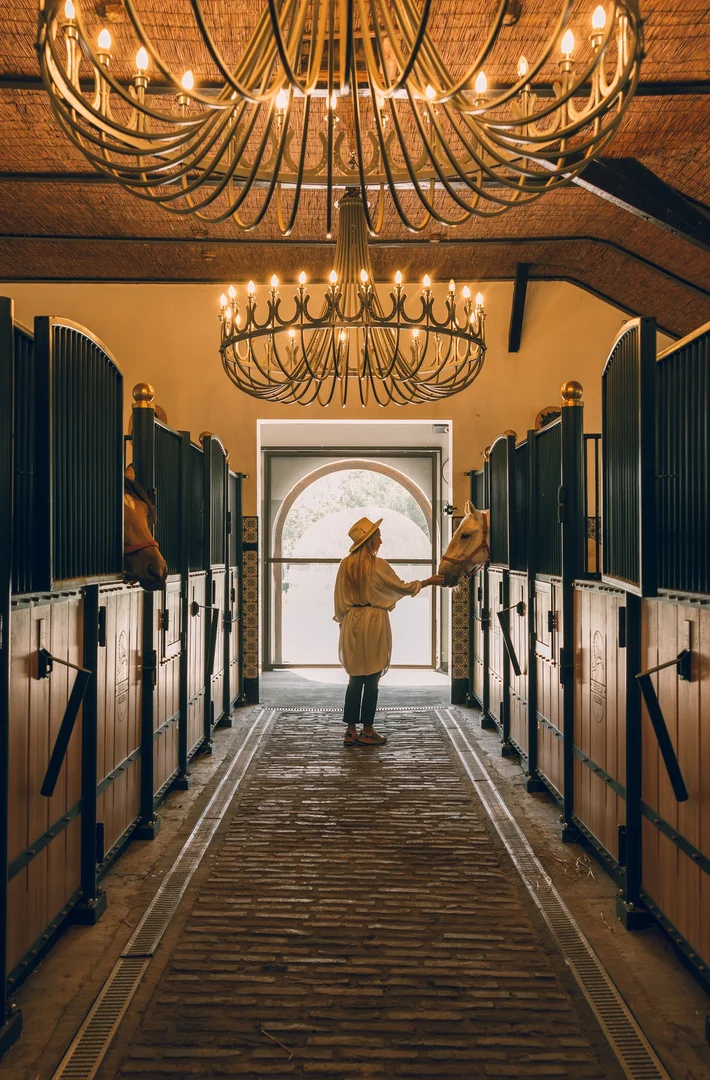
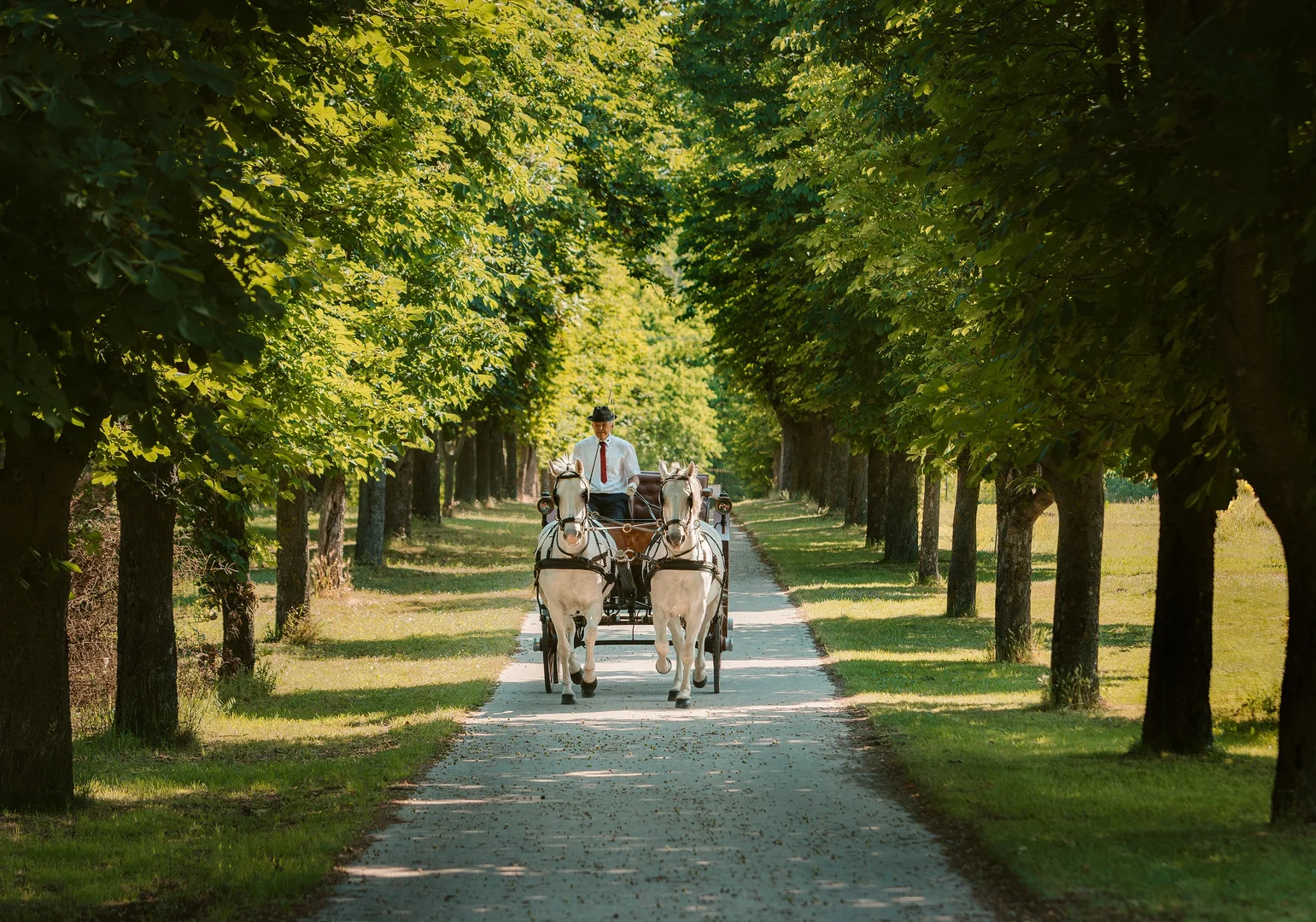
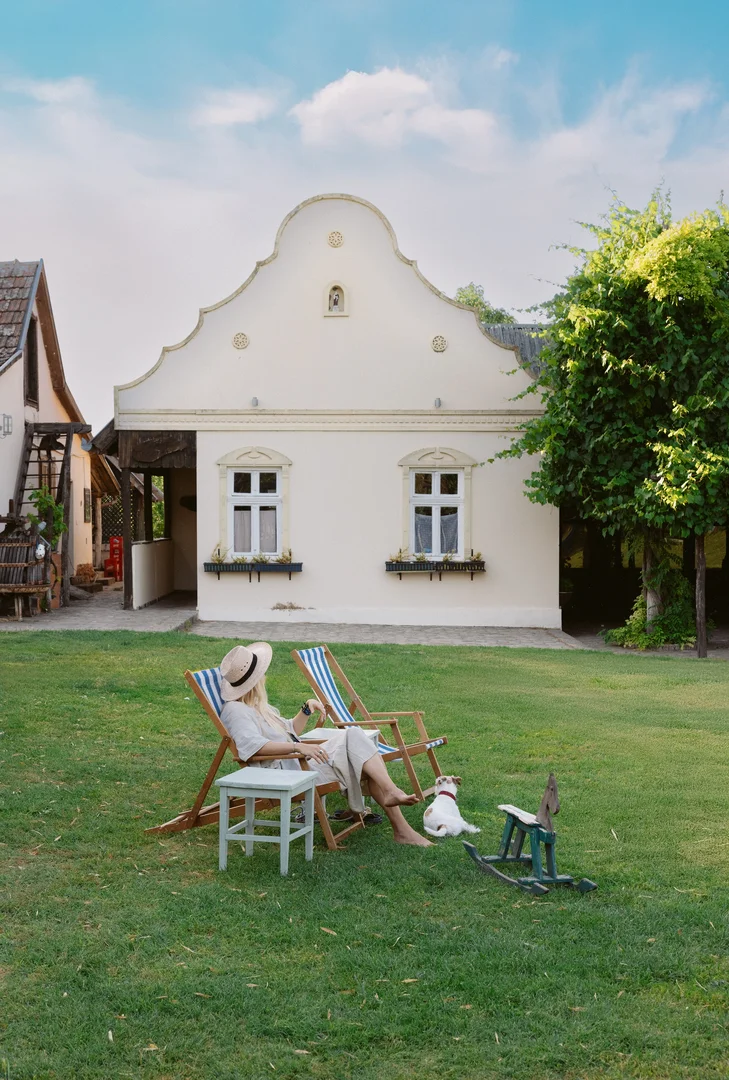
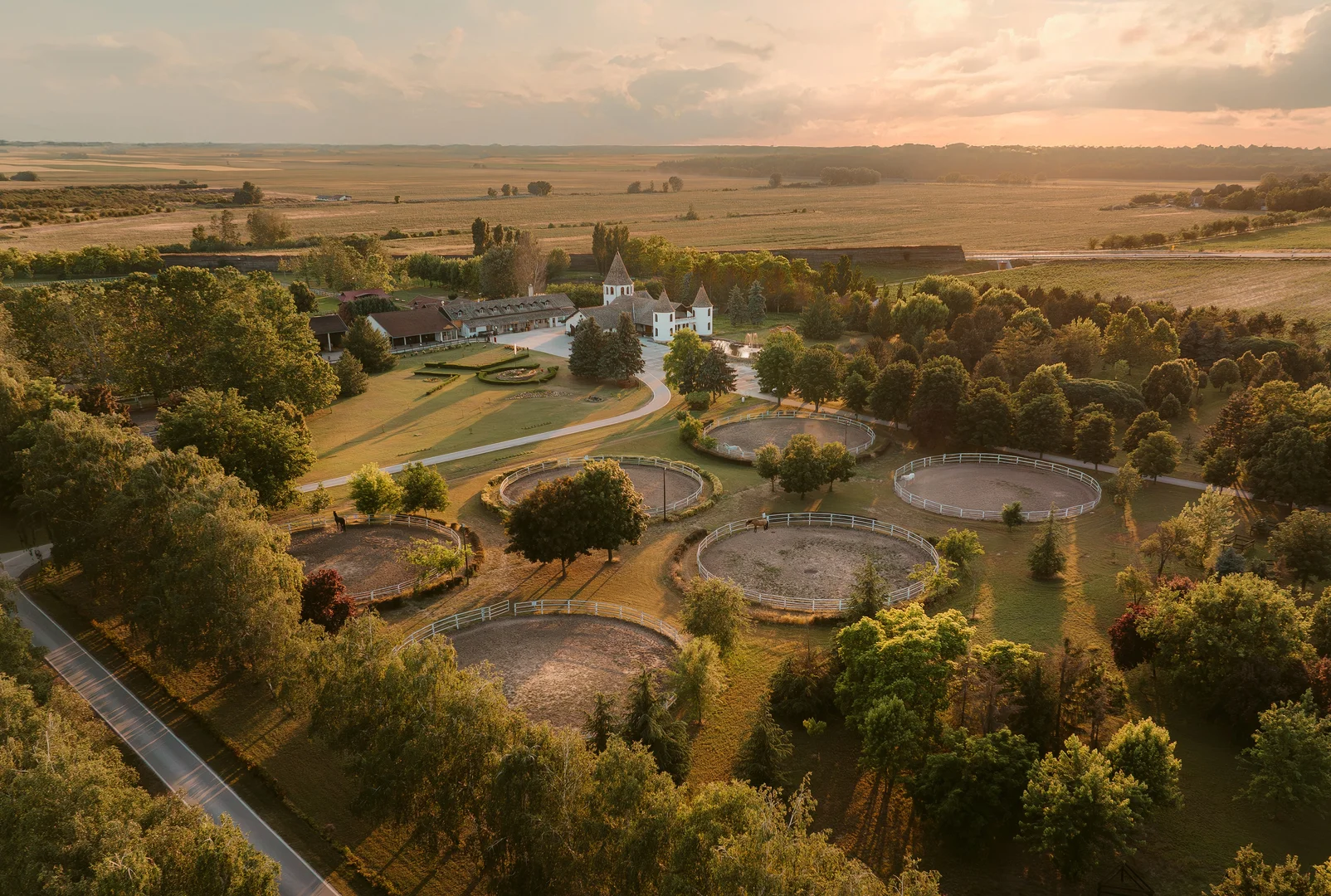
Arriving at a Salaš (traditional farmstead), you’ll see why Vojvodina has its unique rhythm. Morning begins with freshly baked bread, local honey, cheese that smells of meadow grass, and coffee made in a traditional Džezva. Everything is simple, yet soulful. Near Subotica are the Kelebija Stables, where visitors can ride horseback across vast, quiet plains. Beneath a wide sky and in a gentle breeze, this experience offers a lingering sense of freedom.
In the evening, when lanterns are lit on the porch of a Salaš and the plain fills with the sound of crickets, you’ll feel as if you’ve have stepped into the quietest, most beautiful side of summer. In Vojvodina, summer does not pass quickly — it is remembered slowly, through images, scents, and quiet moments.