The European Greenways Association (EGWA) was established in 1998 in Namur (Belgium) with the aim of promoting the creation and development of greenways across Europe. Today, it brings together nearly 50 organisations from 17 European countries involved in greenway development.
Imagine traveling along peaceful cycling and walking routes that link historic towns, countryside, former train stations and heritage sites. Discover how former railway infrastructure has been reimagined to support active mobility, ecotourism, healthier lifestyles, and a low-carbon future. We invite you to discover greenways in Belgium and Luxembourg!
Wallonian GreenWays
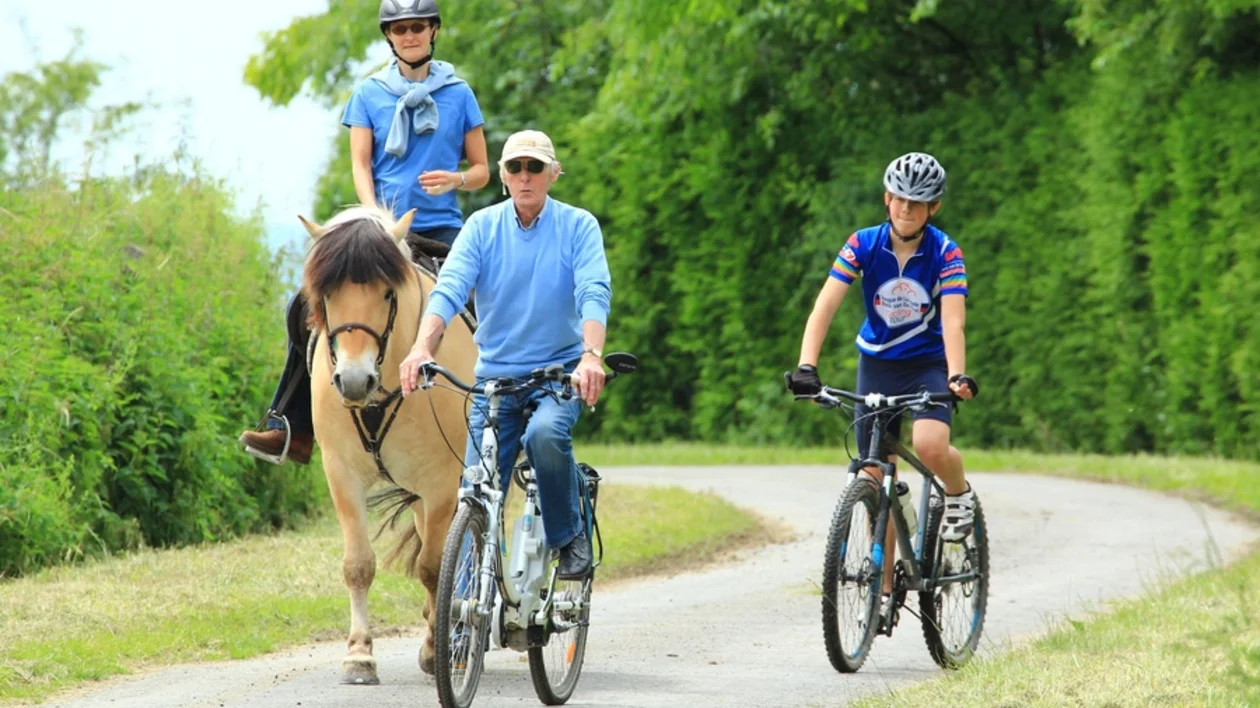
Born from the transformation of former railway corridors, Wallonia’s greenways have become one of Europe’s most inspiring examples of sustainable mobility and regional regeneration. Following the decline of the coal and steel industries, visionary advocates such as Gilbert Perrin helped preserve disused rail lines and convert them into the renowned RAVeL network (Réseau Autonome des Voies Lentes), a cycling, walking, and horseback riding network built on disused industrial railway lines.
The RAVeL Line 38 is one of the oldest and most iconic sections of the RAVeL network, connecting the Three Borders area between Belgium, the Netherlands, and Germany with the city of Liège. Together with Line 39, these 50 kilometers of greenways take visitors through the scenic landscapes of the Pays de Herve, known for its rolling countryside, hedgerows, and open green views, offering a peaceful and picturesque rural experience.
Hop onto RAVeL Line 150 from Houyet to Jemelle in the province of Namur — a 21.5-kilometer, family-friendly greenway following the beautiful Lesse River valley. The route crosses the river several times and passes through striking scenery, including the 400-meter Hour Tunnel and the forests near the Royal Castle of Ciergnon. It continues through Rochefort, known for its local cuisine and Trappist beer, before ending in the wooded landscapes of Jemelle — a perfect blend of nature, heritage, and slow travel.
Another stunning example is Line 98, a family-friendly, 38-kilometer RAVeL route connecting Mons to Quiévrain and the Honnelles region. Built on former railway lines from the Borinage coal basin, it reflects the area’s mining heritage while offering a varied landscape that shifts from urban and industrial zones to forests and farmland. Today, the greenway consists of several sections that can be combined into different itineraries, showcasing how a former industrial heartland has been transformed into a network of green cultural and recreational trails.
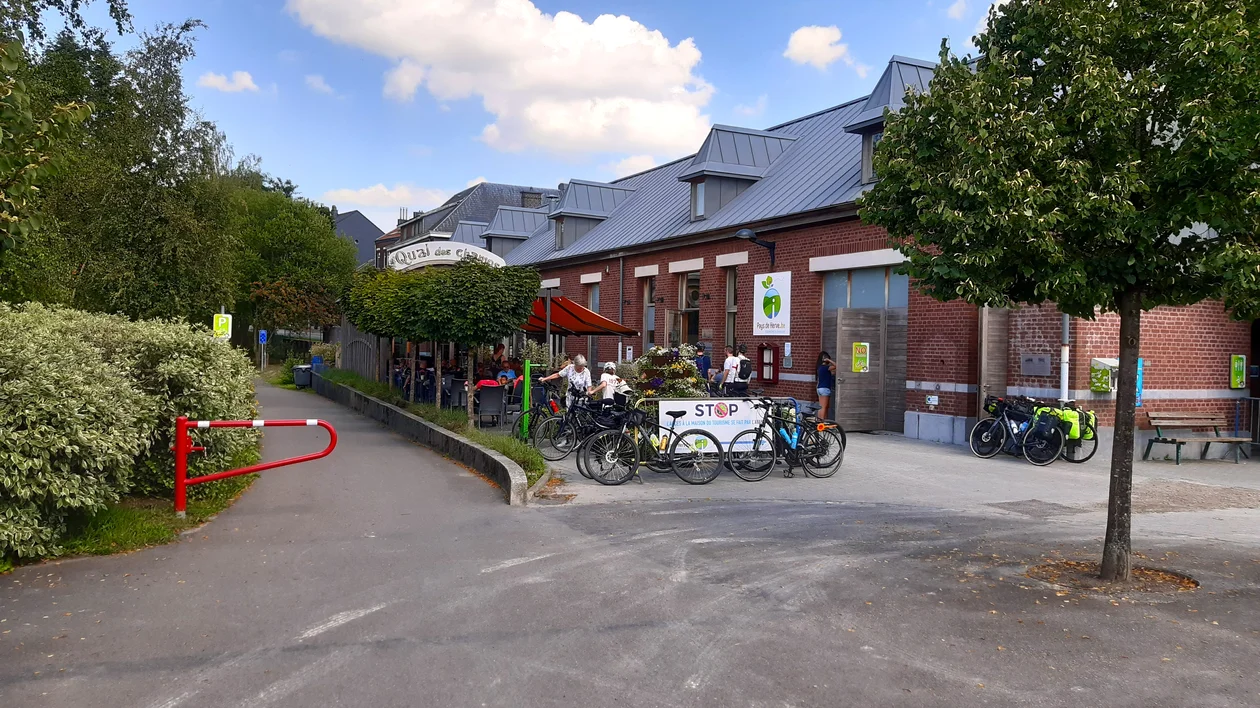
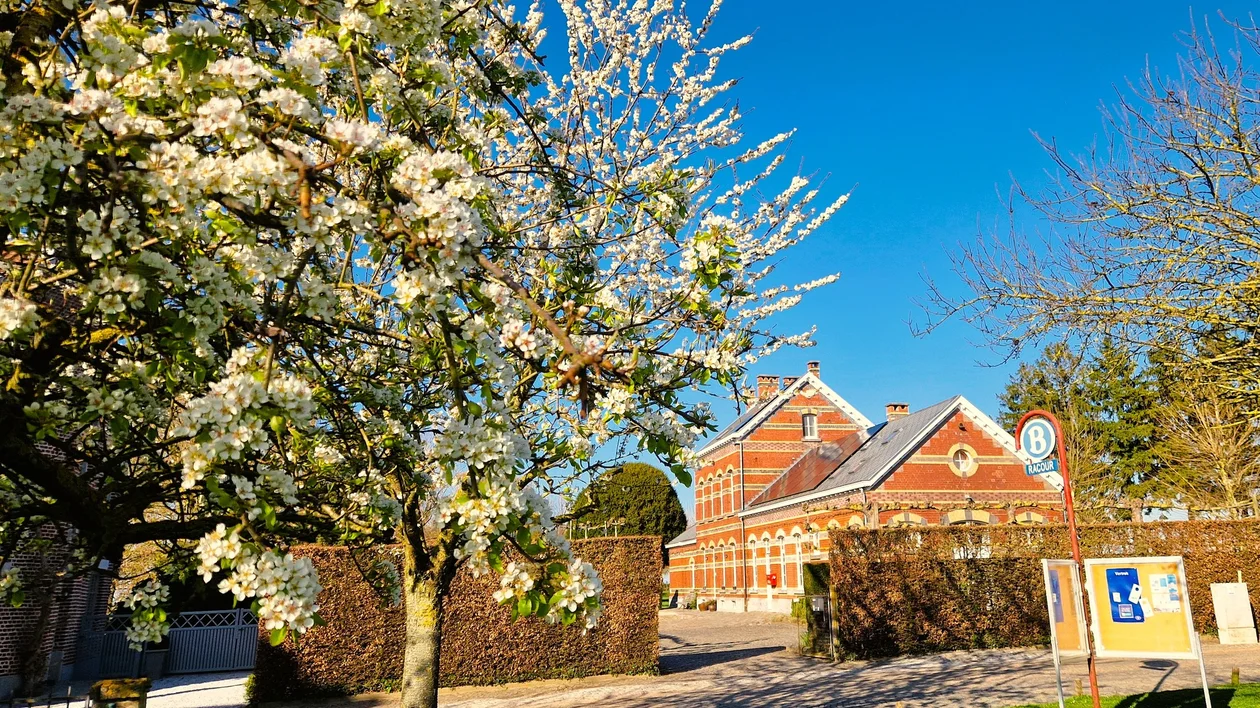
One of the best examples of railway heritage transformation is the beautifully restored former Racour Station on RAVeL Line 147, accessible by bike via greenways from Landen in Flanders and towards Namur in Wallonia. It has become a meeting point for greenway users from both the Flemish and Walloon communities. Built in 1907 and now a protected heritage monument, it is a fine example of rural Belgian railway architecture, carefully preserved to reflect the history of the former line.
Flanders has a lot to offer for anyone who enjoys cycling or walking through outstanding heritage, art, countryside, and finding local products. It features an extensive network of greenways, including distinctive cycling and walking routes — rail-to-trail paths, as well as scenic canal routes and nature-based trails.
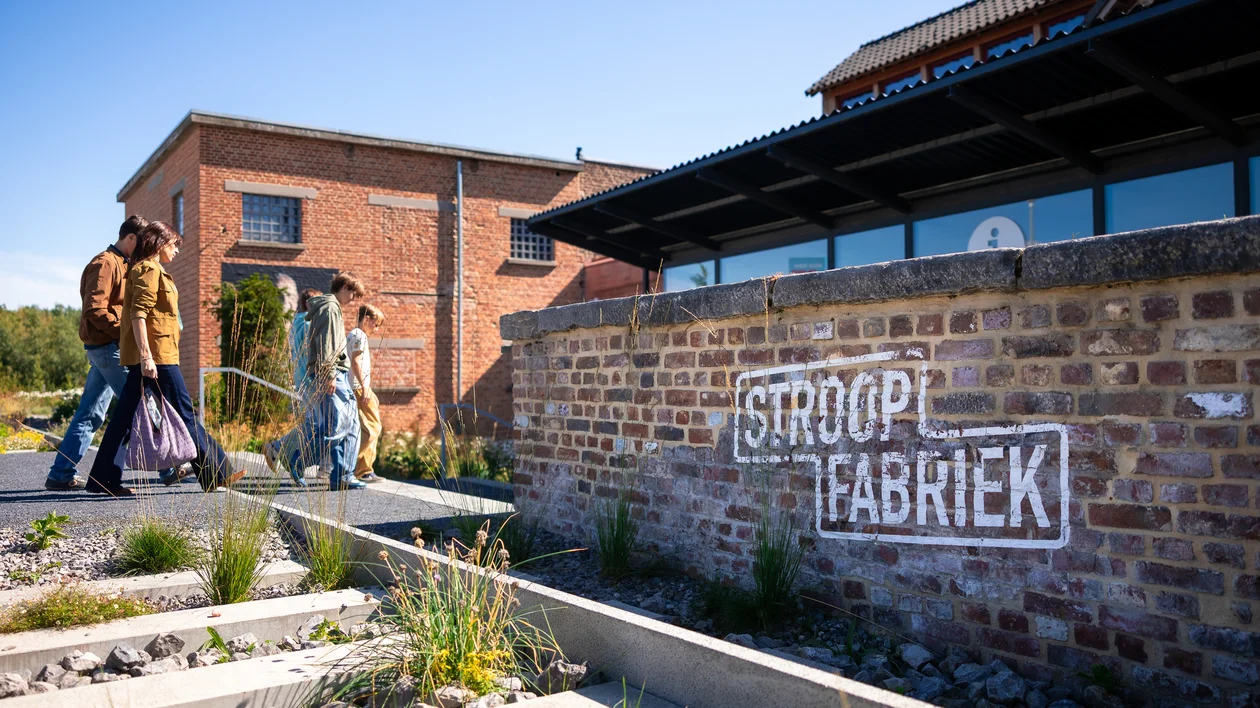
Railway Line 23 — known today as the Fruit Railway Greenway — was a 33.4-kilometer Belgian railway built in the late 19th century, connecting Drieslinter with Tongeren. It earned its nickname from its role in transporting fruit and sugar beets to nearby syrup factories along the line. Passenger and freight services ended in the late 1950s as the local fruit and syrup industries declined. Since the 1990s, much of the former railway has been transformed into a cycling and walking path, with sections preserved as green corridors and nature-rich habitats.
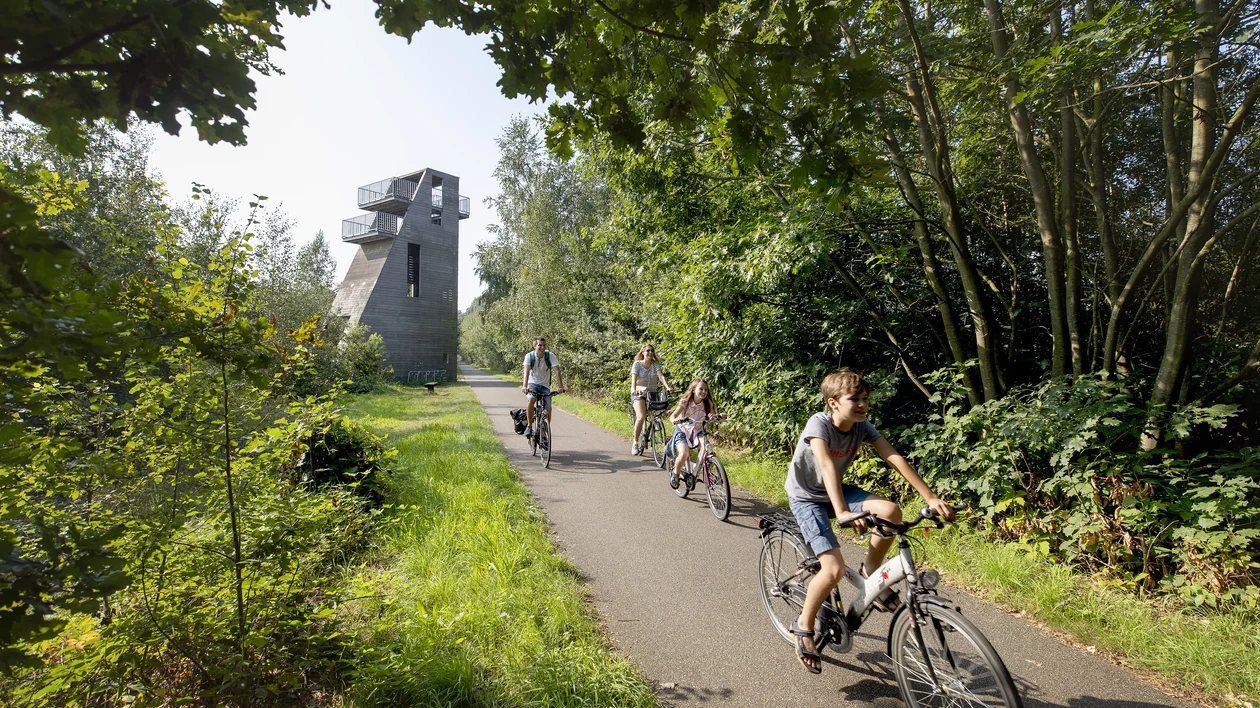
Another outstanding example is the Greenway Bels Lijntje, a cross-border greenway built on a former 19th-century railway line running between Turnhout in the Province of Antwerp, and Tilburg in the Netherlands. Today, the 30-kilometer greenway crosses the Belgian Dutch border multiple times, passing through forests, heathlands, rural villages, and the unique enclave area of Baarle-Nassau and Baarle-Hertog. Former stations, bridges, and other railway heritage sites remain visible, making it both a scenic and cultural experience. Along the route, former railway buildings have found new life, such as the Vakantiewoning Bels Lijntje, a holiday accommodation located directly on the greenway.
The Groene 62 is a 22-kilometer greenway created along a former railway line between Torhout and Oostende. Once part of a rail connection linking the Belgian coast with France, the line was transformed in the 1990s into a peaceful, traffic-free route for cyclists and walkers. Today, the greenway crosses a remarkable variety of landscapes — from forests and sandy woodlands to historic polders and wetlands — while preserving traces of its railway heritage, including old stations, bridges, railway houses, and embankments. The Groene 62 is now both a recreational and everyday mobility route, valued for its biodiversity, scenic views, and connection to the cultural and natural heritage of West Flanders.
Luxembourgish GreenWays
Luxembourg offers both long-distance as well as inter-regional and regional cycling itineraries that consist of sections that follow river valleys, greenways on former railway lines, as well as quiet roads. The journeys pass through picturesque villages, forests, green vineyards and orchards, and historic landscapes with a rich mix of nature, heritage, and slow cycling experiences.
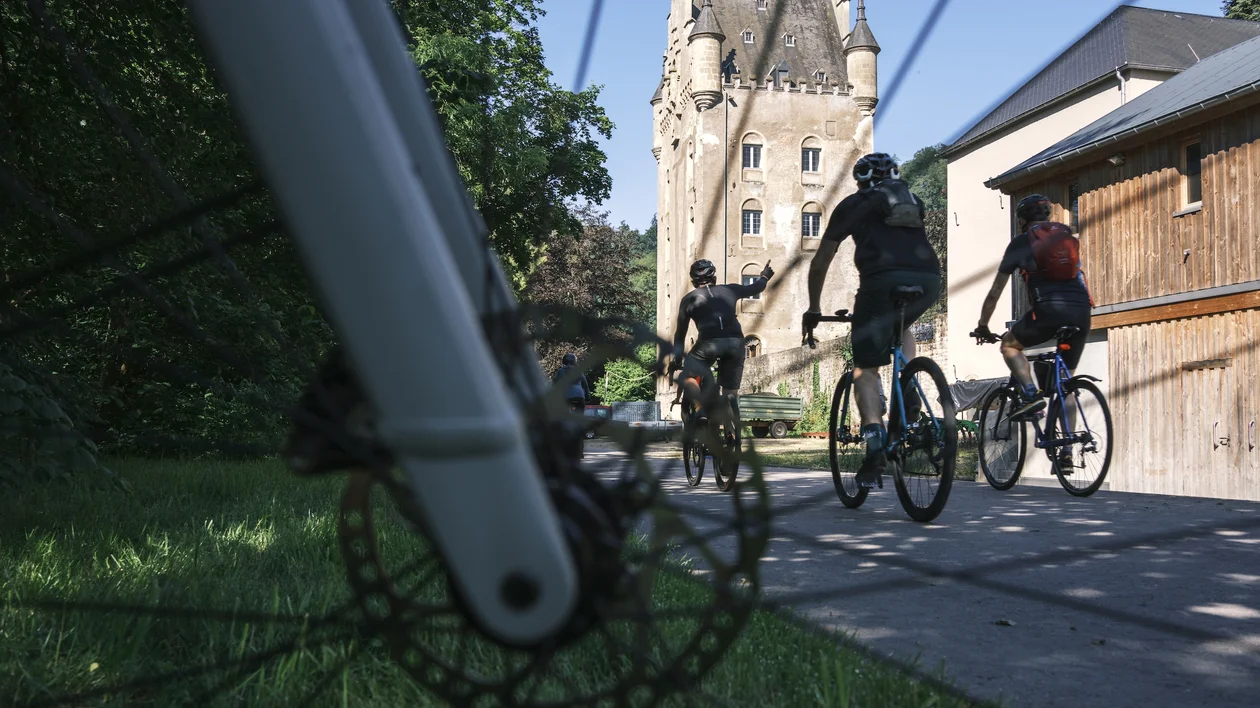
The Slow Cycling Guttland – Hidden Treasure route in Luxembourg is a 31-kilometer circular cycling route starting and ending at Useldange Castle. It offers a moderately challenging but scenic ride through quiet countryside, gentle hills, and hidden lanes in the Guttland region. The route highlights the experience of slow tourism, guiding cyclists through peaceful landscapes and natural areas before reaching its main attraction, the picturesque Turelbach Castle, set on an island in a lake. Along the way, riders enjoy a mix of nature, heritage, and panoramic views, making it a relaxed but rewarding discovery tour in the heart of Luxembourg.
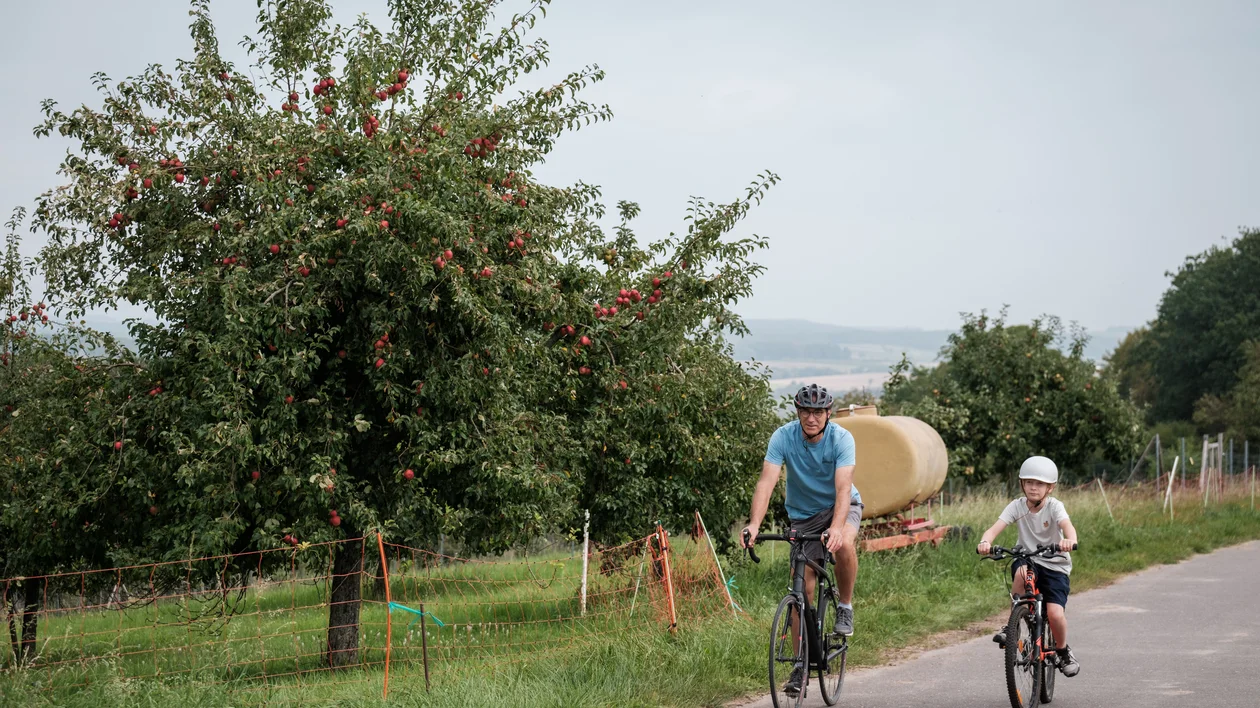
More advanced cyclists can explore the Vélo Pomarium, a challenging 39.8-kilometer circular cycling route starting and ending at Mertert in eastern Luxembourg that winds through the Moselle and Müllerthal regions. The route takes cyclists through a varied landscape of vineyards, orchards, forests, and river valleys, offering extensive panoramic views over the Moselle valley. Along the way, riders can discover natural highlights, cultural sites, and local producers, including nature reserves, historic paths, and scenic viewpoints, making it a diverse journey through Luxembourg’s agricultural and river landscapes.
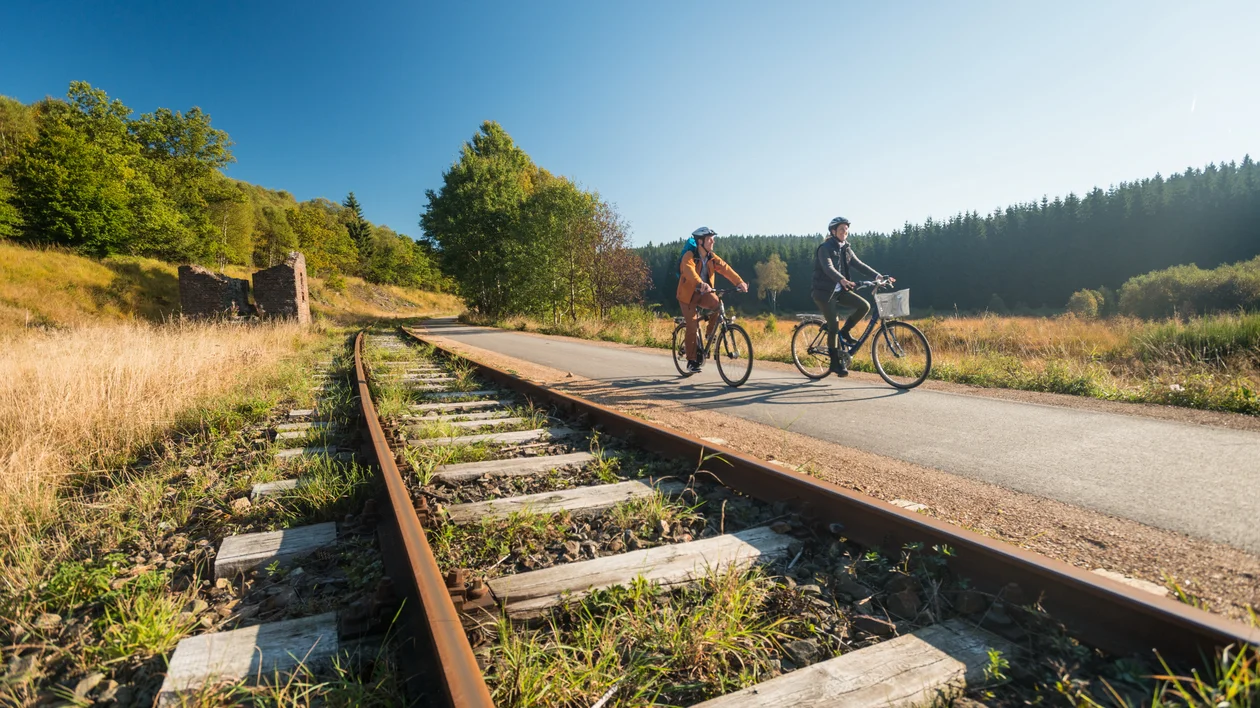
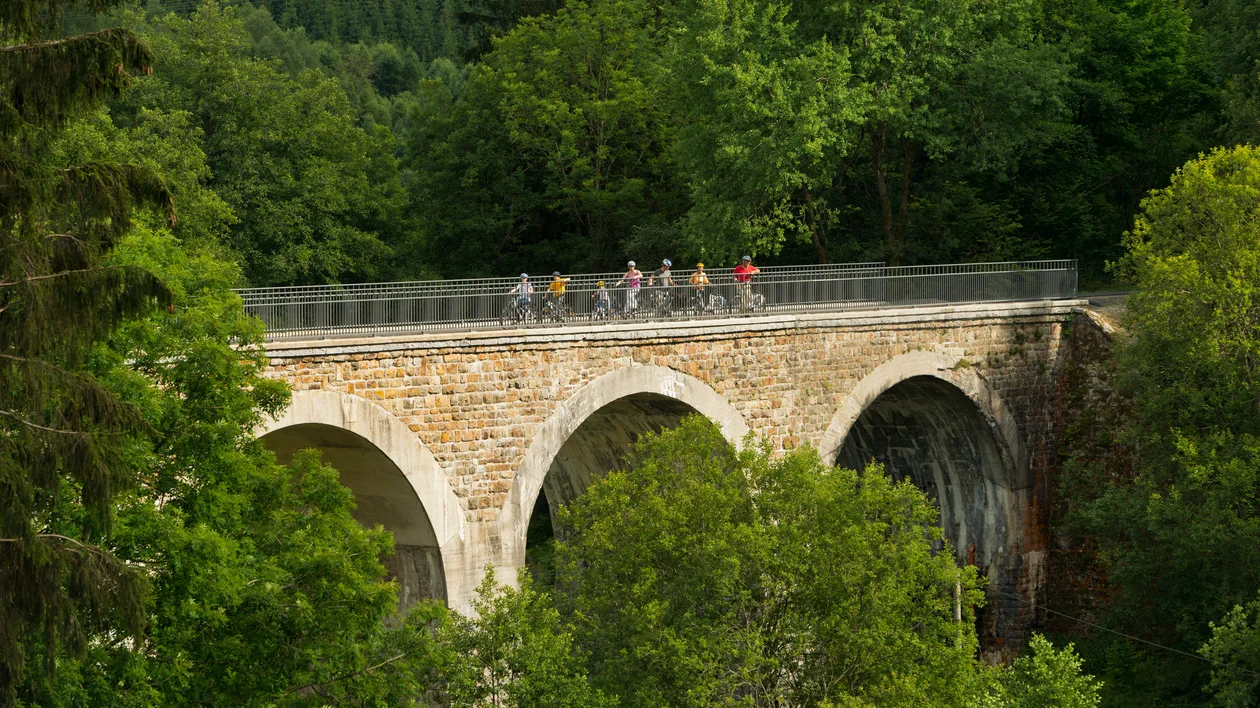
Adventure travelers must include the emblematic cross-border Greenway called Vennbahn, a 125-kilometer cycling and walking route built on a former railway line that runs from Aachen, Germany, through East Belgium to Troisvierges in Luxembourg. It offers a safe, car-free path with gentle gradients, making it especially suitable for families and leisure cyclists. The route crosses three countries and passes through the High Fens and Ardennes landscapes, combining nature, quiet villages, and railway heritage. Along the way, visitors can still see traces of the old railway, including former stations, tunnels and viaducts. It is typically divided into six stages and is one of Europe’s most famous and longest rail-trail greenways in the heart of Europe.