Some of the best travel memories are the surprises en route to a destination, not the ones after you arrive! In Germany, the highlight can be a train ride along a river valley, a bike path through orchards, a city walk that feels like hiking, or a slow glide across a lake on a houseboat. These simple moments are often the best way to see what life in Germany is really like.
Rail journeys that are the main event
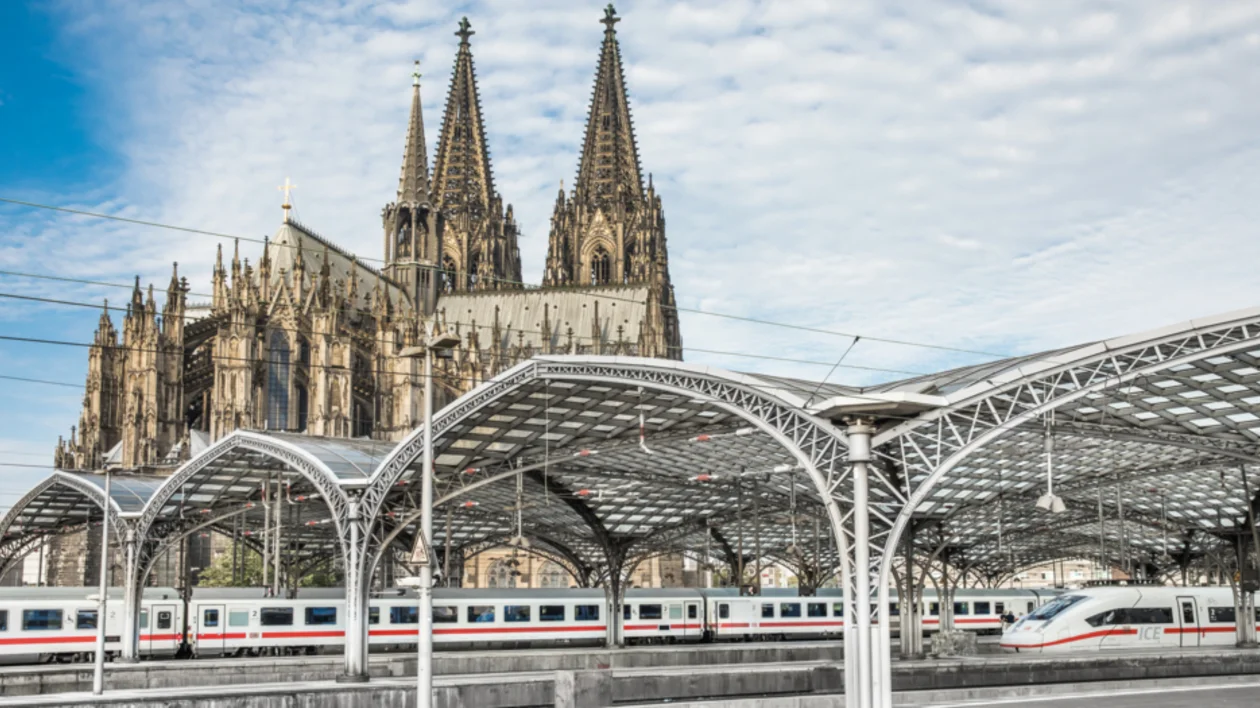
Exploring Germany without a car is easy. Long-distance ICE trains connect major cities, often hourly, at speeds of up to 300 km/h! Frankfurt to Cologne takes about one hour, and Berlin to Hamburg is under two. For scenic routes, ride the Moselle line from Koblenz to Trier, passing the Kaiser Wilhelm Tunnel and the double-decker bridge at Bullay. Another favorite is Bingen to Koblenz through the UNESCO-listed Upper Middle Rhine Valley, where castles rise above vineyards and the Lorelei viewpoint appears between curves. For a sea-air reset, the ride from Hamburg to Sylt via Husum ends with the famous Hindenburgdamm crossing through the Wadden Sea National Park.
Cycling routes: a natural rhythm
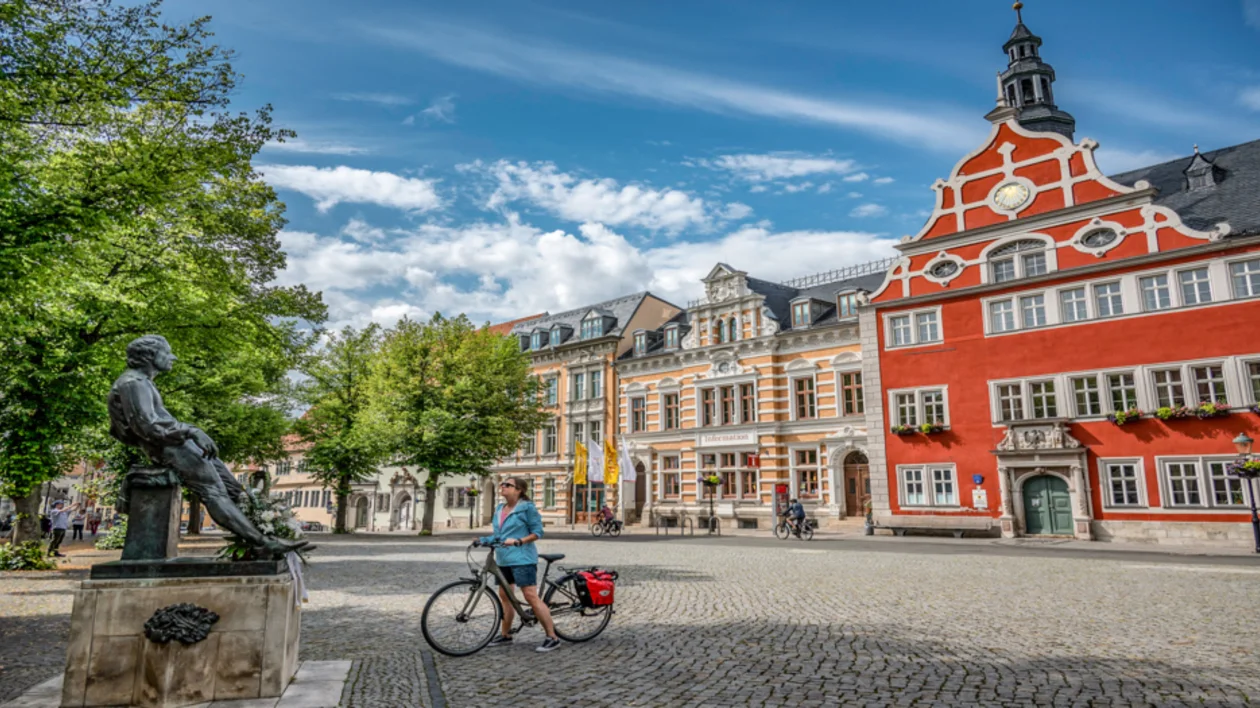
On two wheels, Germany’s long-distance cycling routes give travel an easy pace to travel, and scenic options stretch across the entire country, from coastlines to river valleys to rolling hills. On the Roman Lippe Route from Detmold to Xanten, the Thuringian City Chain from Eisenach to Altenburg, and the coastal De Küst loop near Cuxhaven, these rides combine wide views with small-town stops and everyday local moments along the way.
Urban hiking
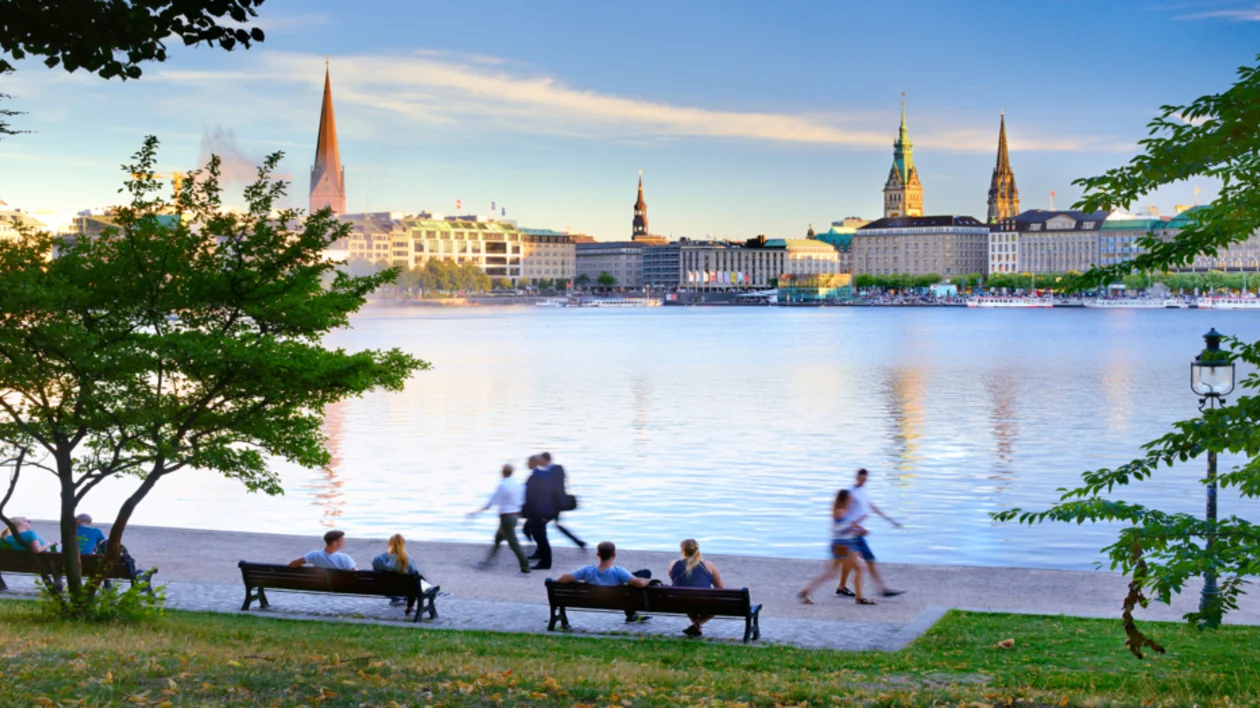
Germany’s best views aren’t only from a train window. Urban hiking routes turn cities into walkable adventures. In Berlin, the 160-kilometer Berlin Wall Trail traces history through neighborhoods, parks, and green corridors. In Hamburg, the Alster trail stays close to the water, passing leafy streets, gardens and quiet corners that feel surprisingly local.
Houseboats and the joy of going slowly
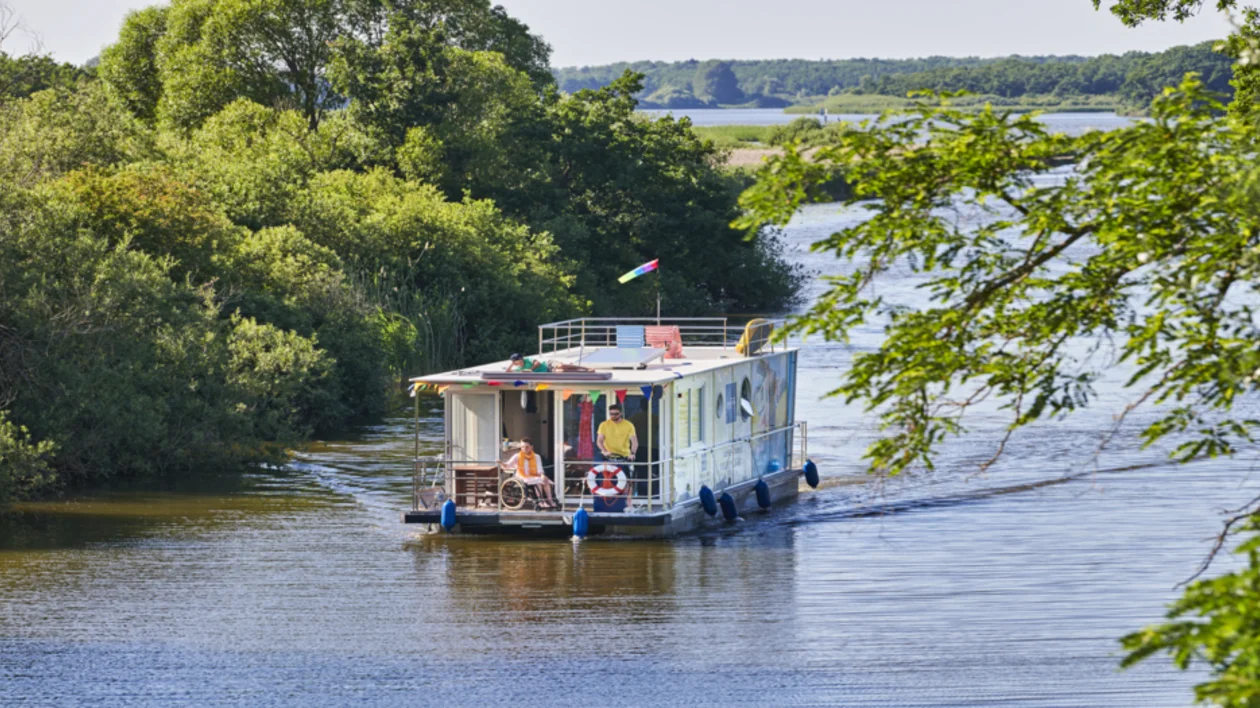
A houseboat vacation is one of Germany’s most relaxed travel trends. In designated charter license areas, especially in Mecklenburg-Western Pomerania and Brandenburg, you can take the helm after a short briefing; no boating license is required. The Mecklenburg Lake District offers more than a thousand interconnected lakes, while Brandenburg’s waterways around Berlin feel like a “blue paradise”. This is slow travel in the purest sense.
Stations worth lingering
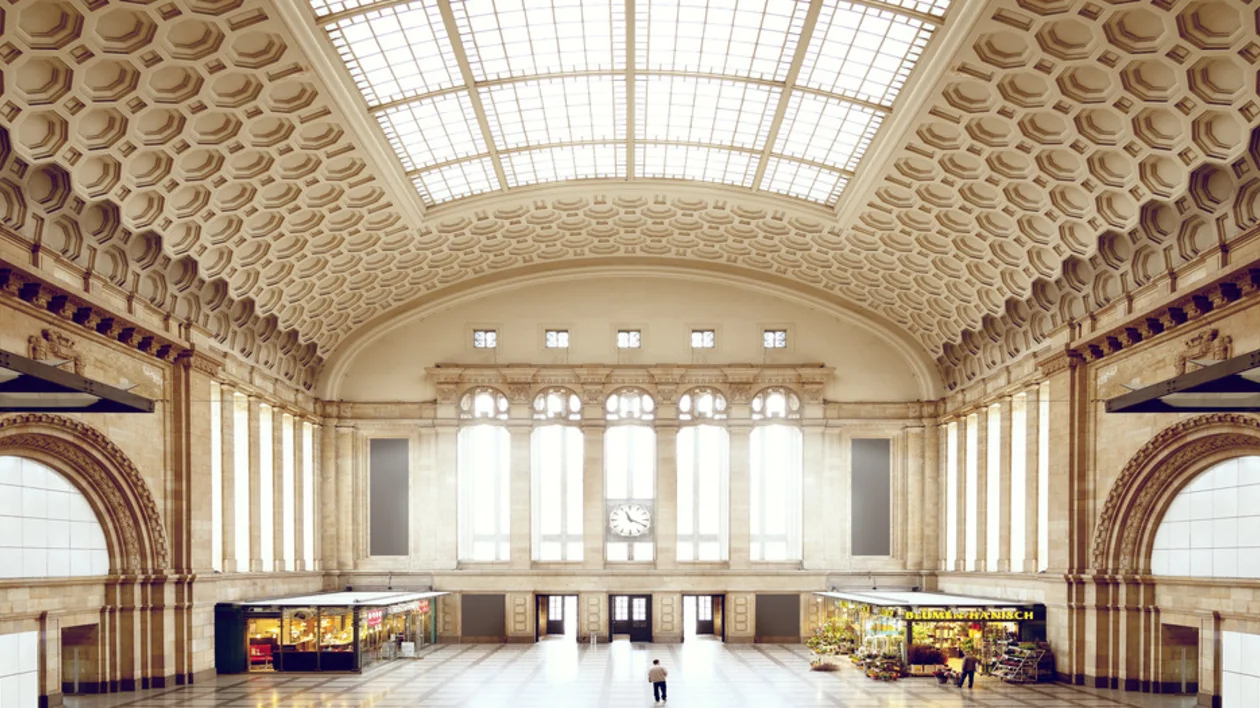
German train stations are no longer just places to wait. Leipzig’s main station was reopened as the Promenaden Hauptbahnhof and is known as Europe’s largest terminal station, with 142 shops across three levels. Other major hubs such as Hamburg, Berlin, Frankfurt, and Munich have followed, turning travel time into a small local ritual — picking up snacks, browsing in bookstores, or sitting down for a meal before the next connection.