8 European Souvenirs You Need to Take Home
Bring your European experience home with you. Here is a list of must-buy European souvenirs to share with friends and family…or keep for yourself!
Europe’s culture is not limited to its numerous art museums and palaces. Some of Europe’s greatest stories can be heard over a glass of wine, beer or other drink within the walls of a pub or finest alcohol outlets off the beaten track.
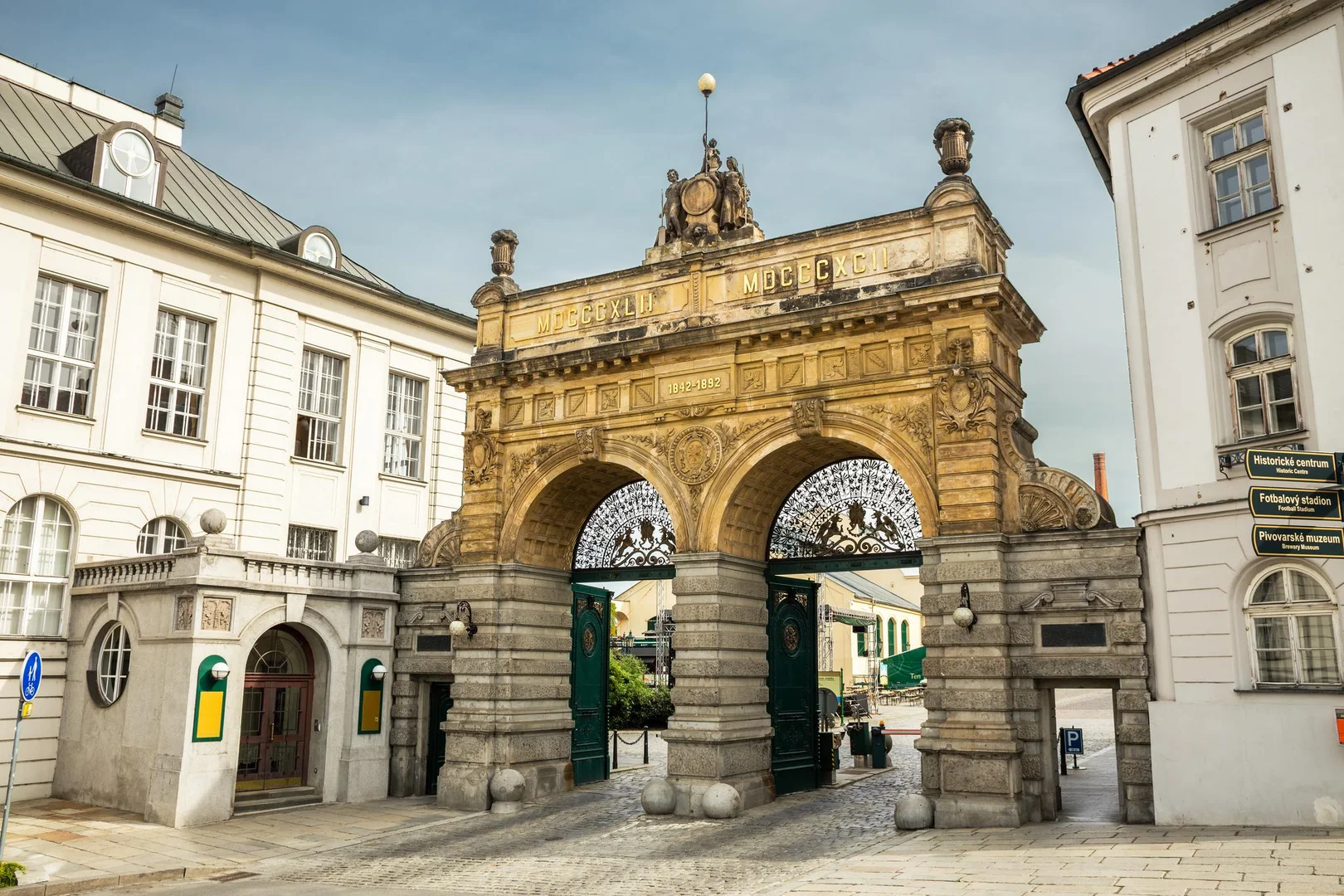
The Czech Republic has the highest per-capita beer consumption in the world, not surprising if one considers that it is the homeland of both Pilsner and Budweiser beers. Whilst there is a multitude of tours on offer, and a variety of Czech beer experiences to be had, the most authentic must be that of the Pilsner Urquell Brewery in Plzeň where you can see the beer production process in action. “Pivo” is the one Czech word a tourist is sure to know by the end of their trip!
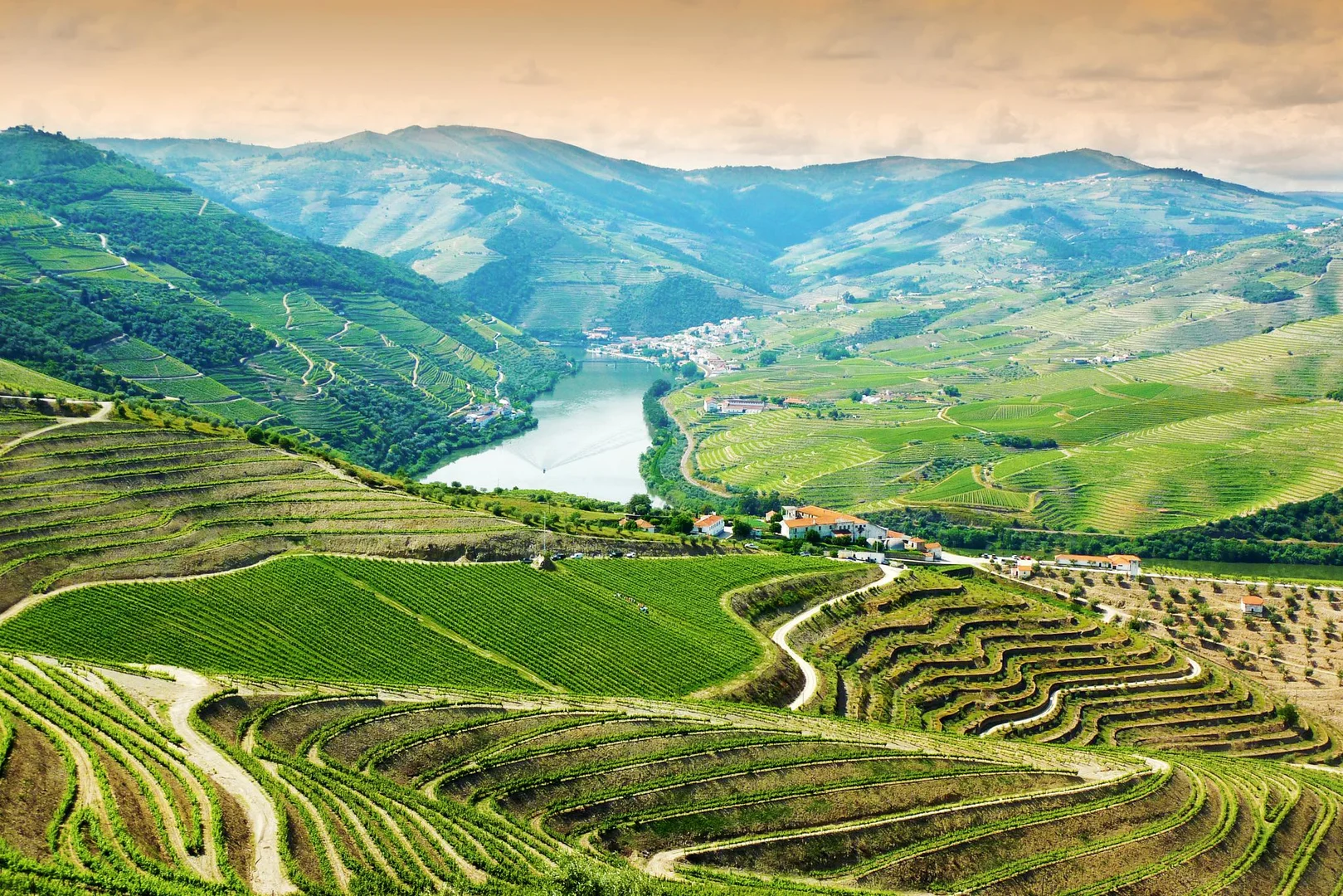
Douro Valley is home to the famous Portuguese fortified wine, simply known as “port”. Seeing the wine produced first hand is an unforgettable experience! Vila Nova de Gaia is the best area to visit the wine cellars before venturing into the Douro Valley to visit the vineyards. A great base for a tour is Oporto, the city where “port” leaves its native land to be exported around the world.
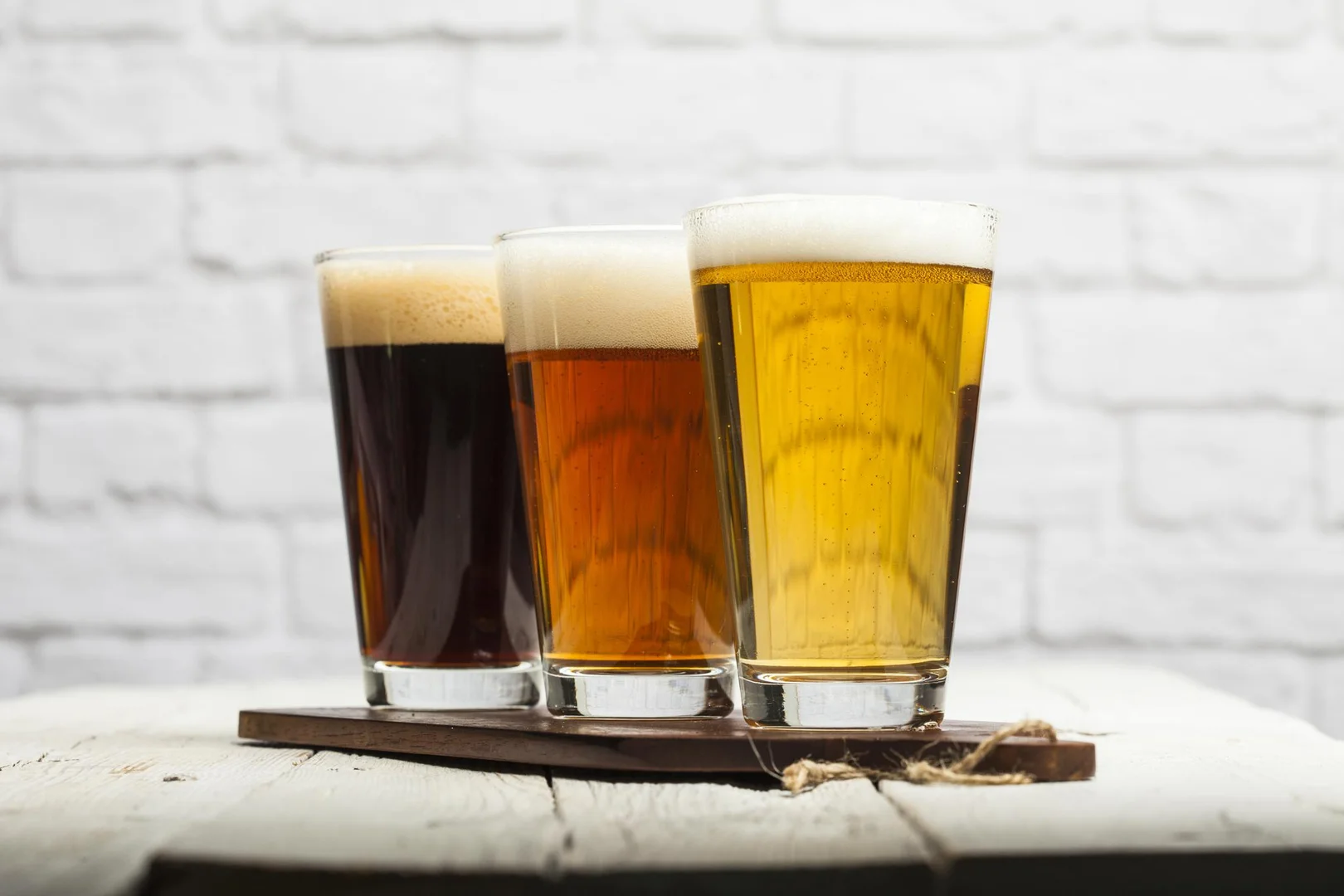
Real Ale is a term referring to a flavorsome form of beer left to mature in a cask container from which it is served in a pub, through a process
called secondary fermentation. Often brewed in small local breweries, Real Ale is also the term used to distinguish these unique beers from generic beers produced by large breweries. For a traditional nibbles and Real Ale experience, you can visit Derby, a city crammed with delightful pubs.
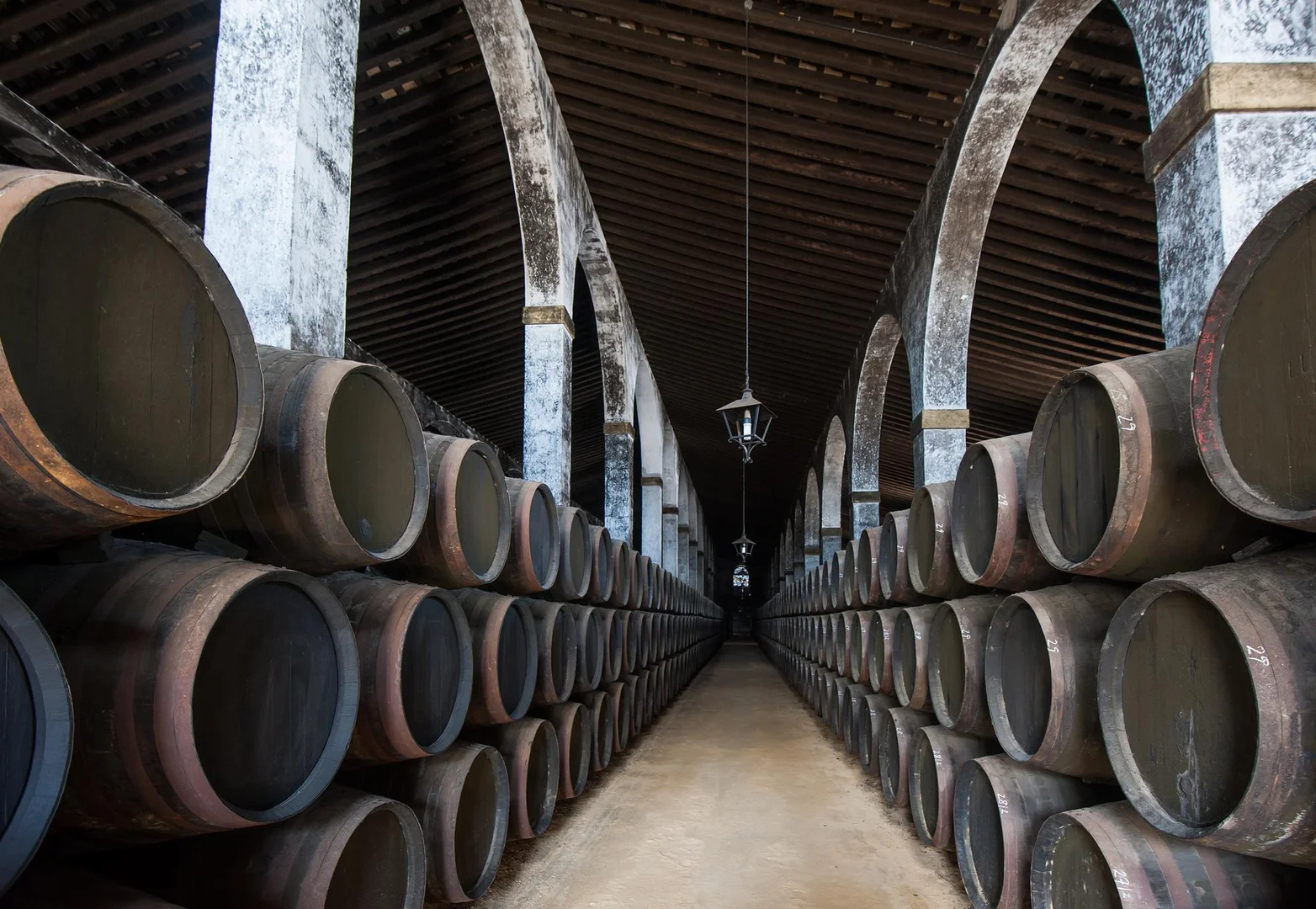
Travellers will love a sweet sip of Sherry whilst they take in the South of Spain. Sherry is a fortified white wine traditionally from Andalusia where the unique microclimates in the producing areas make for sherry’s unique taste. This tantalizing tipple is available from light to darker and heavier versions. Sherry can be found in Andalusia’s bodegas. These are unique storehouses which work on the long-term maturation of the sherry.
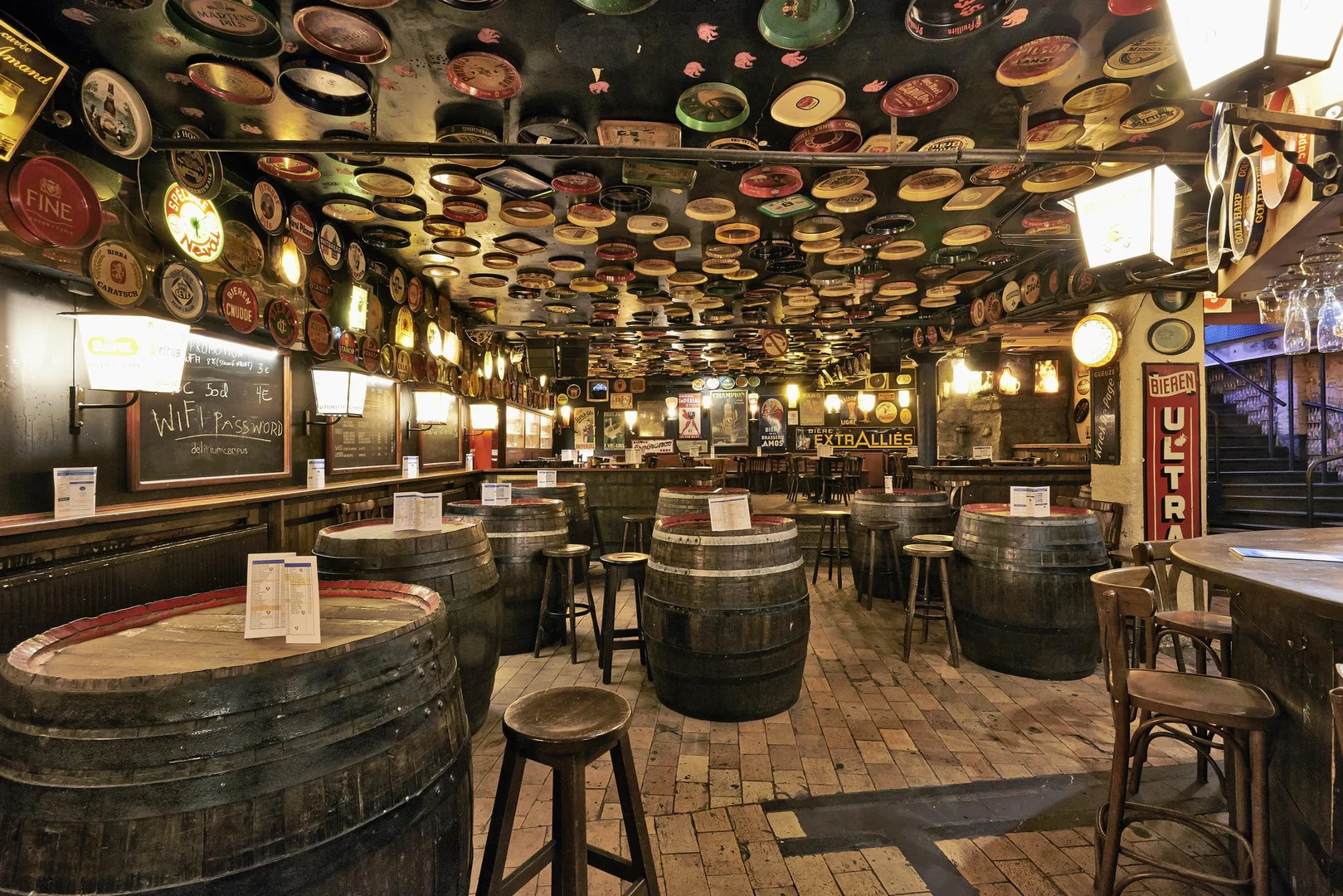
With some bars having beer lists as long as some books, Belgian beer is characterized by its immense variety, from pale lagers to lambic beers. Particularly special are the Trappist beers, which are especially brewed in Trappist monasteries by monks. Specialist beer tours abound in Belgium and you can simultaneously take in Belgium’s finest sights, from the bustle of Brussels to the tranquility of the Trappist breweries.
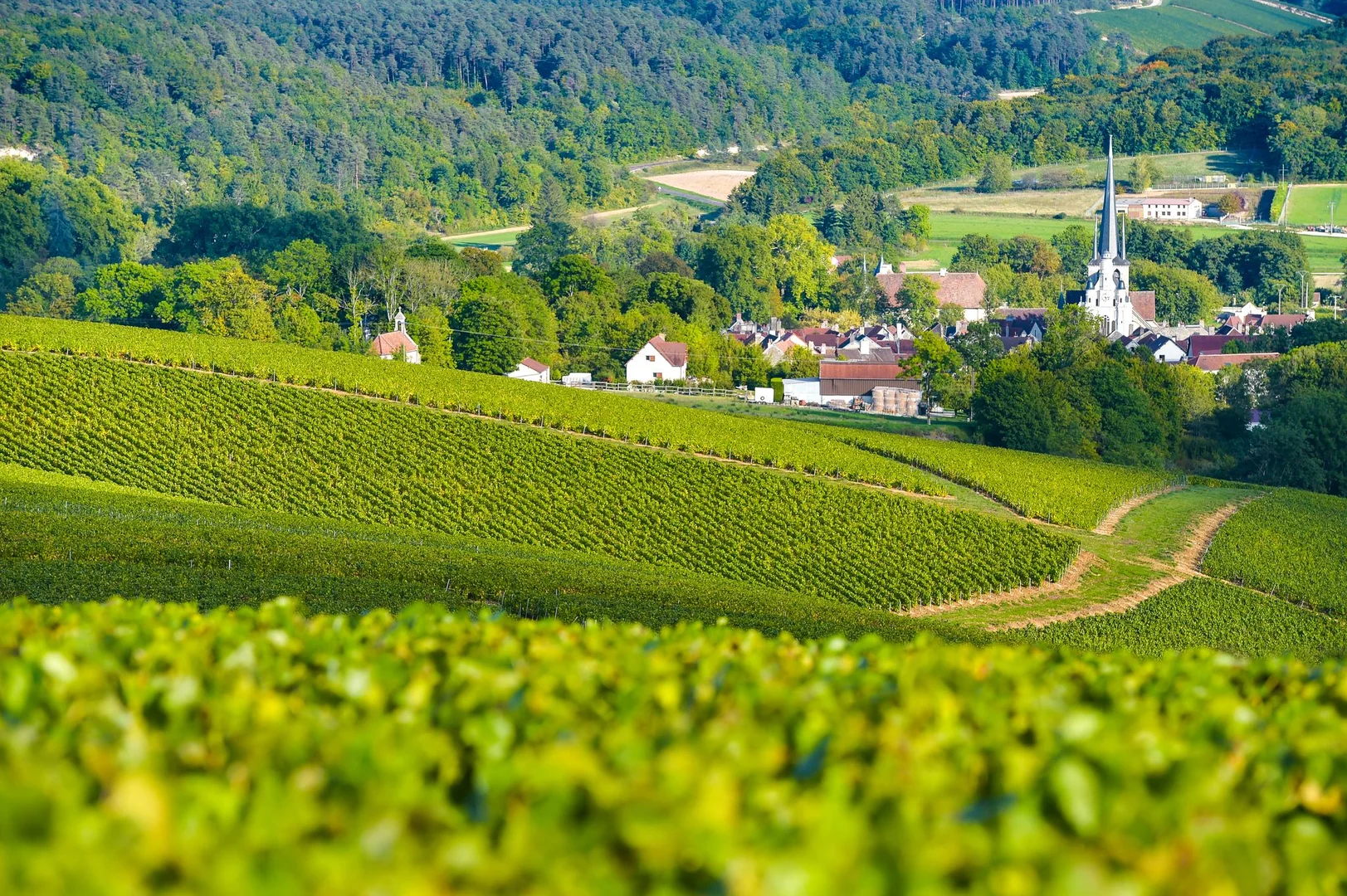
The name of the drink equates with the name of the region, and a tour of the lovely land of bubbles will not disappoint. The region is home to rural growers and famous champagne houses, with many vineyards even opening their own small hotels in the area. The region is only one hour from Paris by train, and various tours offer the epitome of rural luxury.
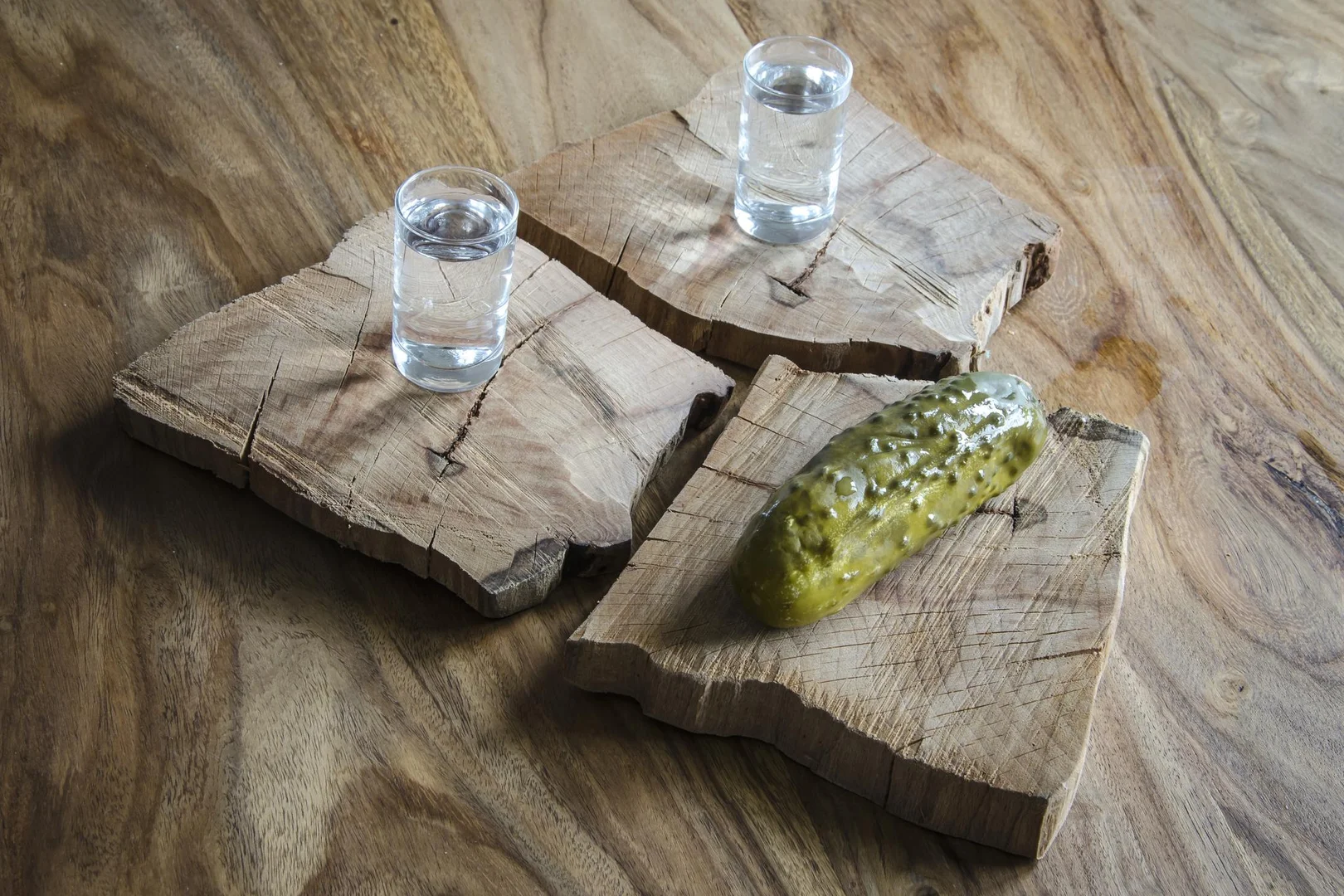
Polish vodka is world-renowned. A particular special is Żubrówka, vodka infused with a herb known as bison grass. Another great example is named after Poland’s most famous musician, Chopin. The Chopin Vodka distillery is one of the few distilleries to offer tours. Visitors can view the distilling process from raised catwalks and gain a rare insight into the making of the key ingredient of many a cocktail.
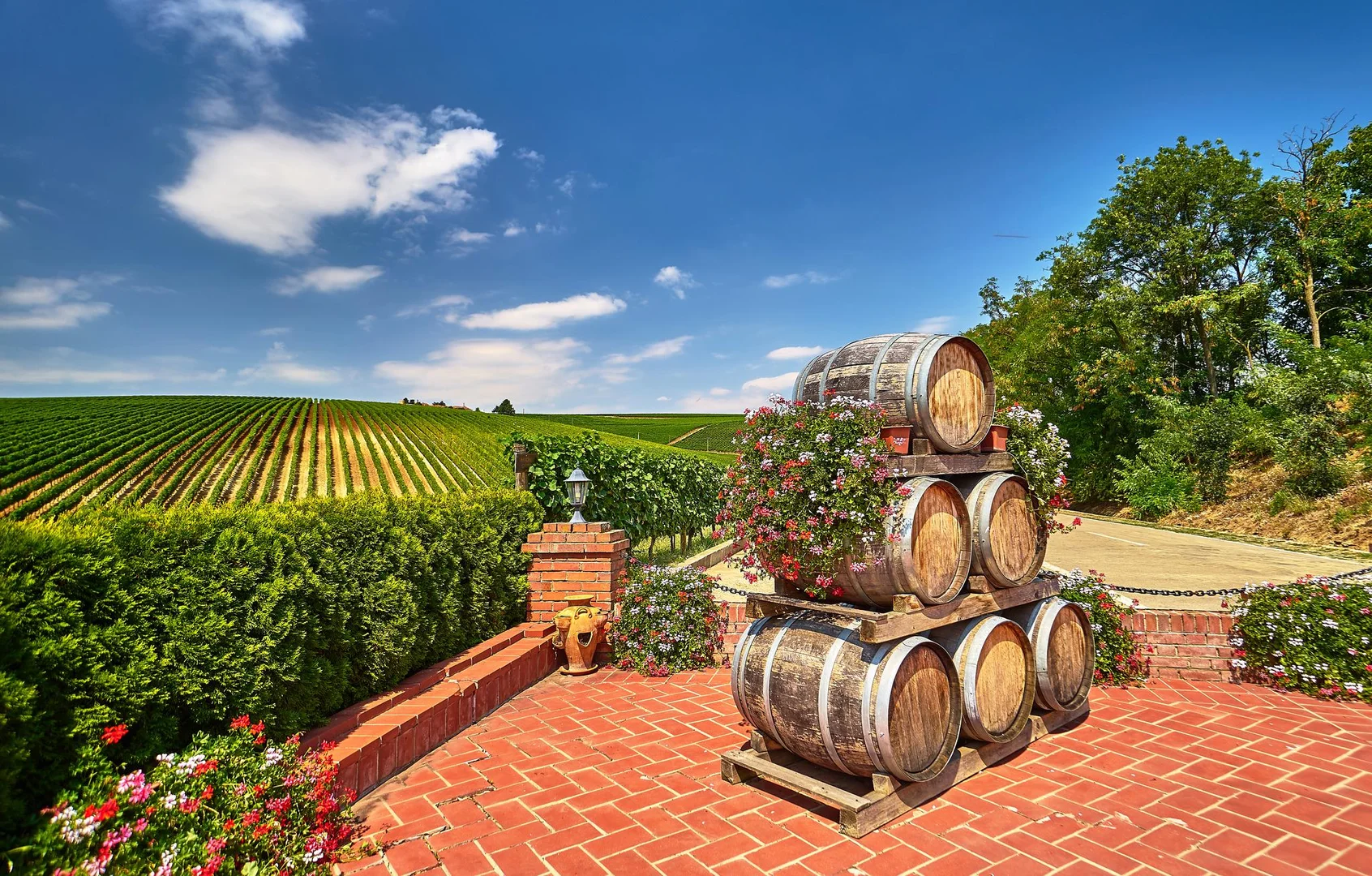
Romania’s wine market is growing and increasingly attracting buyers as its affordable prices, yet fine tastes, attract people from across the globe. The vineyards in Muntenia and Oltenia offer fine examples of Cabernet Sauvignon, Merlot and Pinot Noir or the native Fetească Neagră. A tour is sure to combine wine-tasting with sightseeing of some of Romania’s dramatic castles.
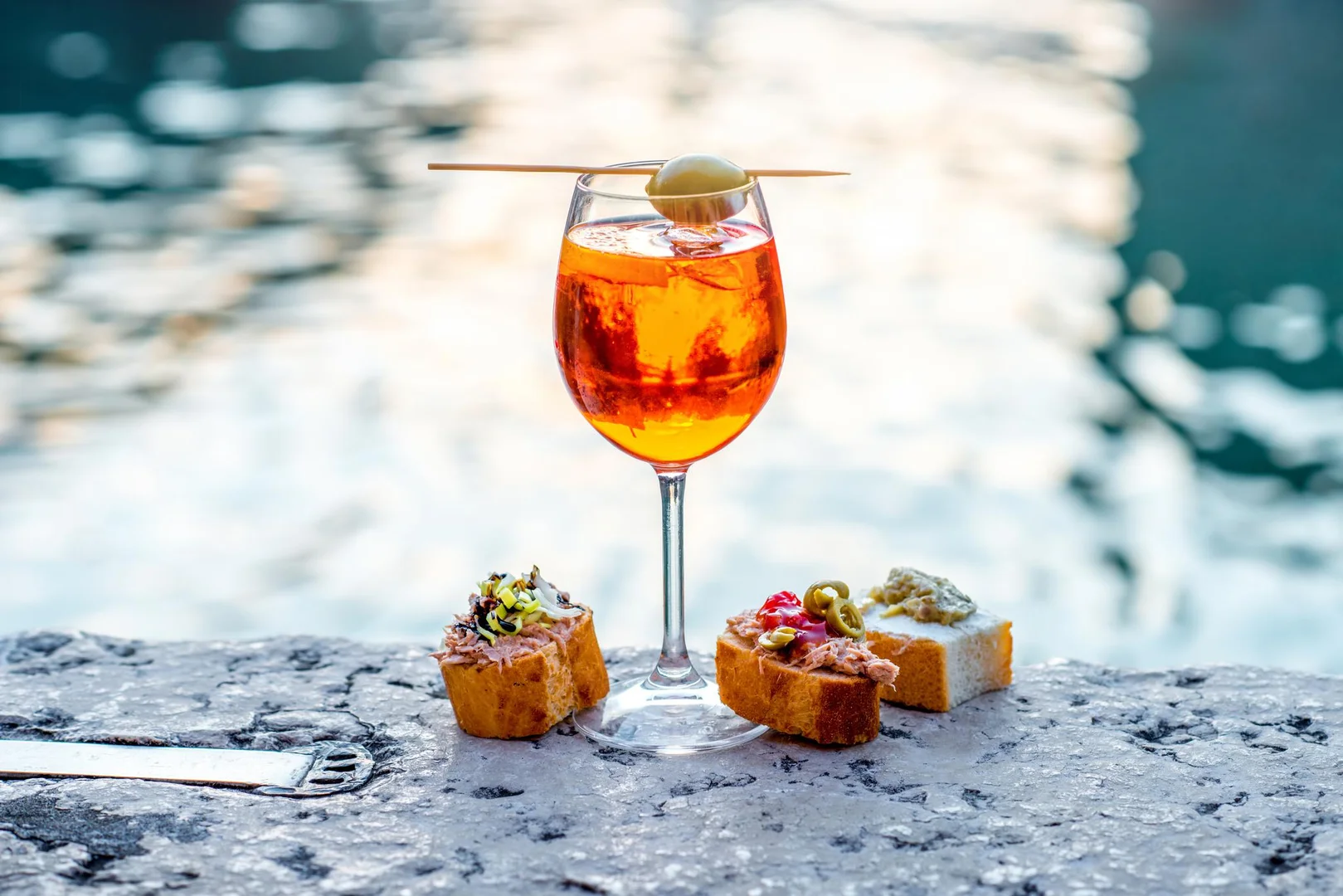
Take part in a tempting Italian pre-dinner habit! In Italy the before dinner drink has taken on a life of its own with Vermouth, Campari, Martini and Aperol Spritz often served alongside a delicious spread of snacks. In Turin, Milan and Rome, the aperitivo scene is buzzing, and trying a selection of bars across those cities is recommended.
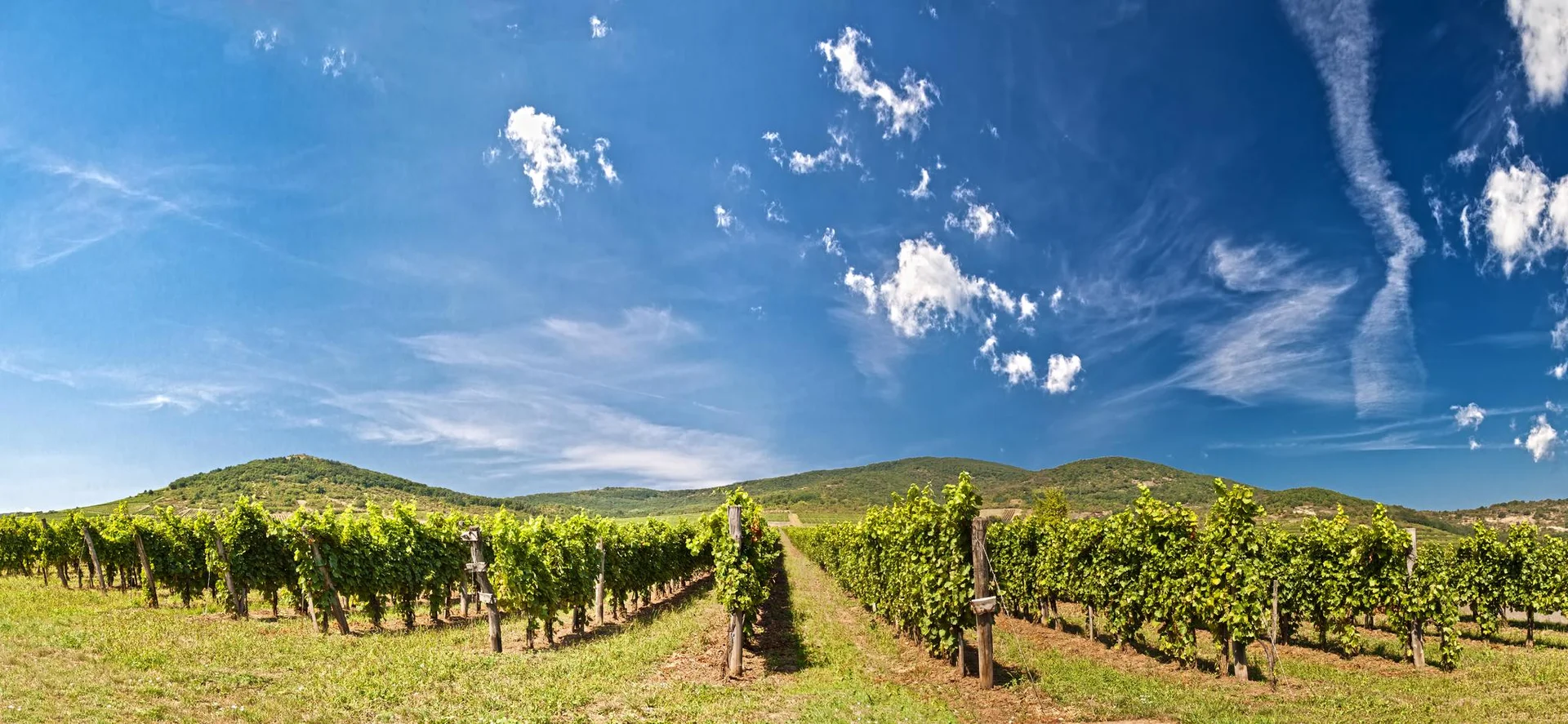
The best known of Hungarian white wines is the delicious dessert wine Tokaji, and a tour of the famous region is sure not to disappoint. The mist that comes in from the River Bodrog is essential to the production of the grapes as it produces a mysterious mold in the area. Tokaj is one of the oldest wine-growing regions in Europe dating back to 16th Century. The town itself is full of narrow streets with plenty of stops to sample the wine along the way.
Bring your European experience home with you. Here is a list of must-buy European souvenirs to share with friends and family…or keep for yourself!
Sometimes the best way to experience Europe is by taking the road less traveled. Or in some cases, not taking a road at all. The natural side of Europe consists of vast countrysides, towering mountains, calm waterways and more. Browse this gallery of some of Europe’s best adventures that are off the beaten trail. Then, load up your backpack and be on your way.
Admire the works of da Vinci, Rembrandt and Klimt firsthand at some of the finest classical art museums in the world.
No trip to Europe is complete without dining on the best local flavors. And some of Europe’s best dishes can be found in coastal countries. From classic pasta recipes in Italy to fresh seafood in Norway, you’re sure to find something to satisfy your palate. Browse this gallery of some of Europe’s best seaside dining before you decide where to go for dinner during your trip.
CHECK OUT OUR
LATEST GUIDE
The greatest experiences Czechia has to offer!
Follow fascinating routes to discover history!
The dance without music!
Hidden bays and seaview trails.
The cuisine of northern Slovakia is influenced by the harsh climatic conditions of the area, where it is usually intensively cold at least three months per year. This is one of the reasons why smoked meat, potatoes, sauerkraut, dairy products and pulses are typical for this cuisine. In Slovakia, the pulses belong to the oldest cultivated crops. The most famous dish, still popular of the Slovak kitchen, is the bean soup, which used to be part of the Christmas Eve dinner for many families.