Malta’s culinary identity is deeply rooted in its geography; Sicilian, North African, and Middle Eastern influences have shaped local cooking for centuries. Because this small Mediterranean archipelago has always relied on what the sea and the islands can provide, Malta naturally embraces the modern movement toward sustainability, local sourcing, and slow food values. The resulting cuisine is simple, hearty, and full of character!
Traditional flavors with character
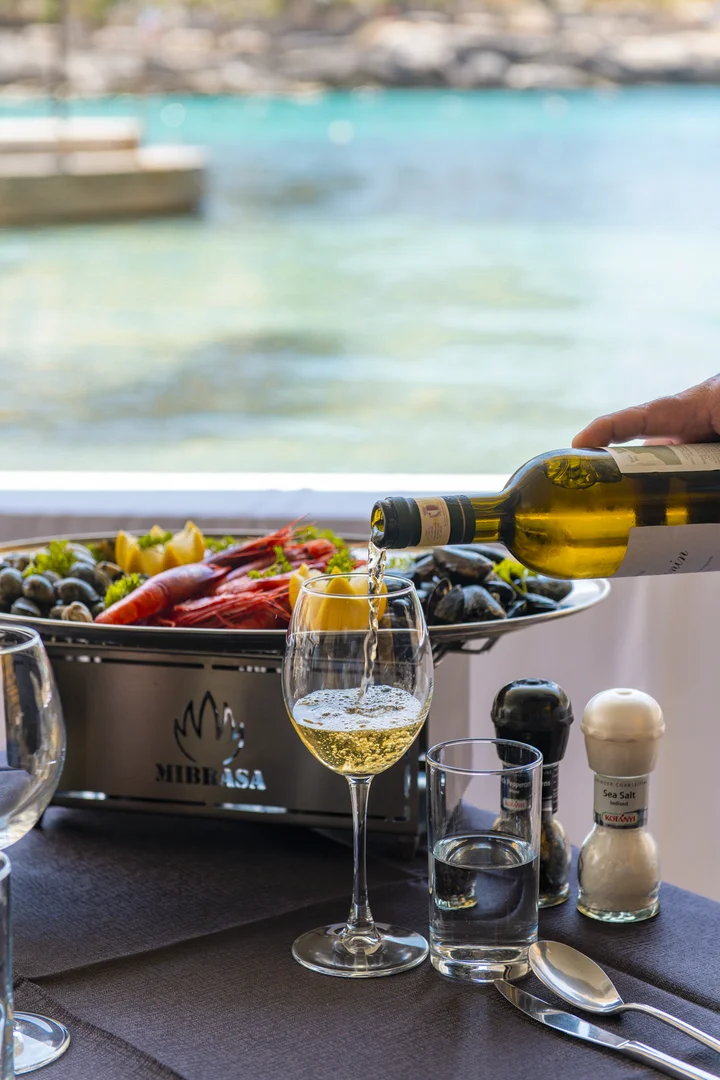
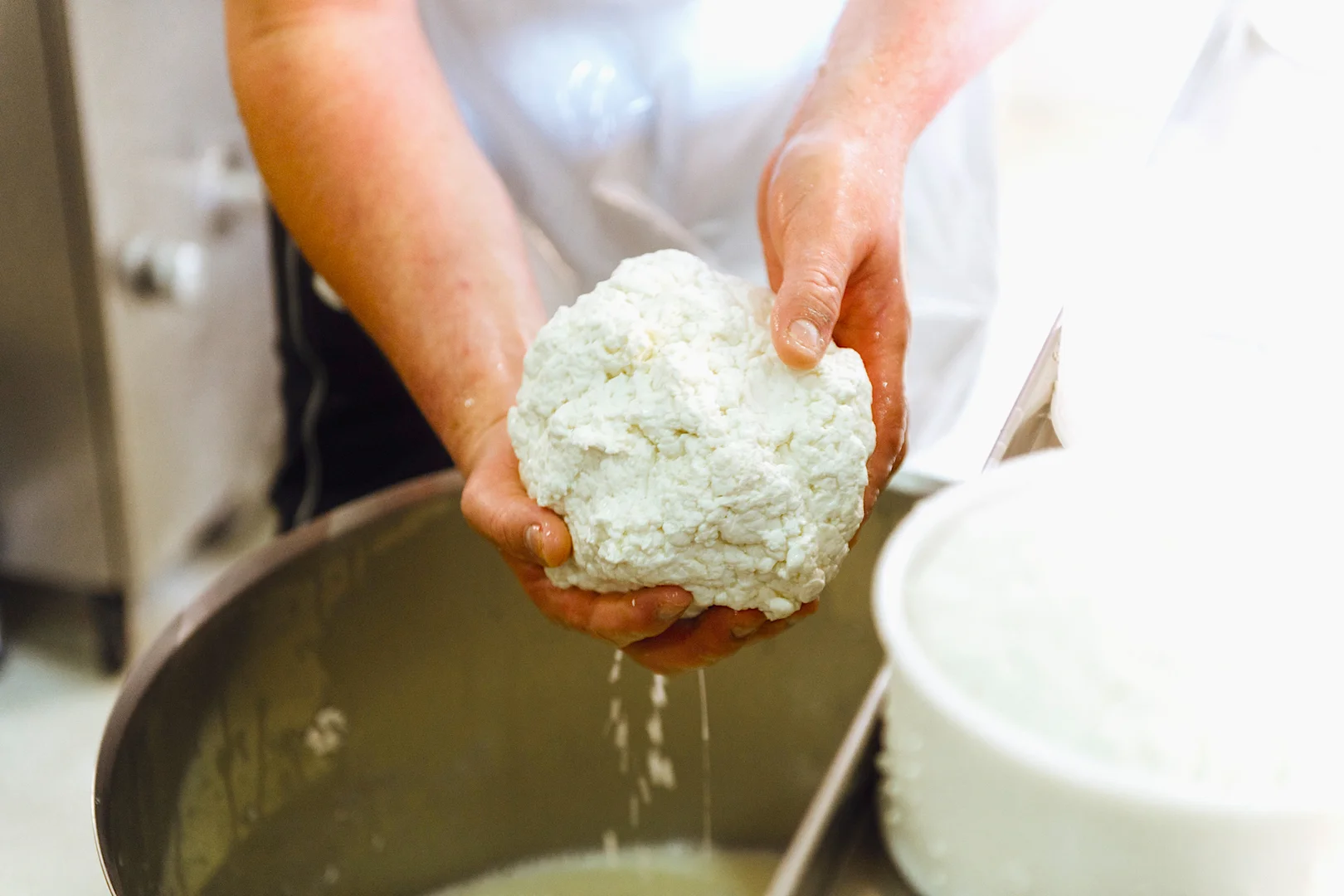
At the heart of Maltese cuisine are traditional recipes that reflect everyday life. Dishes such as rabbit stew, rustic bread topped with tomatoes and olive oil, and savory pastries filled with ricotta or peas are still widely enjoyed. Fresh fish plays a central role, especially seasonal catches that vary throughout the year. Eating in Malta often feels grounded and honest, with recipes that highlight ingredients rather than mask them.
Local markets and authentic produce
One of the best ways to experience this authenticity is to visit local markets. In fishing villages such as Marsaxlokk, early morning stalls often sell freshly caught seafood directly from fishermen, while inland markets showcase seasonal vegetables, local honey, olives, and artisanal cheeses. Not only places to shop, these markets are also cultural meeting points where food traditions have been passed down for generations.
The rise of farm-to-table and slow food
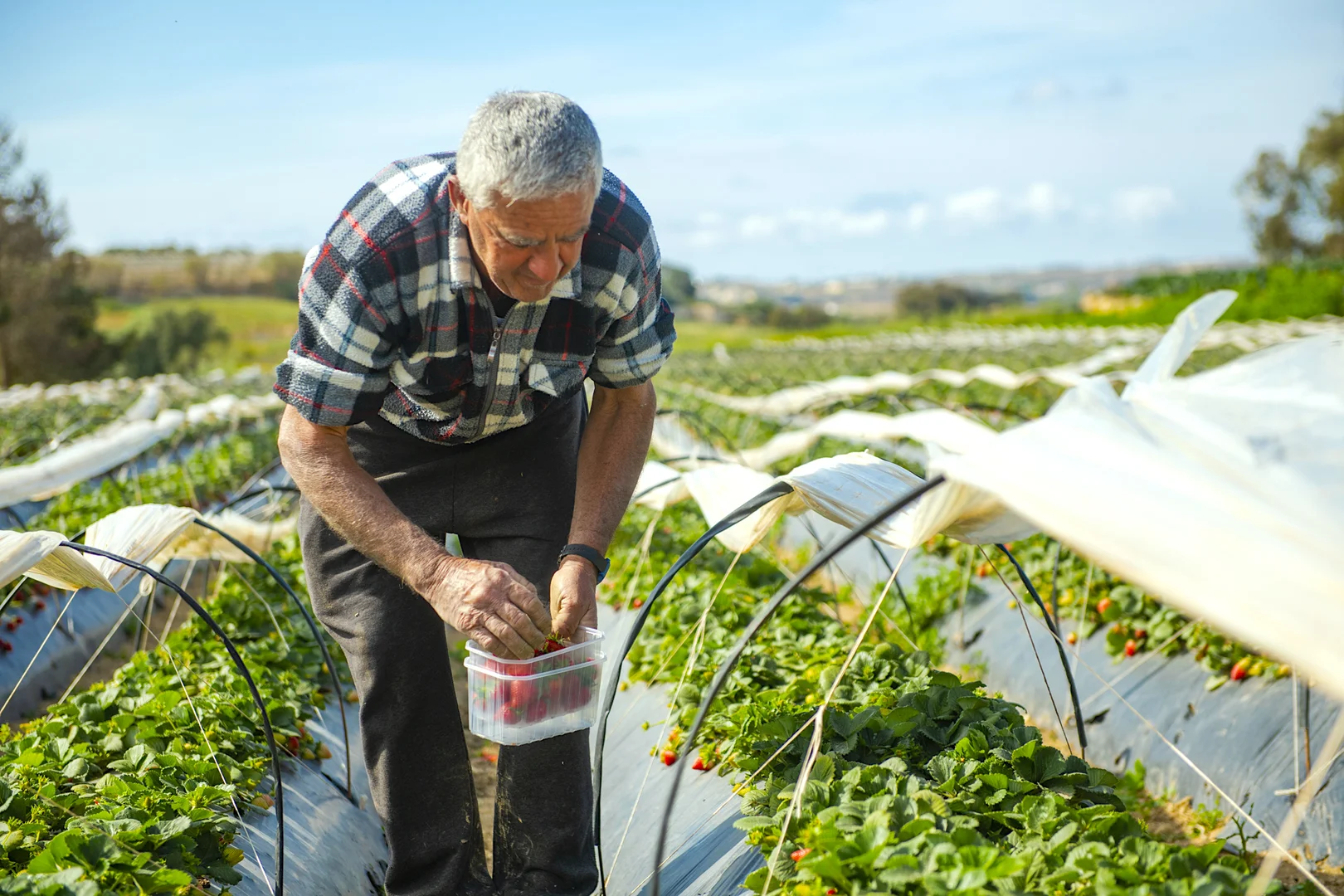
In recent years, Malta has seen a growing movement towards slow food and farm-to-table dining. More restaurants are working directly with local farmers and producers, reducing the distance between source and plate. On the sister island of Gozo, this movement is particularly strong, with its rural landscape and smaller-scale agriculture making it easier to embrace seasonal cooking and traditional methods.
Dining close to the land
Some culinary experiences even take place on farms themselves, where visitors can dine outdoors surrounded by fields, olive groves, or vineyards. These meals highlight the importance of seasonality, with menus changing based on what is freshly harvested that day. It is a way of eating that feels connected not only to place, but also to time.
Responsible dining in Malta
Responsible dining is also becoming increasingly important in Malta’s evolving food scene. Many chefs and restaurateurs are making conscious choices to support local suppliers, reduce waste, and prioritize sustainable seafood. Travelers are encouraged to follow the same principles: choose seasonal dishes, support family-run establishments, and ask about the origin of ingredients.
Balance tradition and innovation
What makes Malta’s food culture particularly special is the balance between tradition and innovation. While recipes remain deeply rooted in history, there is a clear shift towards responsible dining in the contemporary sense. For visitors, this means the opportunity to enjoy both authentic home-style dishes and contemporary interpretations that respect the same core values.