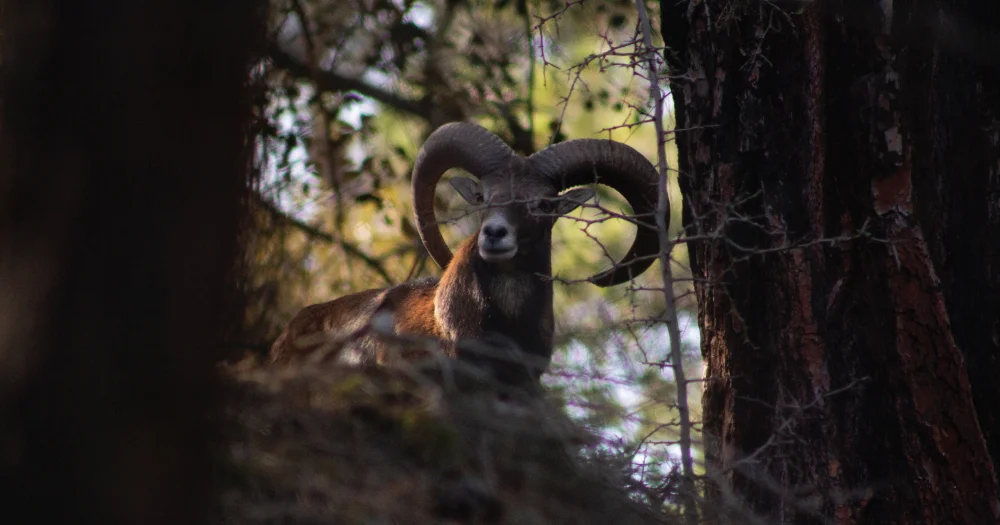
Regenerative travel is about discovering destinations while helping to preserve their natural heritage for future generations. Deep within the Pafos Forest and the northern slopes of the Troodos Mountains lives one of Europe's most remarkable wildlife conservation success stories: the Cyprus mouflon (Agrino), a species of wild sheep found nowhere else in the world.
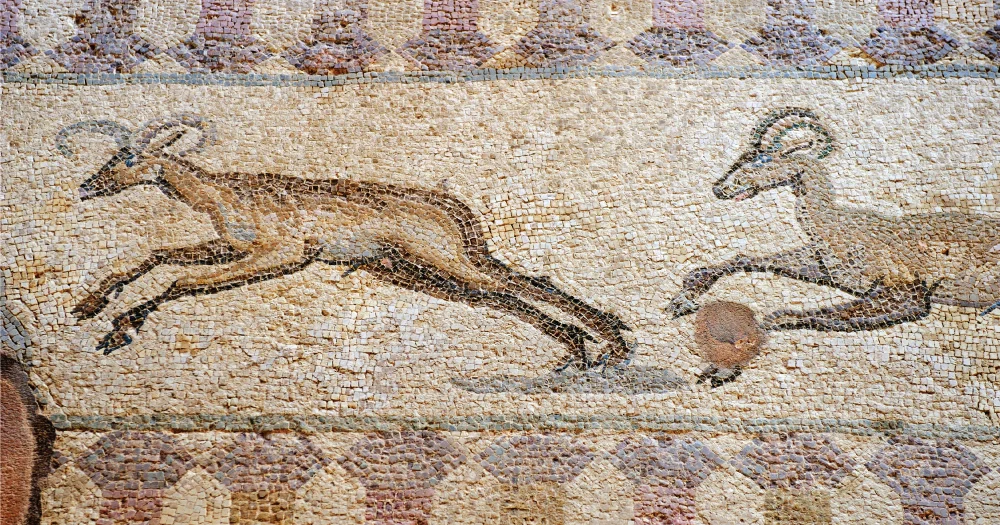
The Cyprus mouflon (Ovis gmelini ophion) is the island's largest endemic mammal and one of its best known wildlife symbols. It appears on Cyprus' one, two, and five-cent euro coins and for more than five decades was proudly featured on the logo of Cyprus Airways, thus becoming an enduring emblem of the island.
Archaeological discoveries at the Neolithic settlement of Choirokoitia reveal that mouflon have lived in Cyprus for more than 8,000 years. For centuries, they roamed freely across the island, thriving in forests rich in vegetation and free from natural predators. During the medieval period, they became a prized game animal, but the introduction of firearms under Ottoman rule led to a dramatic decline in their population. By 1939, only 15 mouflon remained in the wild.
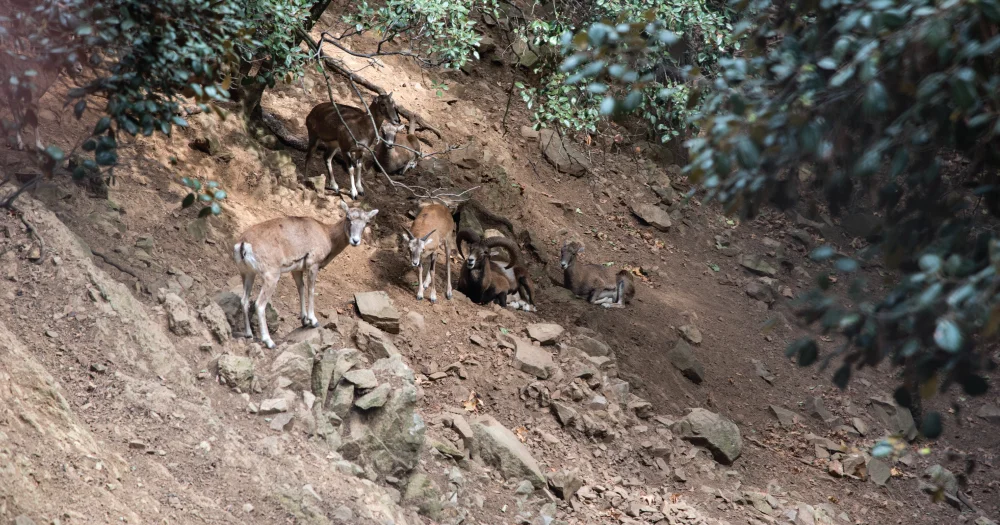
Determined conservation measures transformed the species' future. In 1939, the Pafos Forest was declared a permanent no-hunting zone, while livestock grazing was removed to allow the habitat to recover. The results have been extraordinary. Today, around 3,000 mouflon inhabit the forests of western Troodos, making their recovery one of Cyprus' greatest conservation achievements.
Perfectly adapted to the island's climate, the mouflon changes with the seasons. In winter, its coat becomes thicker, longer, and darker, while during the hot summer months, it sheds into a lighter, shorter coat. Adult rams are easily recognized by their impressive, curved horns and can reach one meter in height, whereas the smaller ewes are hornless.
These agile wild sheep are highly social animals. Rams usually live together in bachelor groups, while ewes remain with other females and their young. During the breeding season in autumn, the groups come together, and by spring, newborn lambs can be seen following their mothers through the forest until they become independent.
Although naturally shy, the Cyprus mouflon can sometimes be spotted while exploring the Pafos Forest or the northern Troodos region. Visitors hoping for a closer encounter can also visit the Forestry Department's viewing enclosures at Stavros tis Psokas and Platania Forest Station, where mouflon are often seen in a natural mountain environment.
The story of the Cyprus mouflon is more than a wildlife encounter. It is a reminder that protecting nature can restore what was once nearly lost. For travelers seeking meaningful experiences, discovering the island's endemic wildlife is a journey into one of Europe's finest examples of successful conservation.