Poland is increasingly on the football map of Europe, combining modern facilities and intense stadium atmosphere with a genuine local atmosphere. Attending a match and sightseeing can easily be combined.
Thanks to co-hosting EURO 2012, Poland’s stadiums and infrastructure were modernized without losing what matters most: fans can still stand close to the pitch, sing during the entire match, and truly be part of the event.
For many fans, Poland means one name: Robert Lewandowski. His stellar story began in a local stadium you can still visit today, one of many where great careers are born.
At the very heart of your football journey is the National Stadium in Warsaw: modern, well-connected and open to visitors. It is the arena for the national team’s matches, and an excellent starting point for discovering how football is part of everyday life in Poland.
You can tour the National Stadium and see the inside, including dressing rooms, the players’ tunnel, and the backstage area of major events. A few kilometers away, the Legia Warsaw stadium has a completely different atmosphere: rawer and more intense, with stands that come alive from the first minute. In the club museum, you can see how football here intertwines with the city's history. The Museum of Sport and Tourism exhibits the broader history of Polish sport.
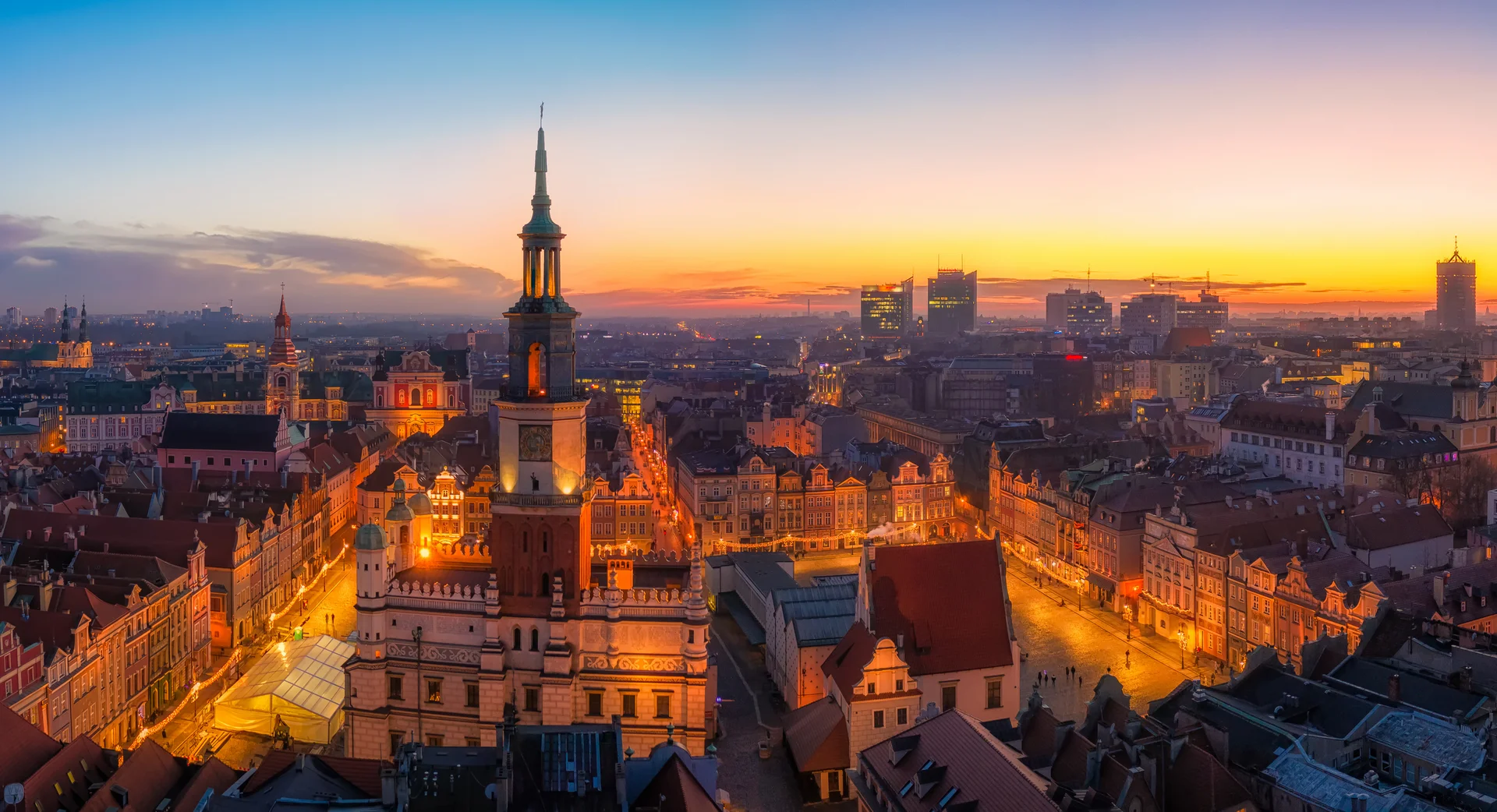
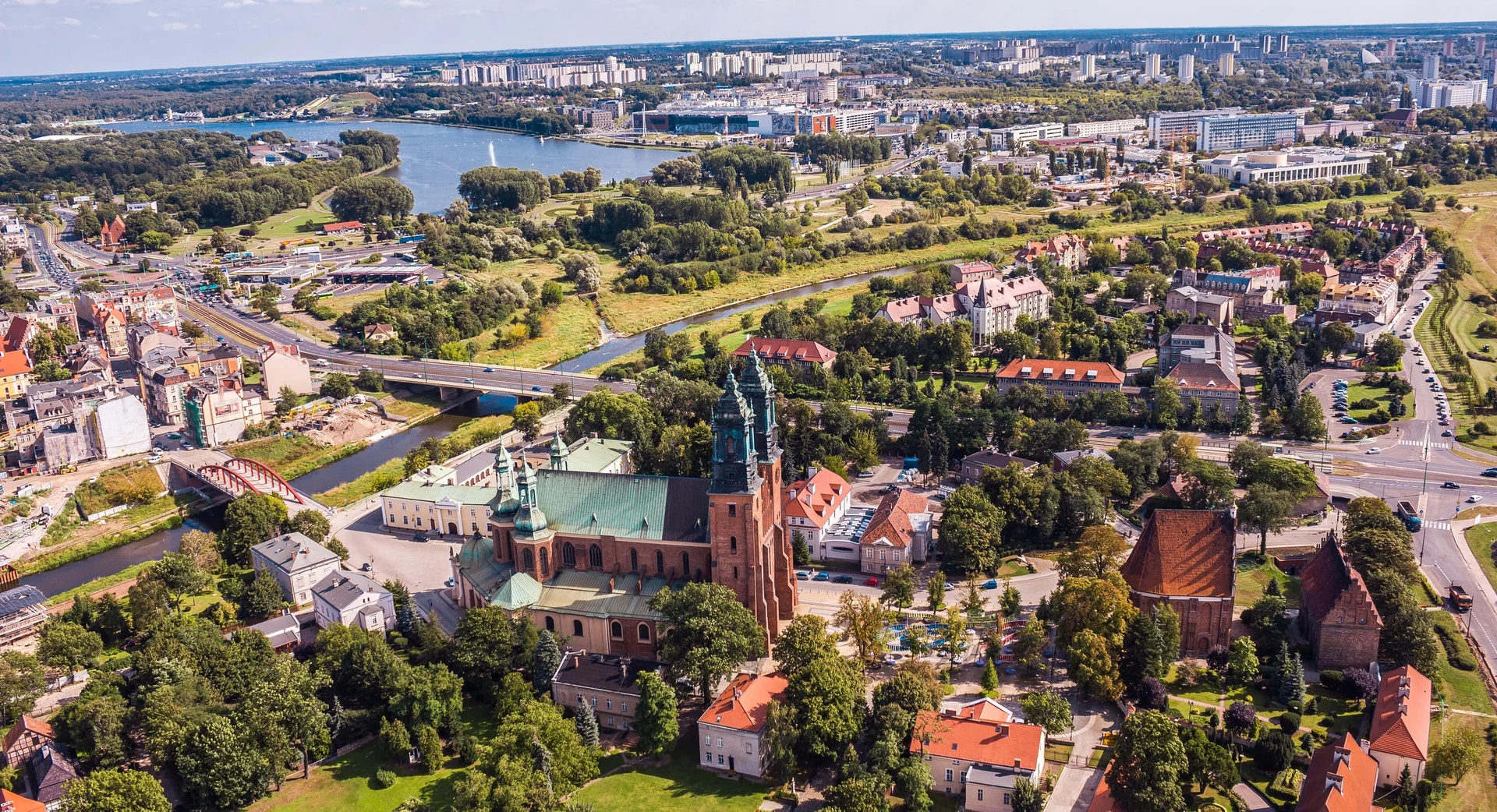
From Warsaw, head to Poznań, where Lewandowski’s career really took off. Lech’s stadium is one of the best places to see Polish fans in action. At one point, everyone turns their backs on the pitch, puts their arms around each other, and starts jumping; this is the famous “Poznań,” which you can still see in English stadiums today. In the club museum, trace the team’s path from local matches to European competitions.
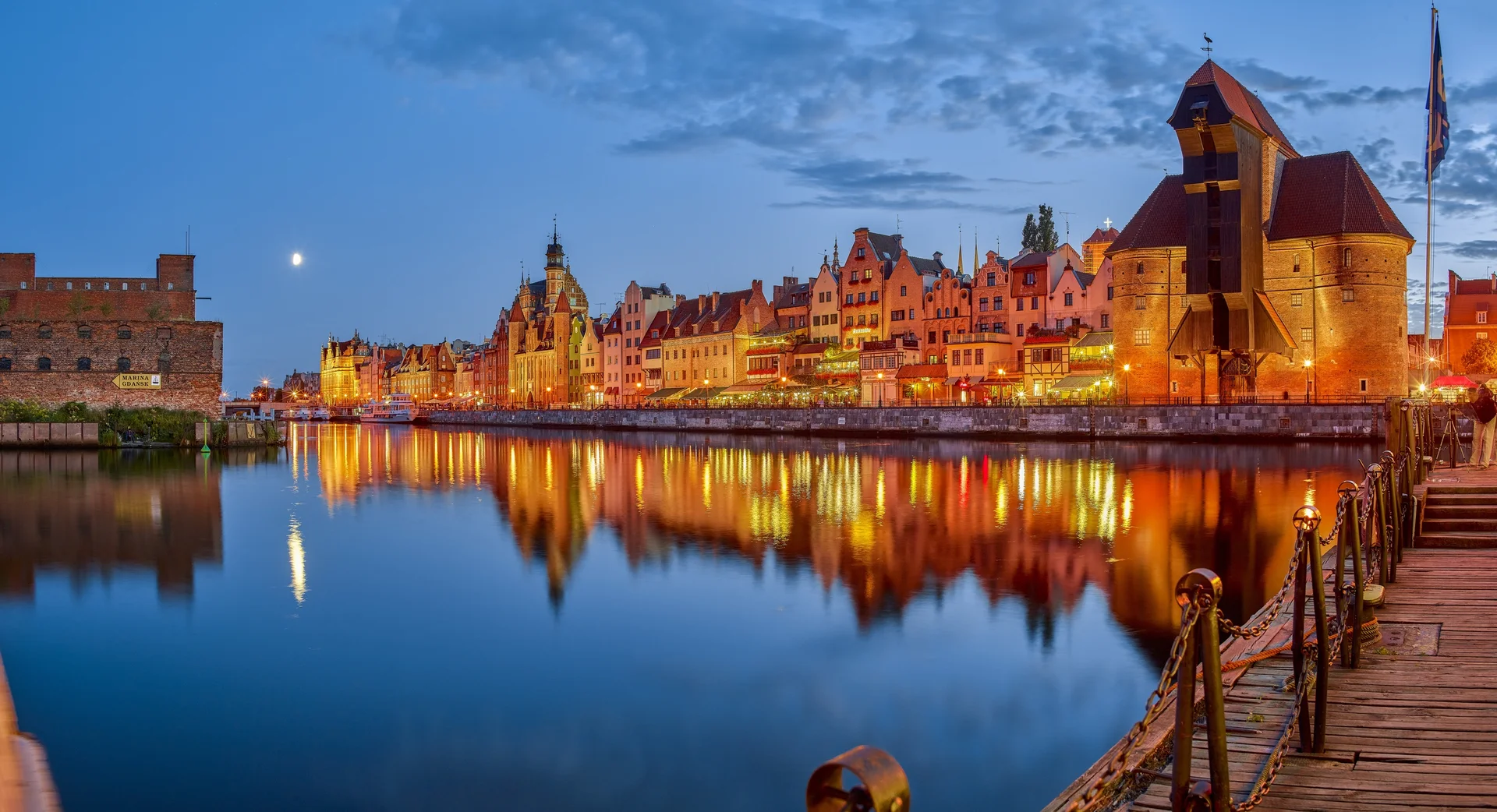
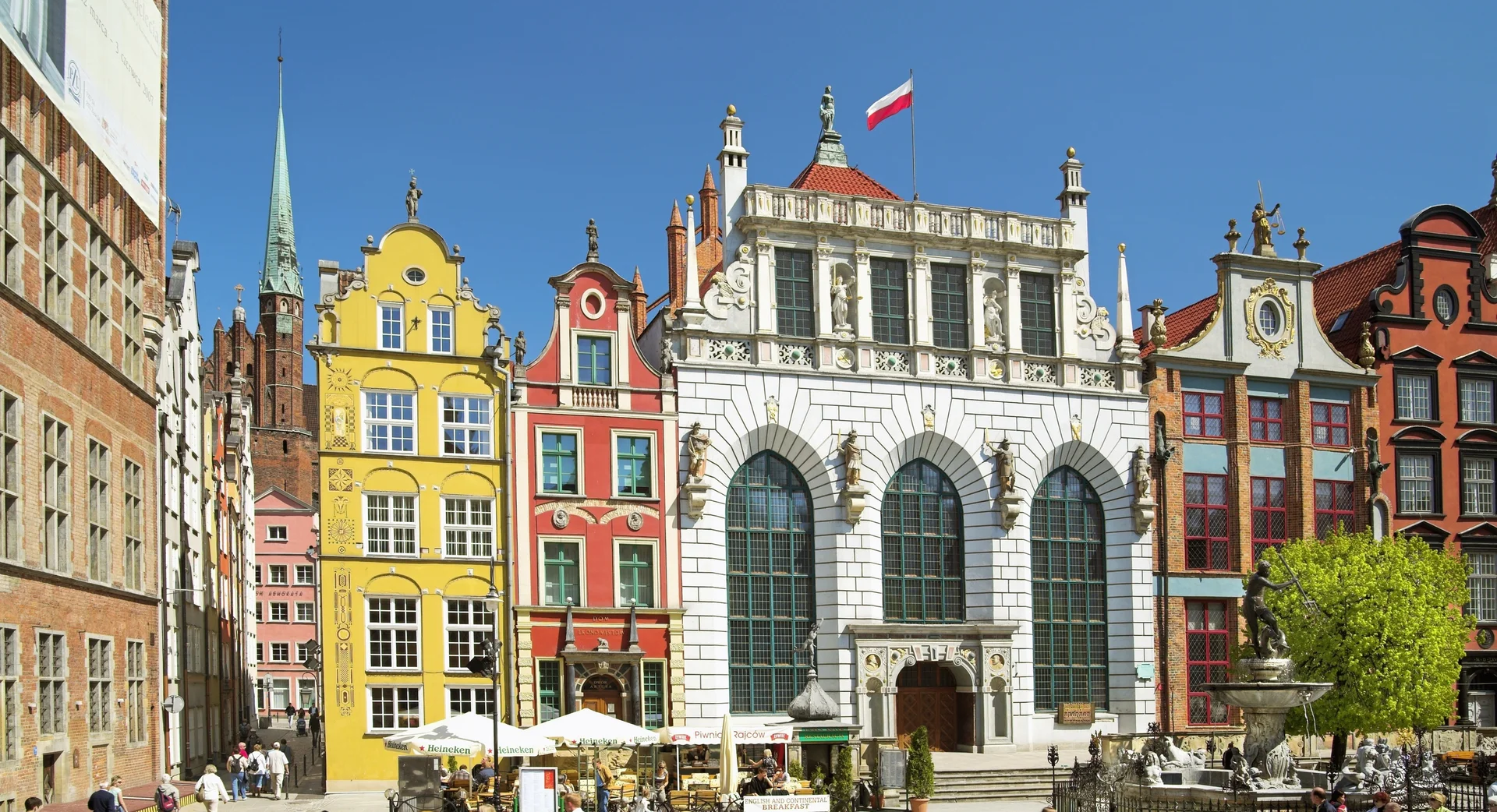
For a completely different atmosphere, head to Gdańsk for football by the sea. The stadium looks like a block of amber, and inside, you can go behind the scenes when there’s no game. A morning walk on the beach, an afternoon in the old town, an evening at the stadium…for planning a football weekend in a European town, it’s as easy as ABC.
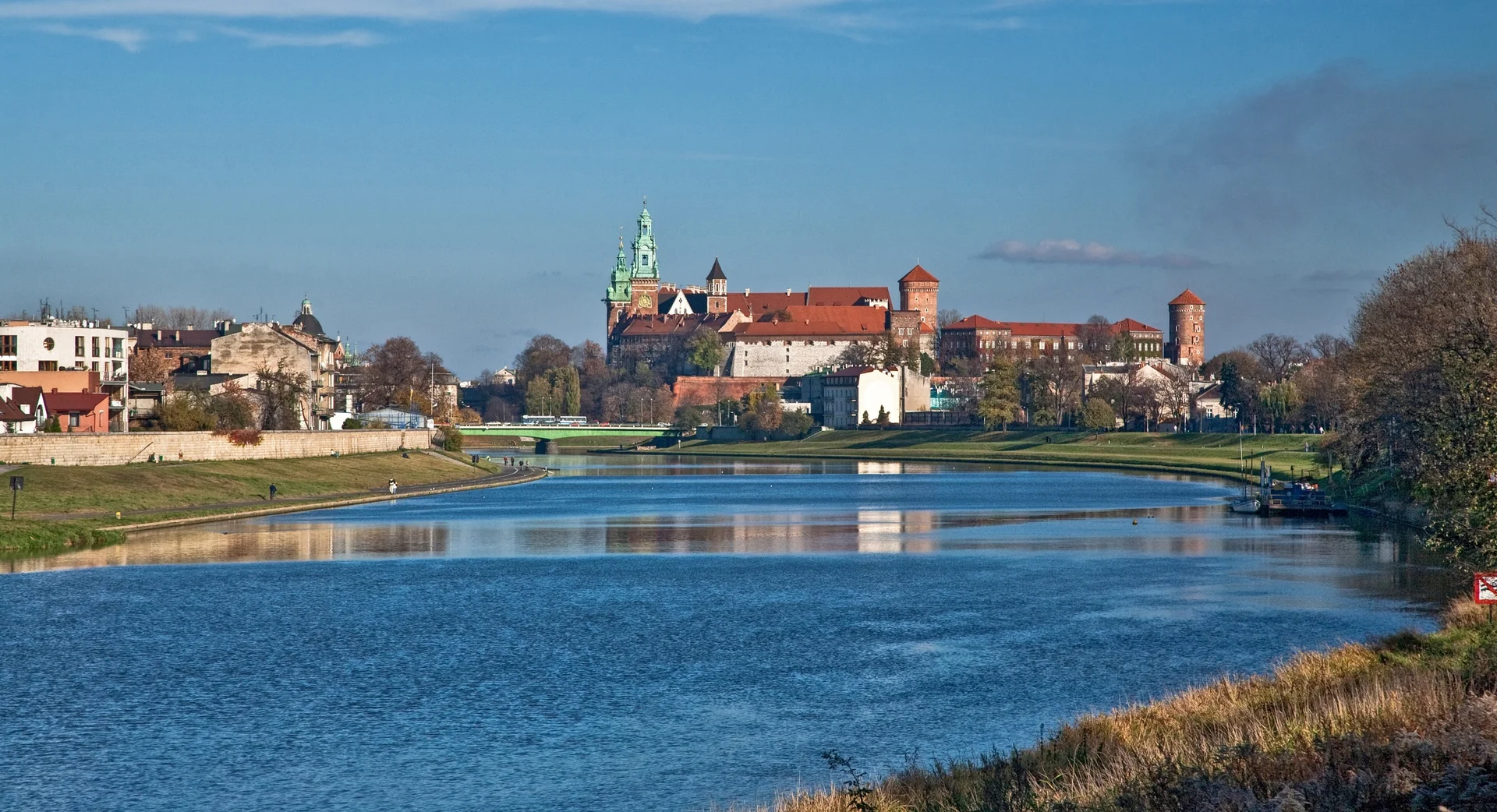
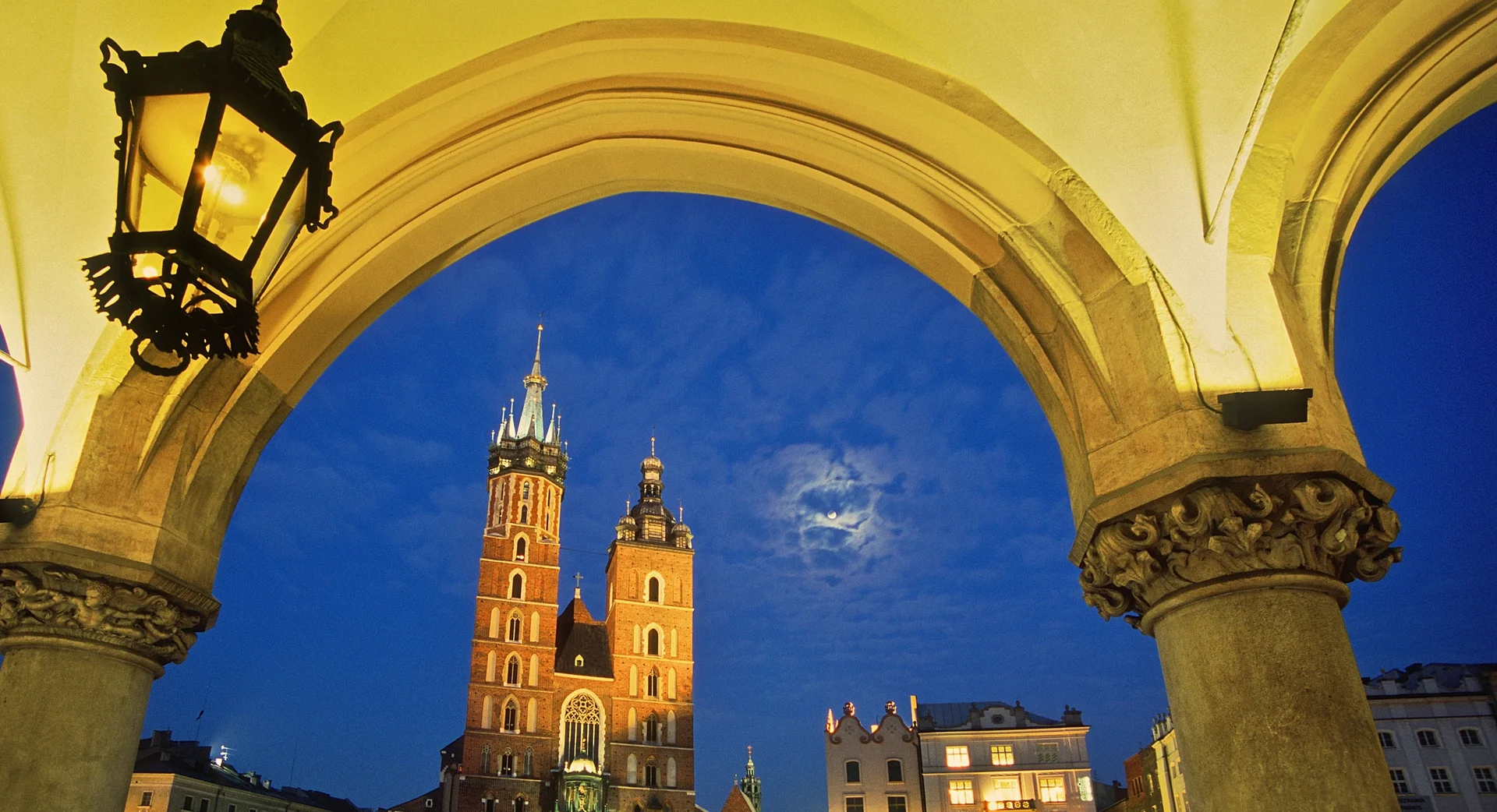
Kraków is another story, more classical and deeply traditional. The stadiums of Wisła and Cracovia are just a few minutes’ walk apart, but the history of their rivalry spans more than a century. The derby is more than just a match. Even on non-matchdays, you can feel this history in the air — in the club spaces, at the stadiums, and in fans’ conversations.
To understand where the strength of Polish football is formed, visit the Silesian Stadium in Chorzów. This is where the national team played its most important matches during its heyday. The stadium was dubbed the “Cauldron of Witches”, and it’s easy to imagine what that atmosphere was like back in those days.
Traveling through Poland in the footsteps of players and visiting stadiums, you’ll quickly see that football is as natural a part of its culture as its history, food, and city life.