Traveling through Poland is about discovering places and tasting the flavors that change with the landscape. Local cuisines are based on seasonality, simplicity and a close connection to nature, so each region’s traditions and stories are written into the food.
In the south, around Zakopane and the Tatra Mountains, flavors arise from shepherding traditions and the rhythm of mountain life. The most characteristic product is oscypek, a smoked sheep’s milk cheese, which carries a Protected Geographical Indication. Produced in mountain huts by using centuries-old methods, it tastes best when grilled and served with cranberry sauce. Once you’ve tasted it, you should also try bryndza podhalańska and bundz, which result from different stages of cheese production. The regional cuisine is also known for lamb dishes and kwaśnica — a robust, sour soup made with sauerkraut, perfect after a day spent on mountain trails.
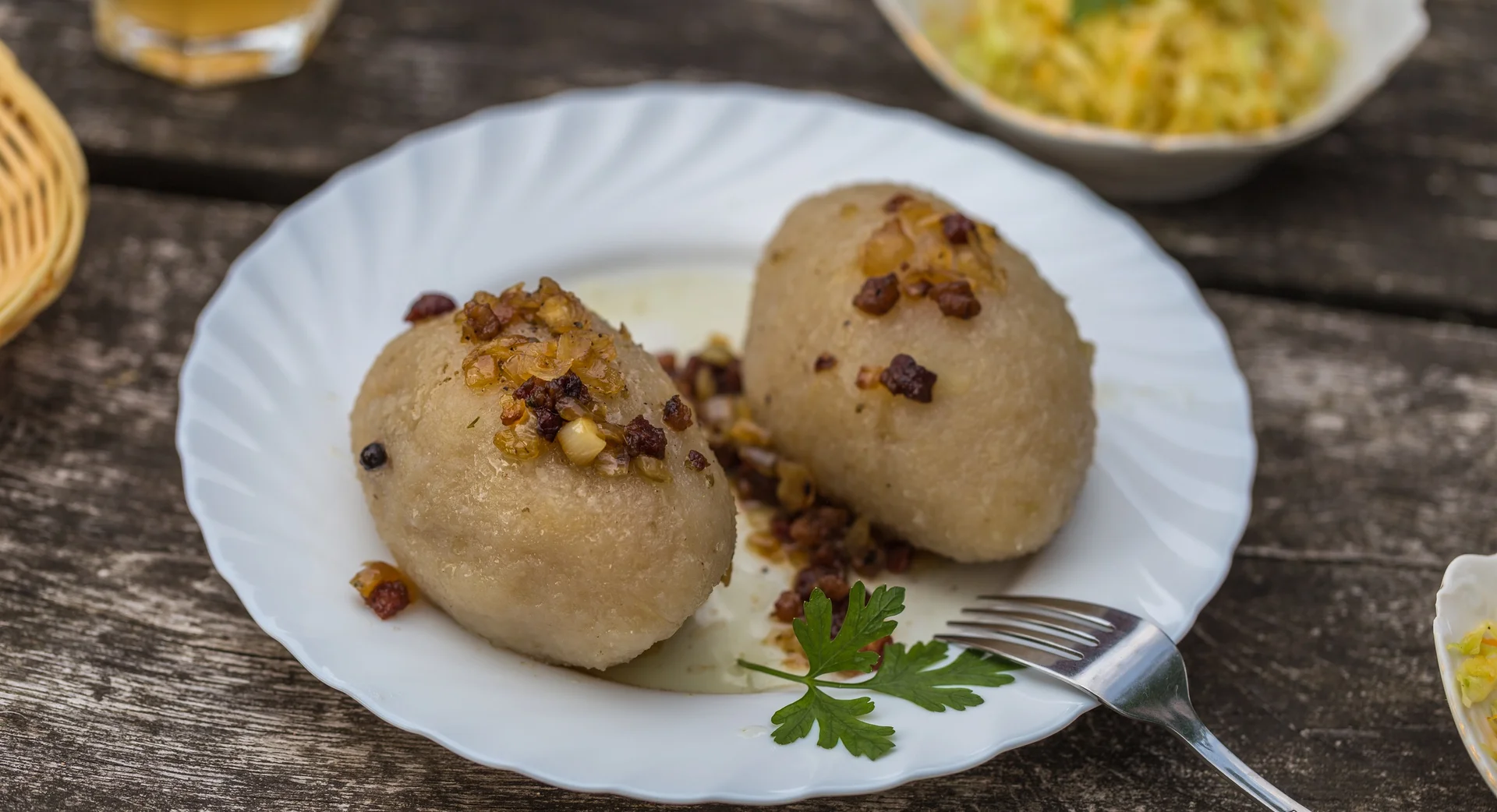
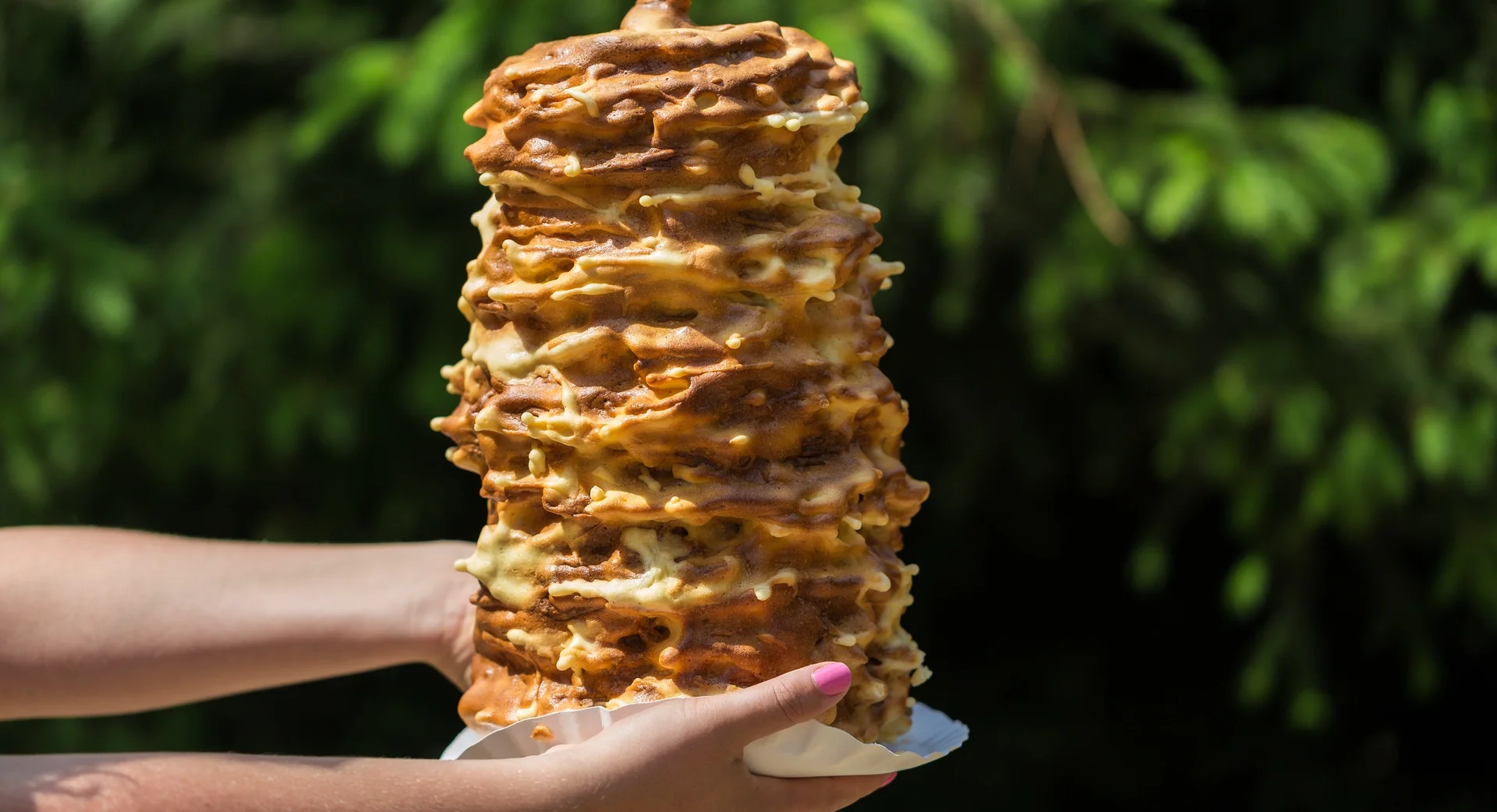
Moving to the northeast, to the Podlasie region yields gentler flavors. The handmade cow’s milk cheese koryciński is produced here, often with herbs, garlic or pepper added. It is one of the area’s most characteristic regional products. Podlasie cuisine also features kartacze — large, meat-filled potato dumplings — as well as kiszka ziemniaczana (potato sausage) and potato babka, baked from traditional recipes. For dessert, try sękacz, an impressive, layered cake baked over an open fire, or the less-known mrowisko (anthill), made from thin, crispy pieces of dough and honey. Often, you can visit local farms and taste these treats where they are made!
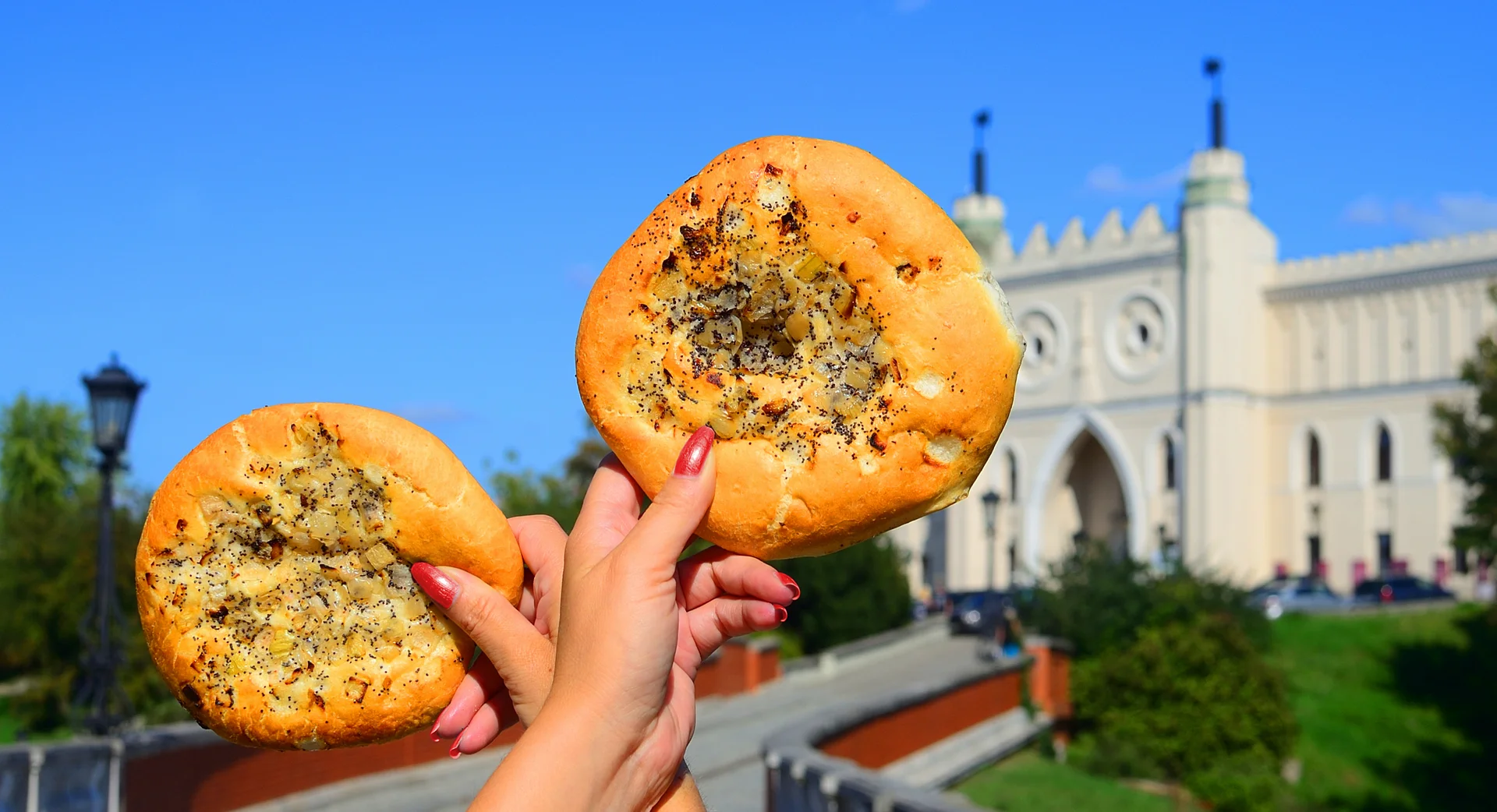
The Lublin Region, located in eastern Poland, remains one of the less-explored culinary regions, so it’s especially interesting for those seeking something new. Its symbol is the cebularz lubelski, a flatbread topped with onion and poppy seeds, also inscribed on the European Union protected products list. The region is also famous for pierogi filled with buckwheat groats and cottage cheese, as well as excellent honeys. Based on local ingredients and centuries-old traditions, it is a simple but flavorful cuisine.
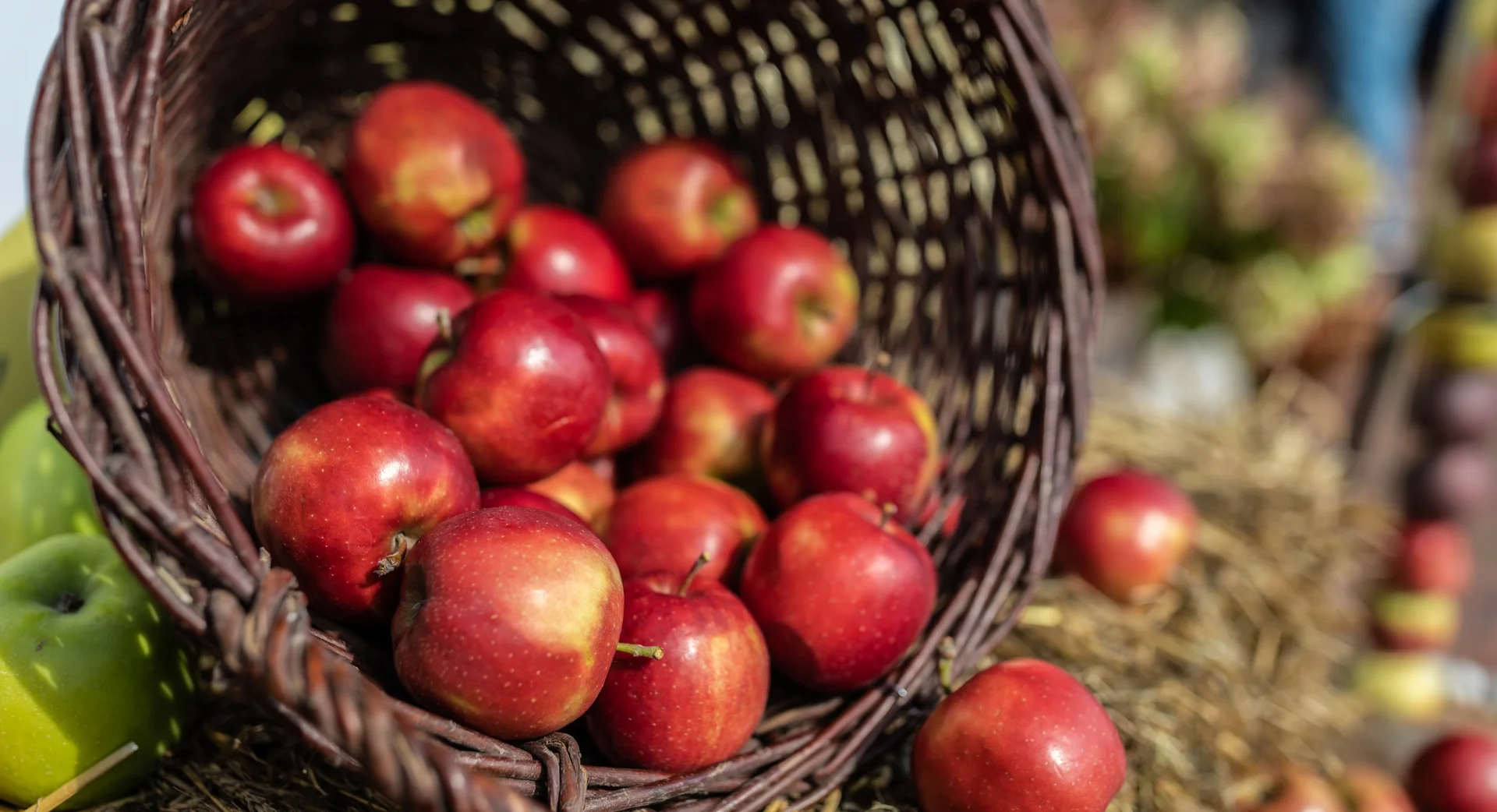
In central Poland’s Mazowsze region, simple seasonal flavors dominate. Poland is one of the largest apple producers in Europe, and the area around Grójec is its symbolic center. Apples are enjoyed as a fresh snack, in traditional desserts, natural juices, and craft ciders. Dishes made from seasonal vegetables and grains, and local honeys are also popular.
In western Poland’s Wielkopolska region, home-style flavors prevail. The region is famous for potatoes, locally called pyry. One of the most characteristic dishes is pyry z gzikiem — boiled potatoes served with cottage cheese, sour cream, and herbs. Goose is another important element of the culinary tradition, especially popular in autumn. For dessert, sample a rogale świętomarcińskie (St. Martin’s croissant), which, like many other Polish products, has protected geographical area status.