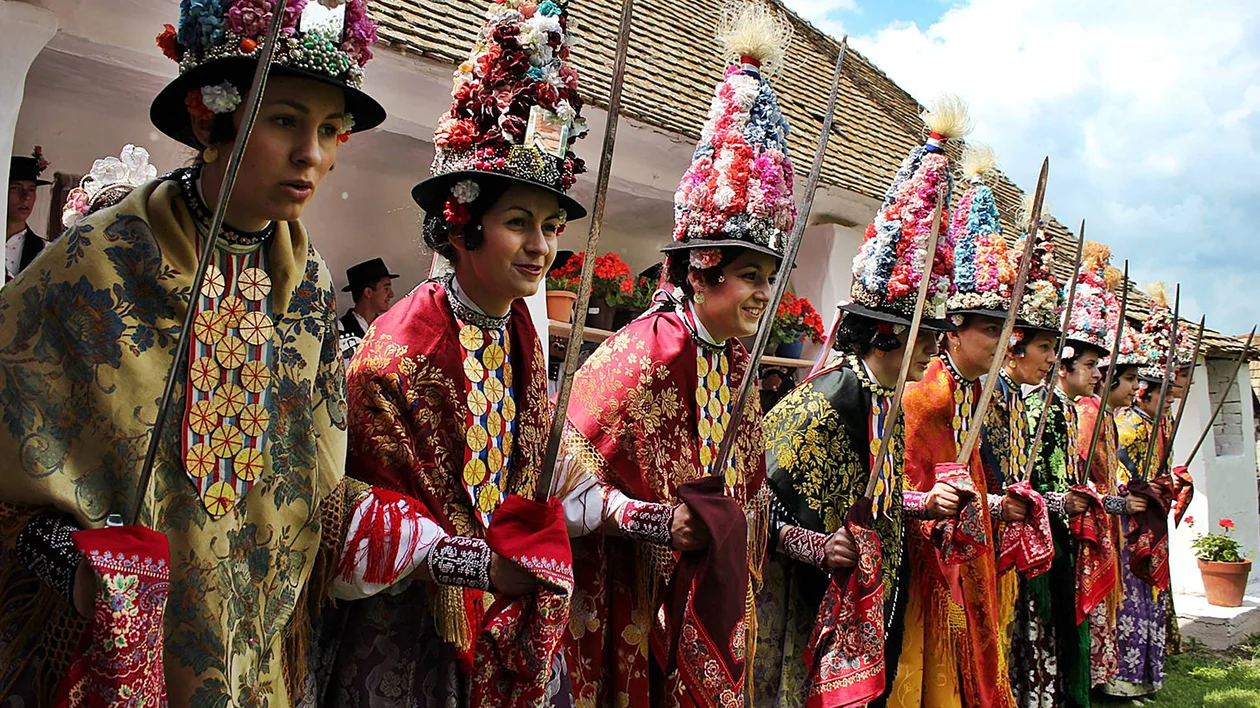
Follow the Danube through eastern Croatia and history appears in many forms: an ancient culture beside the river, Baroque streets, medieval walls, aristocratic estates and music still played at celebrations today. Vukovar, Ilok, Osijek and Đakovo make this a journey through heritage that is not simply preserved, but lived.
Discover Vukovar on the Danube
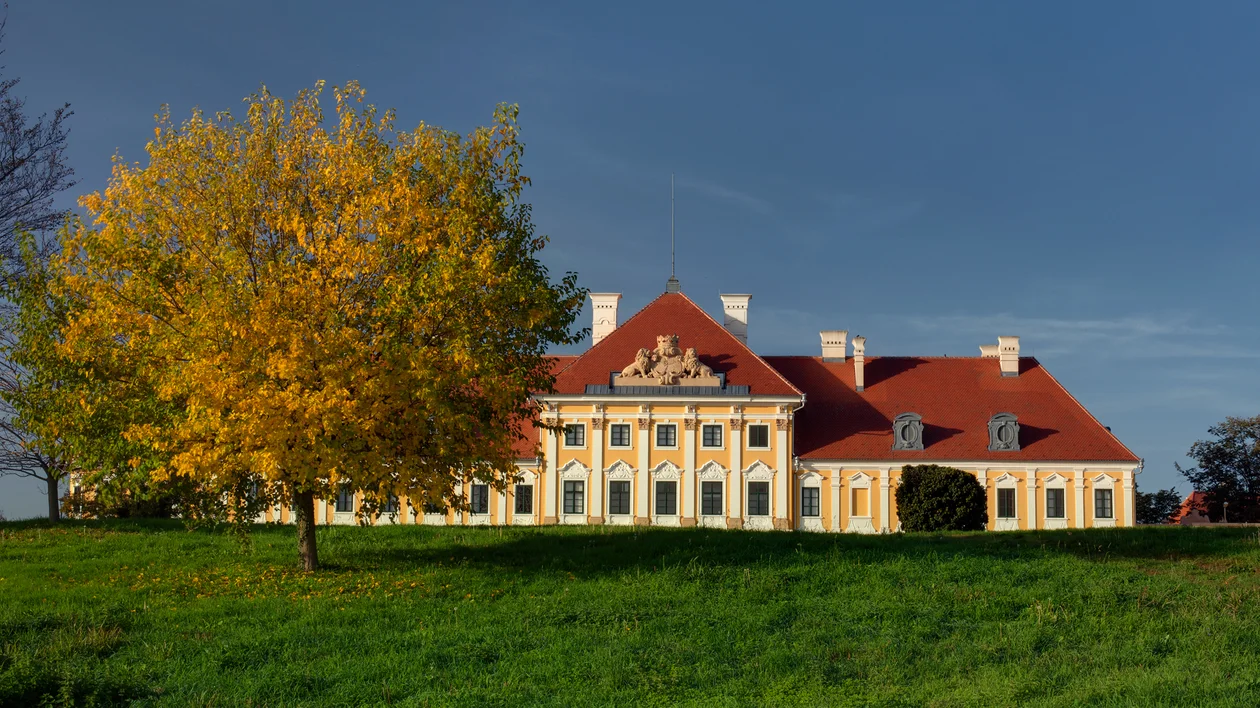
Begin in Vukovar, where the Danube is part of the city's identity. Walk the riverfront and historic centre before visiting Eltz Manor, an elegant Baroque complex that houses the Vukovar Municipal Museum.
Vukovar also carries powerful memories of Croatia's recent history. Exploring the city with time and context reveals a place shaped by many periods and communities, but also by contemporary life returning to the banks of the Danube.
Travel back to Vučedol
Just downstream, Vučedol takes the story thousands of years further into the past. The archaeological site gave its name to the Vučedol culture, one of the most significant prehistoric cultures of this part of Europe.
Visit the Vučedol Culture Museum to discover its distinctive ceramics, metalworking, beliefs and everyday life. Its location above the Danube is important to the story: long before modern borders, the river was already a route for people, ideas and trade.
Walk through historic Ilok
Continue east to Ilok, Croatia's easternmost Danube town. Its hilltop historic centre combines medieval walls, wine cellars, religious heritage and views across the river and surrounding vineyards.
Walk through the old town to Odescalchi Castle, visit the Church and Sanctuary of St. John of Capistrano and explore the historic cellars beneath the hill. Ilok is small enough to discover slowly, leaving time for a local wine or meal before continuing along the Danube.
Explore Osijek’s Tvrđa
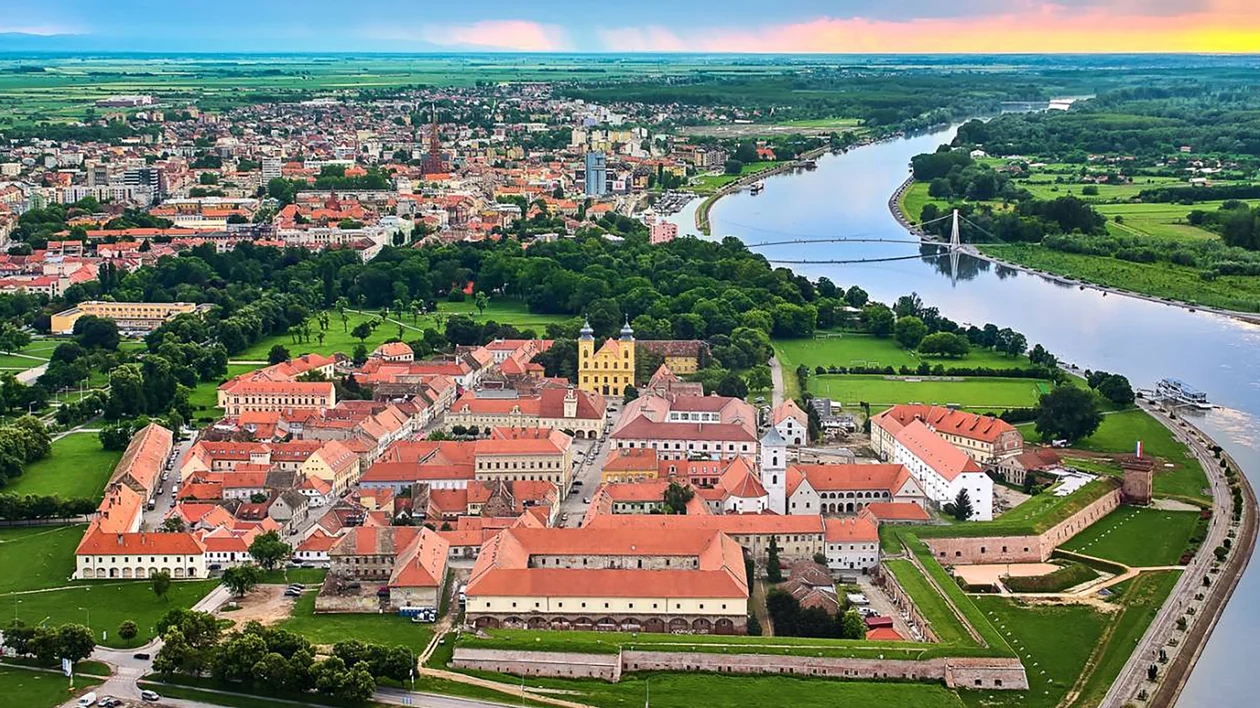
On the Drava, close to its meeting with the Danube, Osijek adds another layer to the journey. Its historic Tvrđa district grew around an 18th-century Habsburg fortress and today combines Baroque architecture with university life, cafés and cultural spaces.
Walk the old streets before heading to the Drava promenade. Osijek shows particularly well how historic quarters can remain part of everyday city life rather than becoming museum pieces.
Experience Slavonia through music and dance
Travel inland to Đakovo, where the twin towers of the cathedral rise above the Slavonian plain. The town is also a gateway to traditions expressed through costumes, horses, festivals, music and dance.
Listen for the sound of the tamburica, the string instrument at the heart of much of Slavonia's traditional music. Local folklore performances bring music, dance and embroidered costumes together, turning cultural heritage into something visitors can hear and experience rather than simply observe.
Time a visit with a local cultural event and the experience becomes even more personal: heritage here still belongs to communities, families and celebrations.