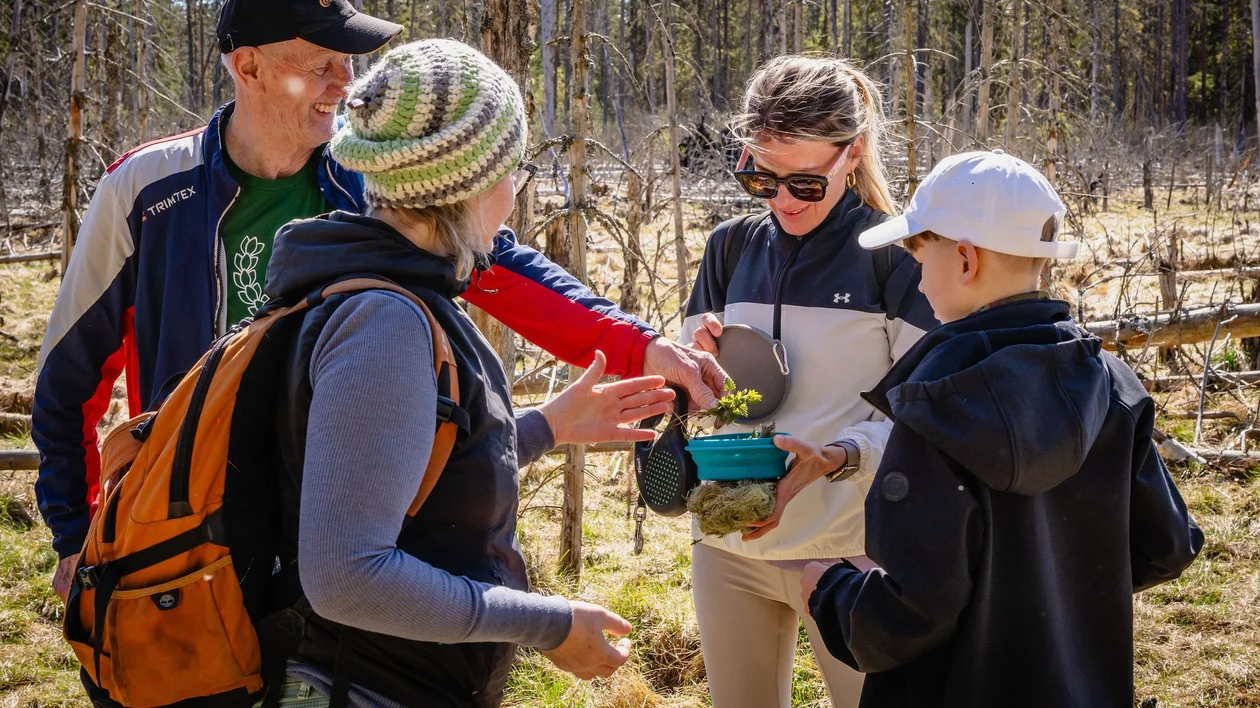
Springtime in Estonia means the country is awakening after a long winter. With the mild temperatures and extended daylight hours, flowers burst into bloom and the forests turn bright green. The season typically begins in April, with peak blooming occurring in May and early June.
However, springtime in Estonia still feels like a secret: you don’t have to jostle for space at flower-filled gardens, historic manor homes, or lively festivals.
Celebrating spring in Central Estonia
Türi Flower Fair is said to mark the real start of spring in Estonia. This charming fair brings together local gardeners, flower enthusiasts, and families eager to begin the growing season. Those with a green thumb can browse an impressive array of seedlings, flowering plants, and gardening supplies while children get the wiggles out in the bouncy castles.
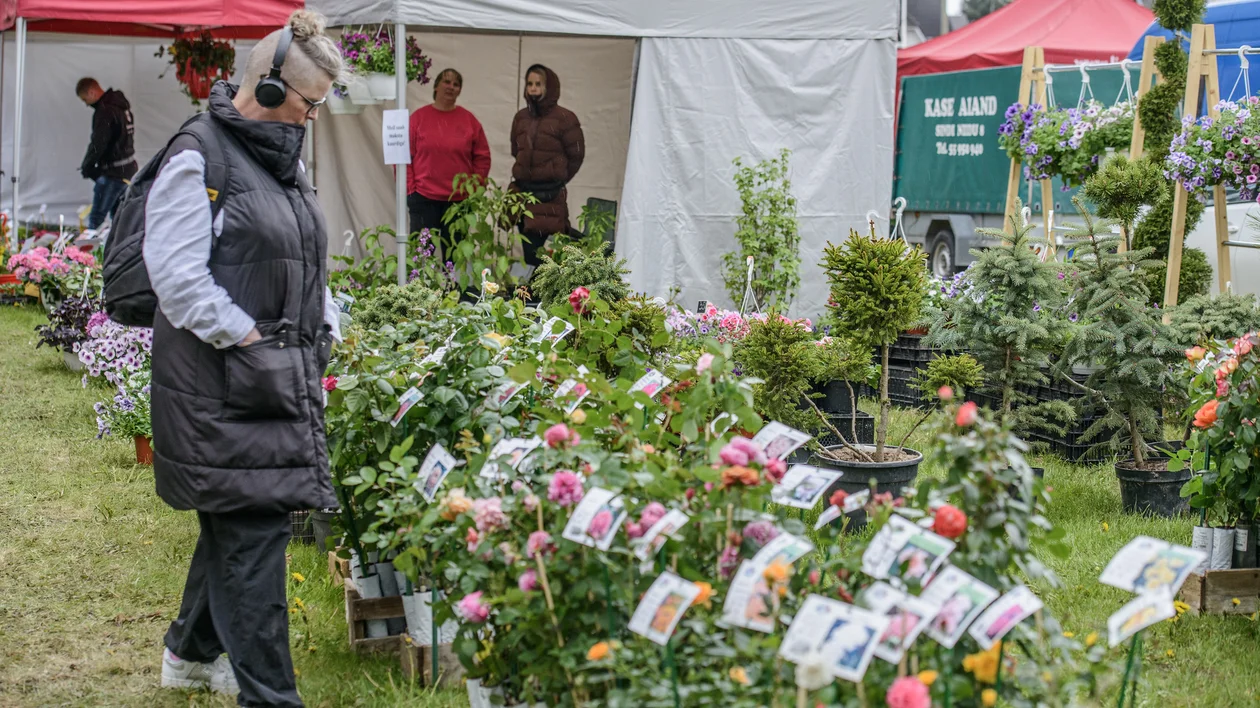
While food stands at the fair offer plenty of opportunities to try traditional Estonian food, you can also enjoy a more leisurely meal at Café Ajatu, a restaurant in Türi recommended by the White Guide Nordic. Treating yourself to baked goods at Samliku Pekkeri is another way to taste local foods and support local farmers who bake with organic Estonian flour.
Nestled in the Estonian countryside, Kirna Manor is a historic estate that showcases how Estonian landowners once cultivated elaborate garden spaces.
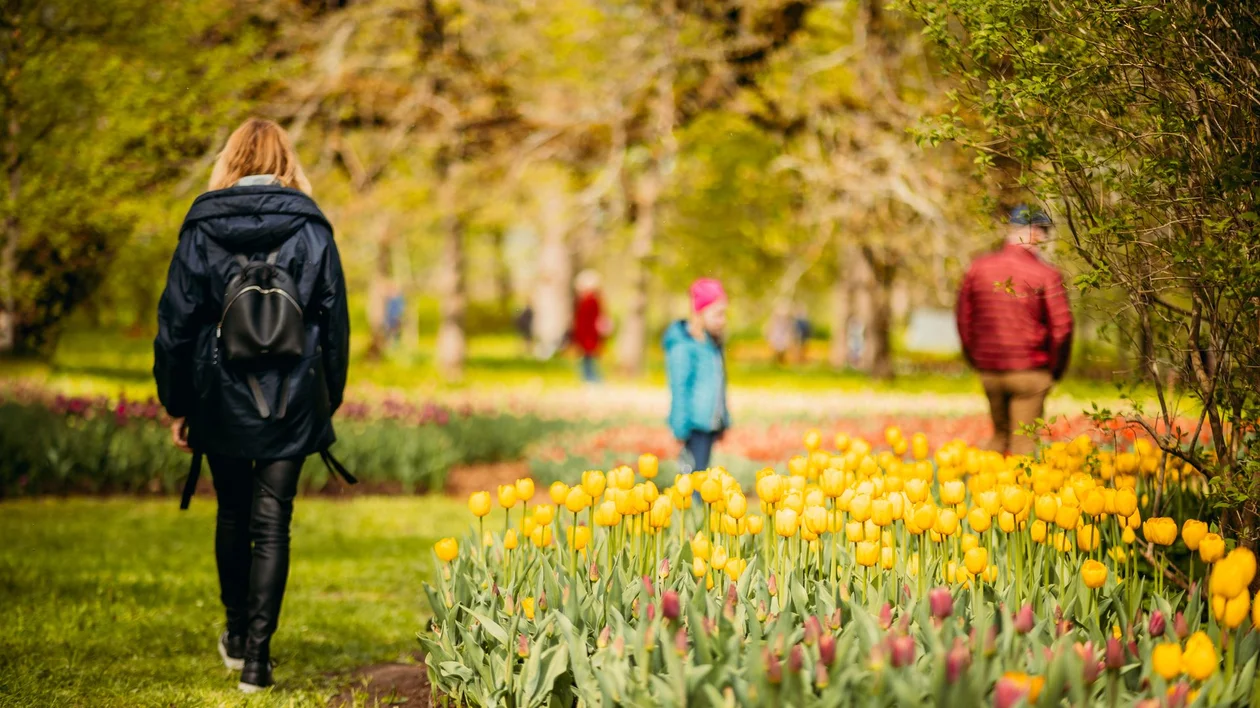
The manor's grounds are covered with carefully maintained tulip beds that burst into color every spring. It is said that the manor lies over ancient energy lines, so while you’re admiring the tulips, you can also meditate and clear your mind. Kirna’s Tulip Festival begins in early May and lasts 3-4 weeks, depending on the weather.
Tip: Kirna and Türi lie along the Pärnu River, so why not visit both on a springtime canoe trip? It’s a truly sustainable way to travel!
May Day and foraging near Tallinn
Like many countries around the world, May 1st is a holiday in Estonia. The Open Air Museum in Tallinn celebrates the arrival of spring with a special fair featuring handicrafts and traditional food. While you’re there, you can learn more about the country’s rural roots at reconstructed farms and historic homes from around Estonia.
As the snow melts and the soil warms, the countryside reveals treasures like wild garlic, nettles, and various edible flowers. You can go foraging about an hour from Tallinn with a local guide who can teach you to identify edible plants while sharing stories about traditional Estonian cuisine and folk medicine.
Secret springtime tip for the adventurous: There is a field of wild daffodils growing in a village on the road between Tartu and Lake Peipsi. They originated from a bulb brought from Saare Manor by local landowner Peep Sibul (whose last name, fittingly, means “onion” in Estonian) at the end of the 19th century. They usually begin blooming in mid-April, and the bright yellow blossoms attract photographers from around the country.