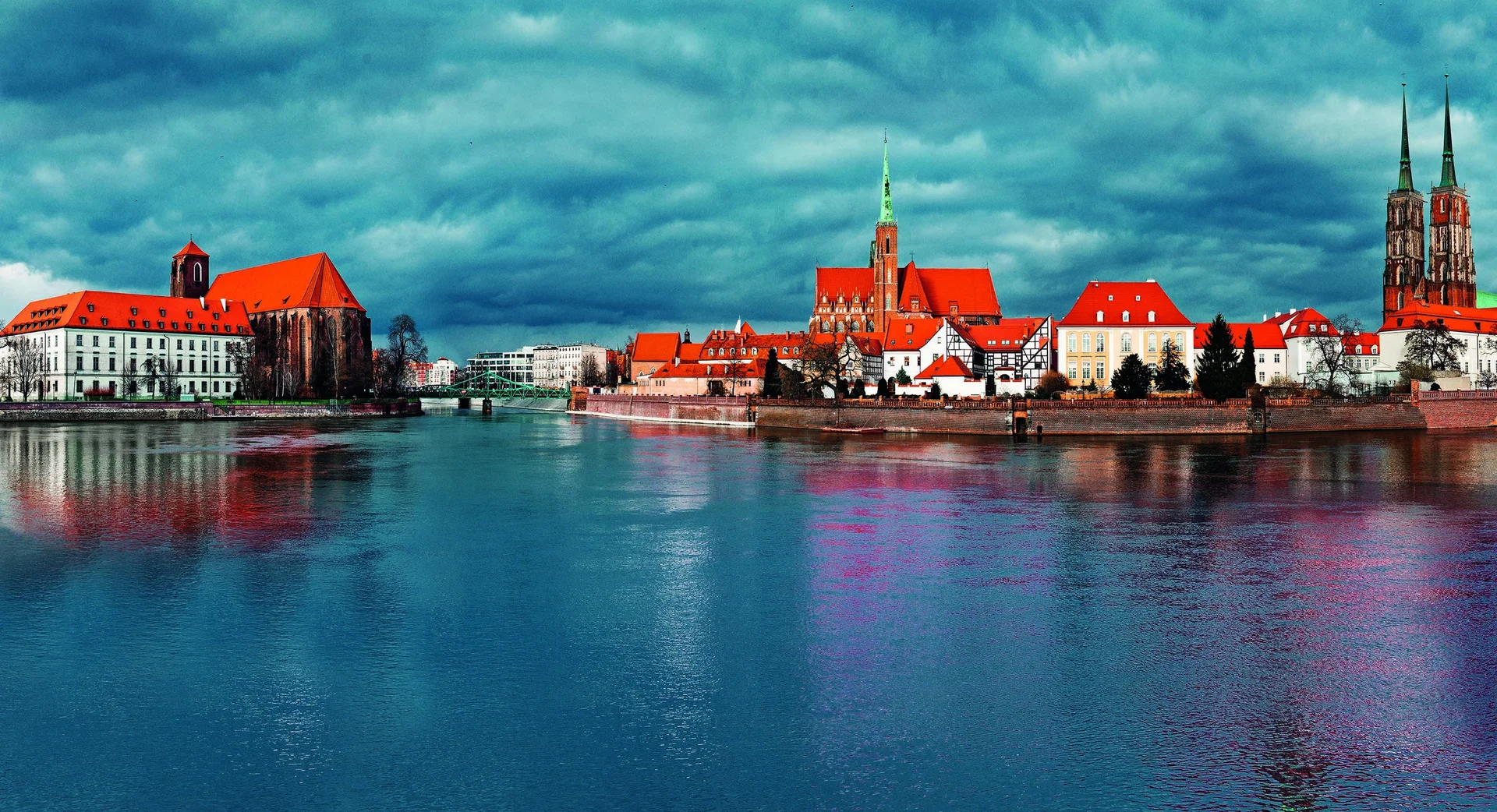
Discover Poland’s creative cities this fall, from former factories filled with art to concert halls, independent bookshops, and inventive restaurants. Alongside historic old towns, Łódź, Katowice, Gdynia, Kraków, and Wrocław offer opportunities to connect with the artists, filmmakers, musicians, designers, and chefs shaping contemporary Polish culture.
Łódź: film, design, and factory heritage
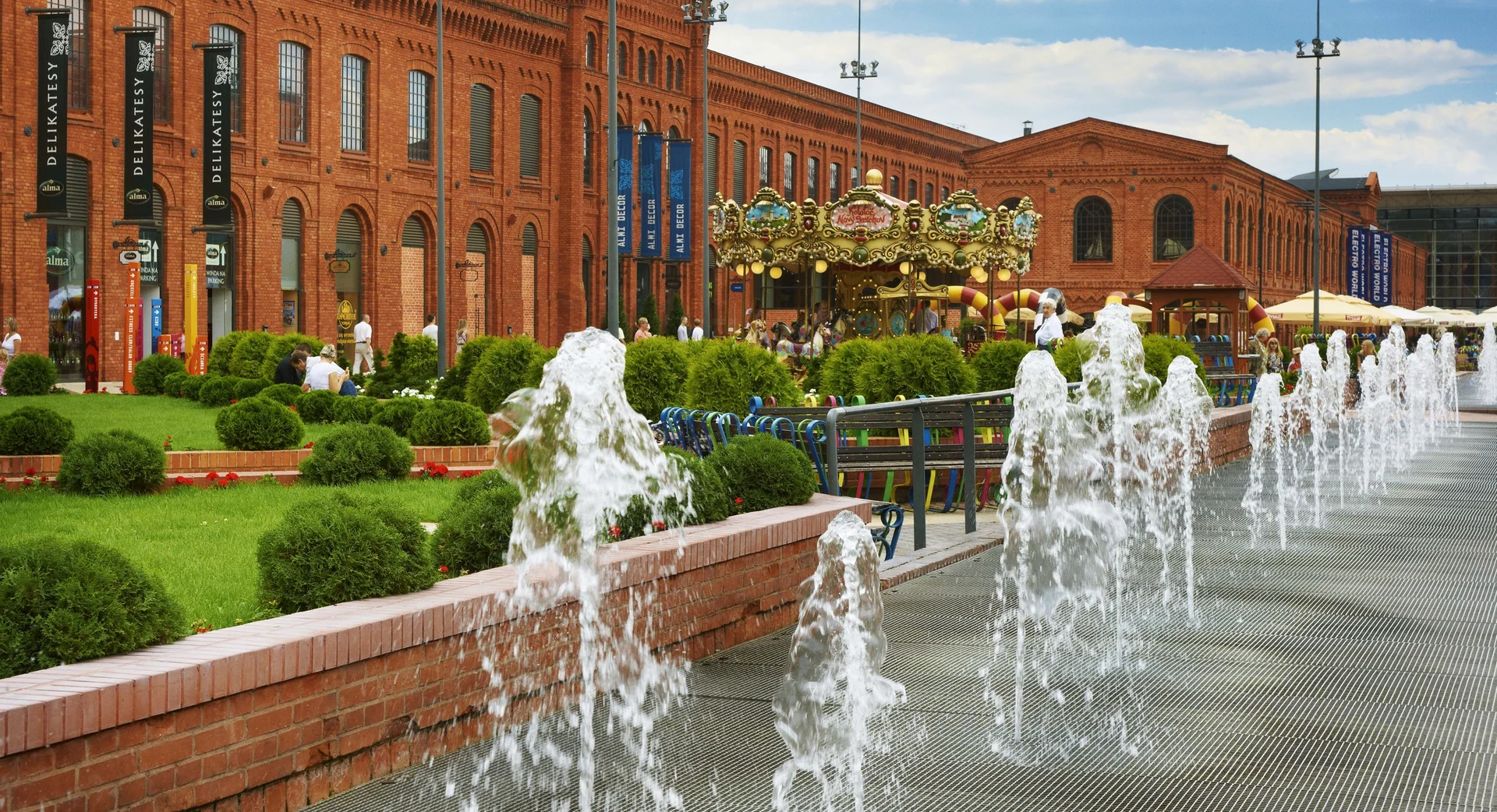
Start in Łódź, a UNESCO City of Film and former textile industry powerhouse. Red-brick factories, industrialists’ mansions, and workers’ housing estates reveal the city’s manufacturing past and multicultural history.
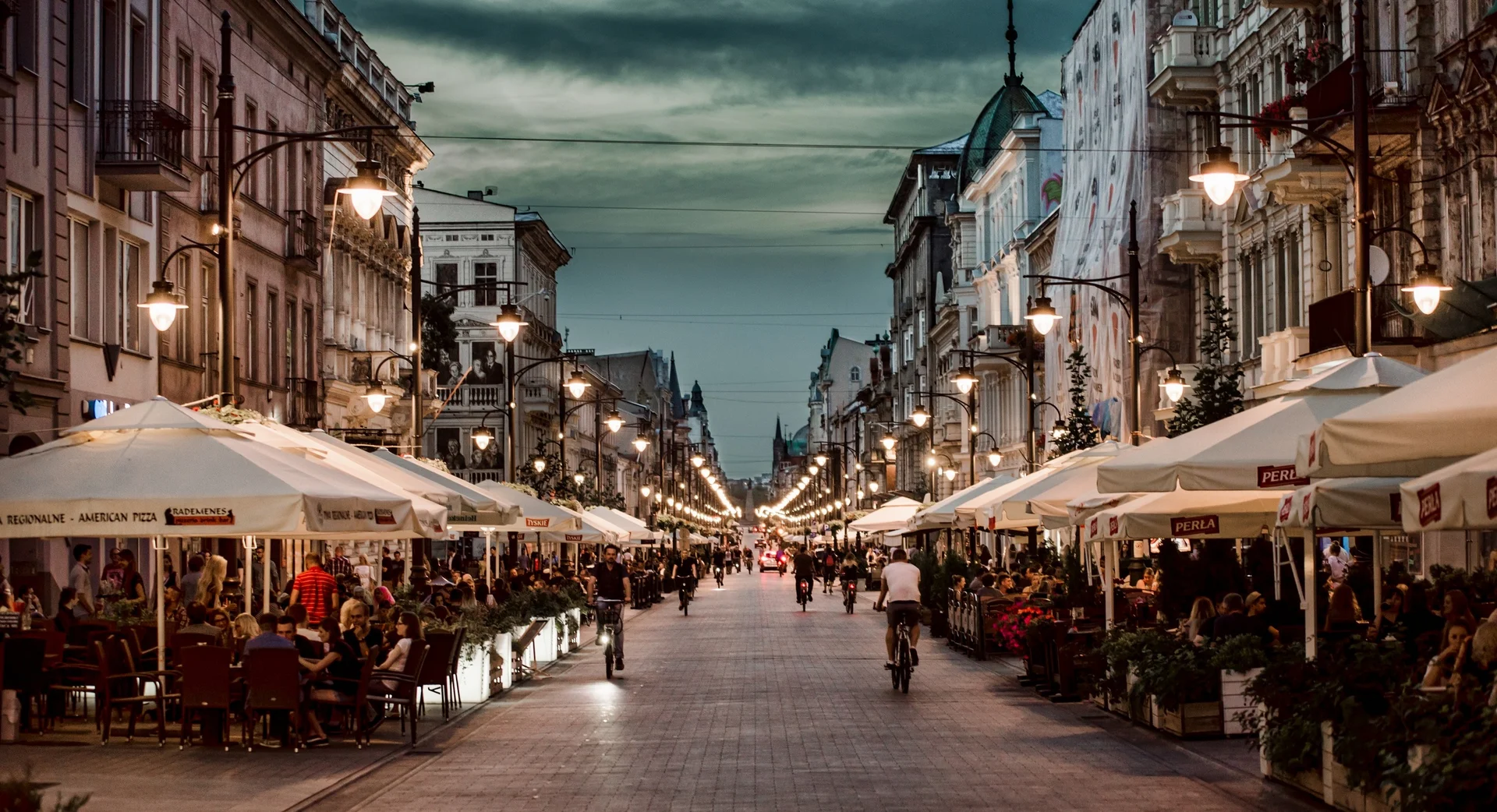
Stroll along Piotrkowska Street, then visit the Central Museum of Textiles in Ludwik Geyer’s White Factory. Here, the city’s industrial heritage meets the creativity of textile art.
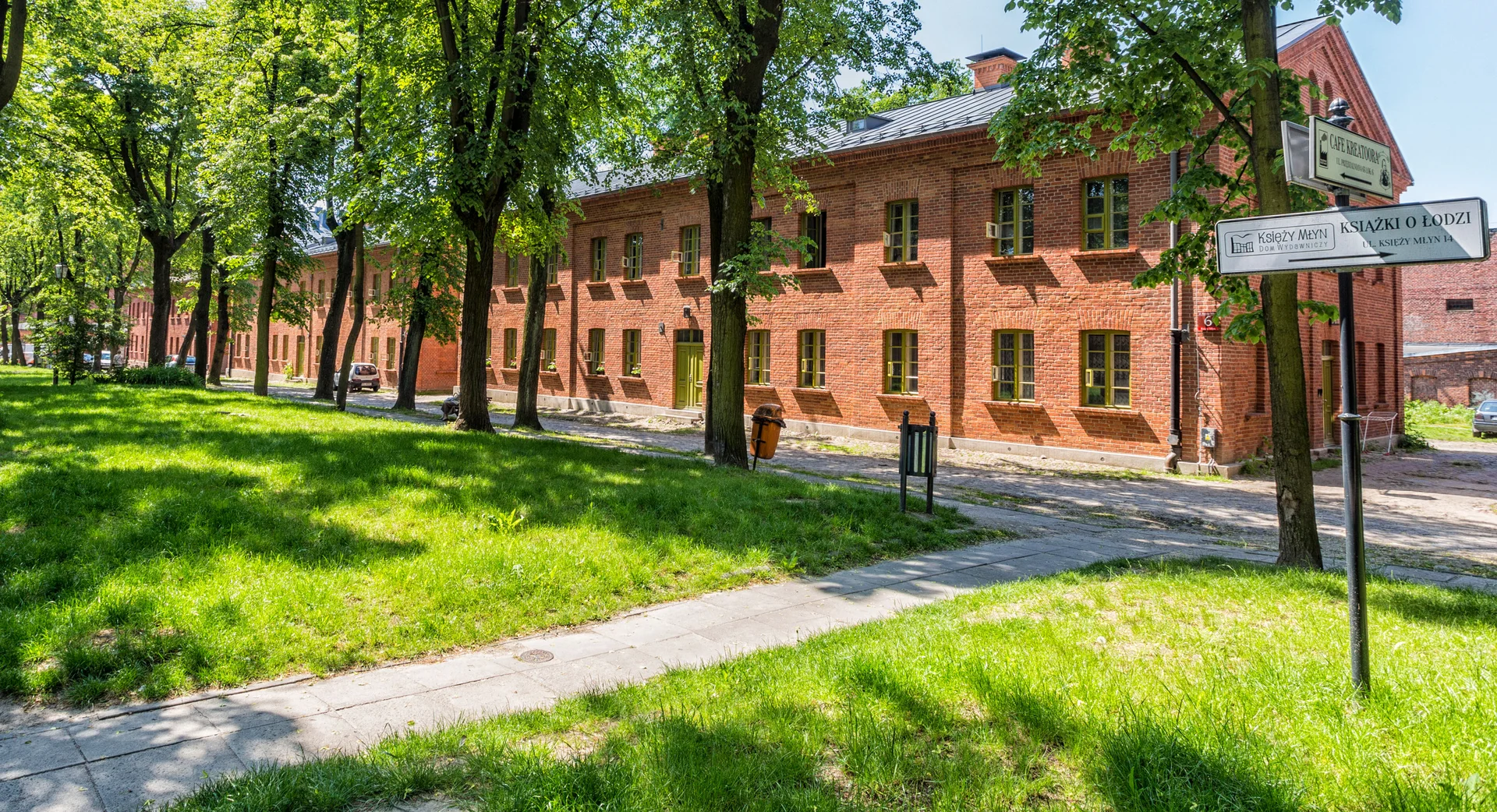
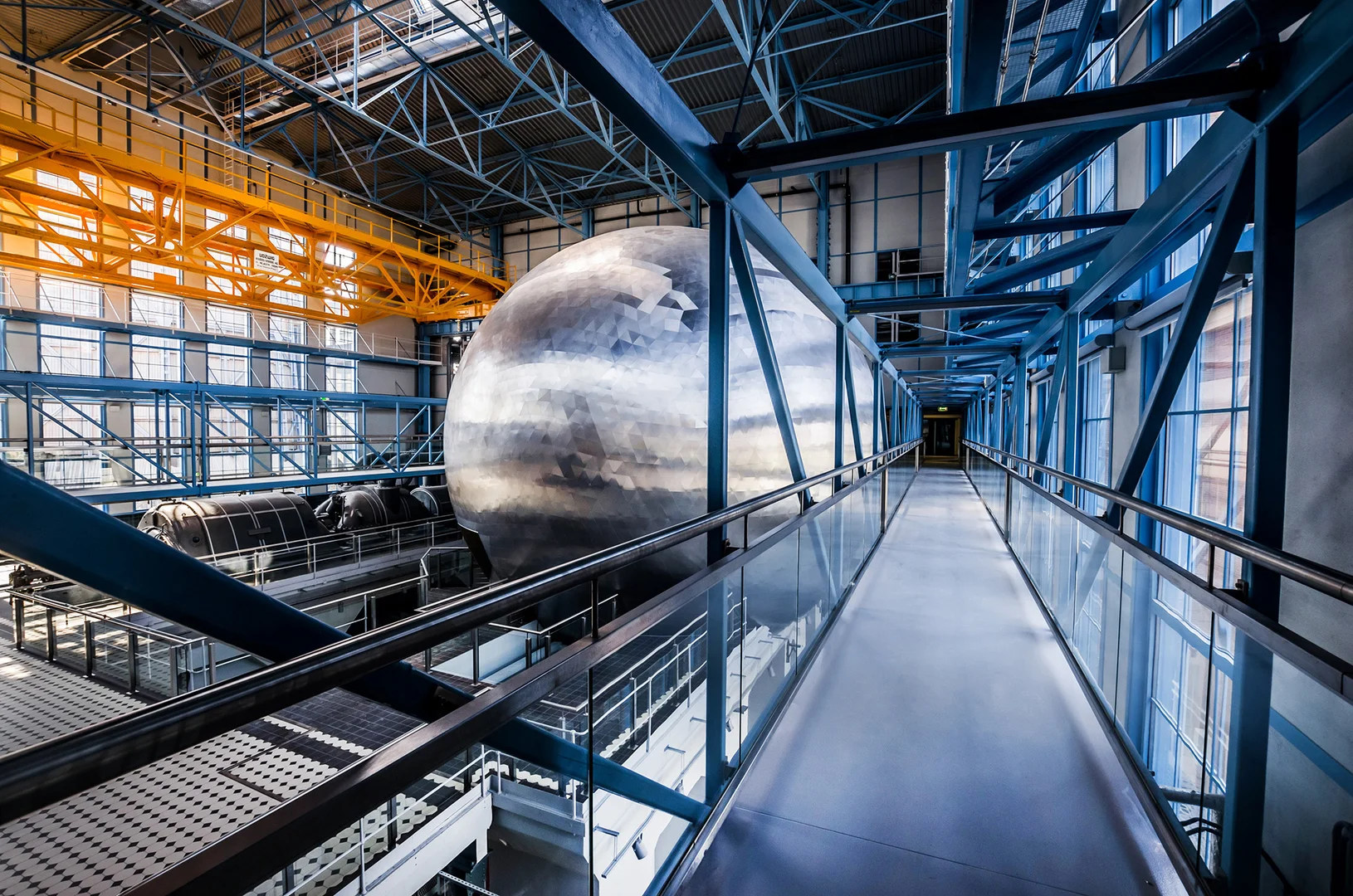
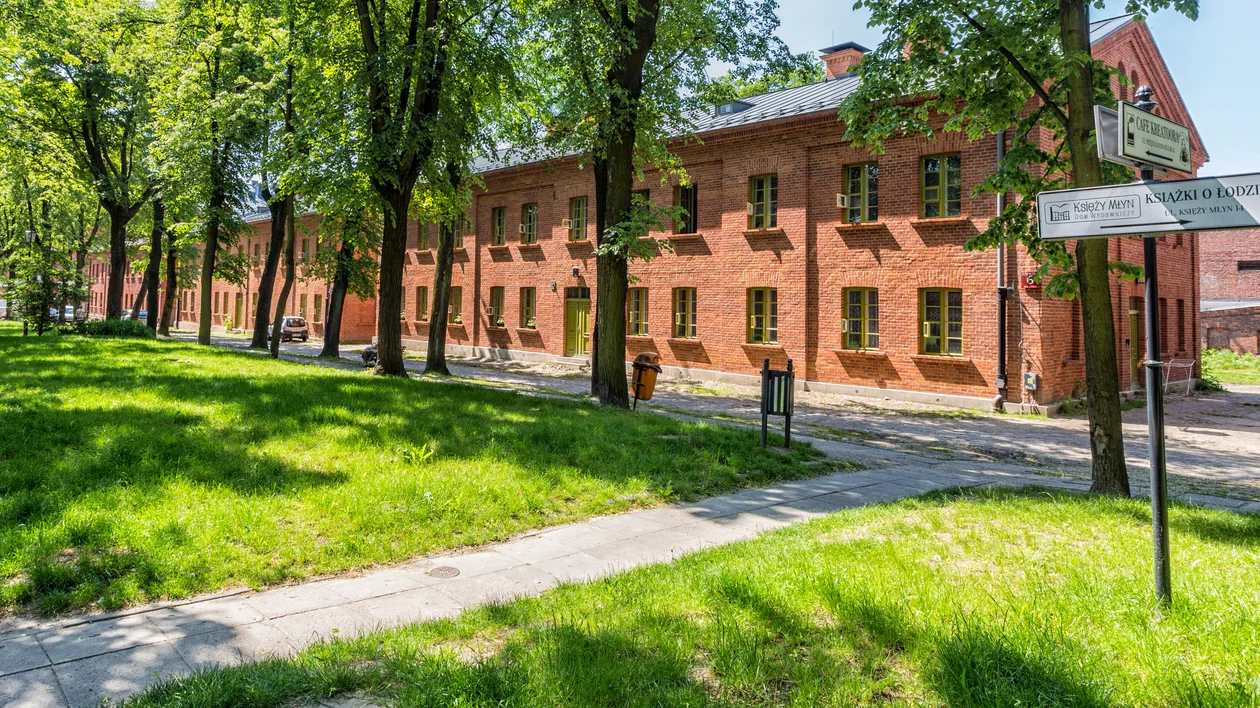
Make time for Księży Młyn, the former factory and residential complex of industrialist Karol Scheibler. Its architecture, cafés, and studios reward a slower walk. Continue to EC1, home to the National Center for Film Culture, to explore the city’s cinematic connections. Design, fashion, murals, and independent initiatives offer more reasons to keep exploring.
Katowice: music and culture beyond the mines
Katowice, a UNESCO City of Music, brings a different rhythm to your trip. Once closely associated with mining and heavy industry, the city now draws visitors to concert halls, museums, and cultural spaces that build on that heritage.
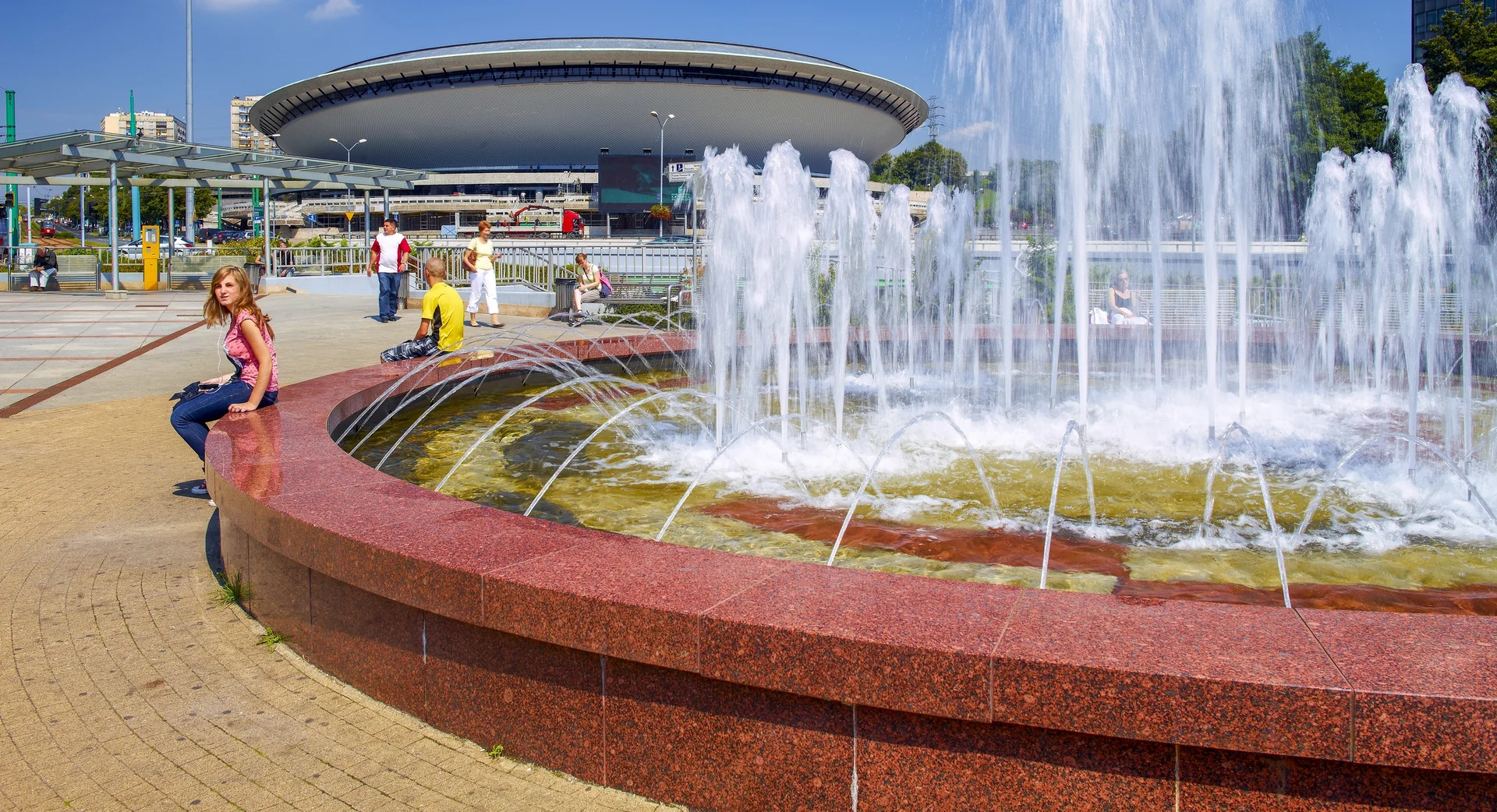
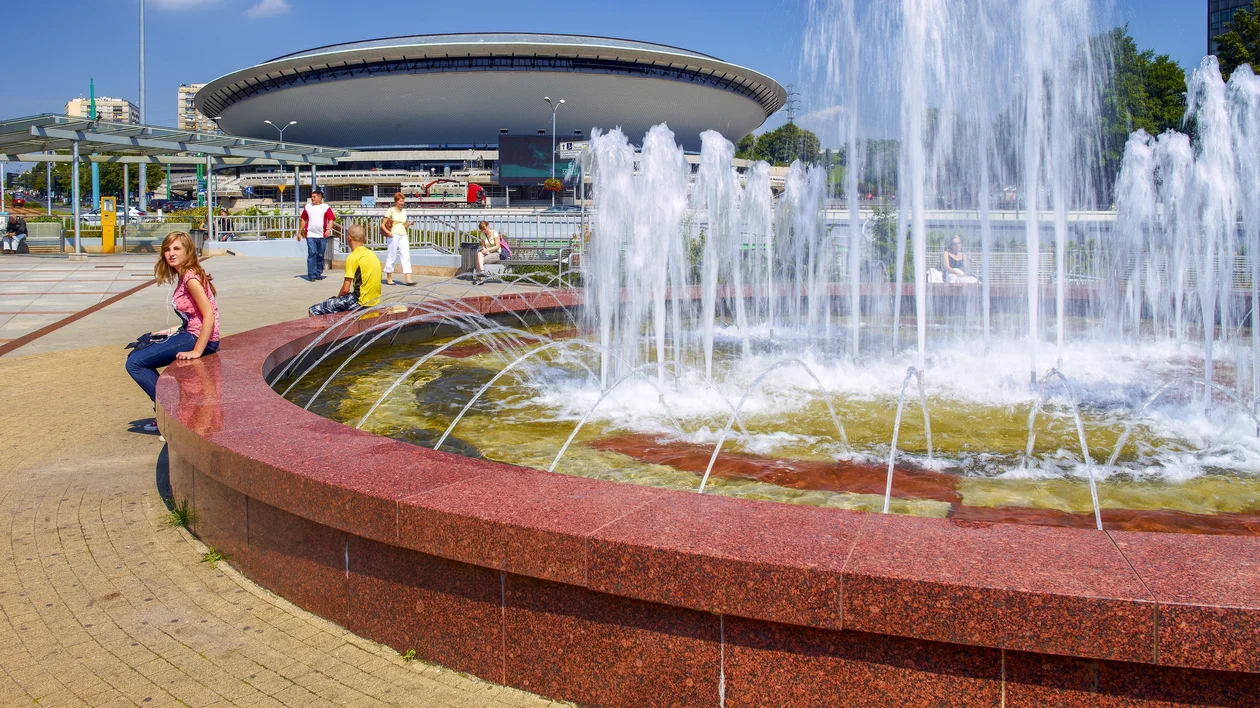
In the Culture Zone, explore the Silesian Museum, built partly underground on the site of a former mine. Take in the distinctive International Congress Center and Spodek arena, then plan an evening concert at NOSPR, home to the Polish National Radio Symphony Orchestra.
Gdynia: cinema and modernism by the Baltic
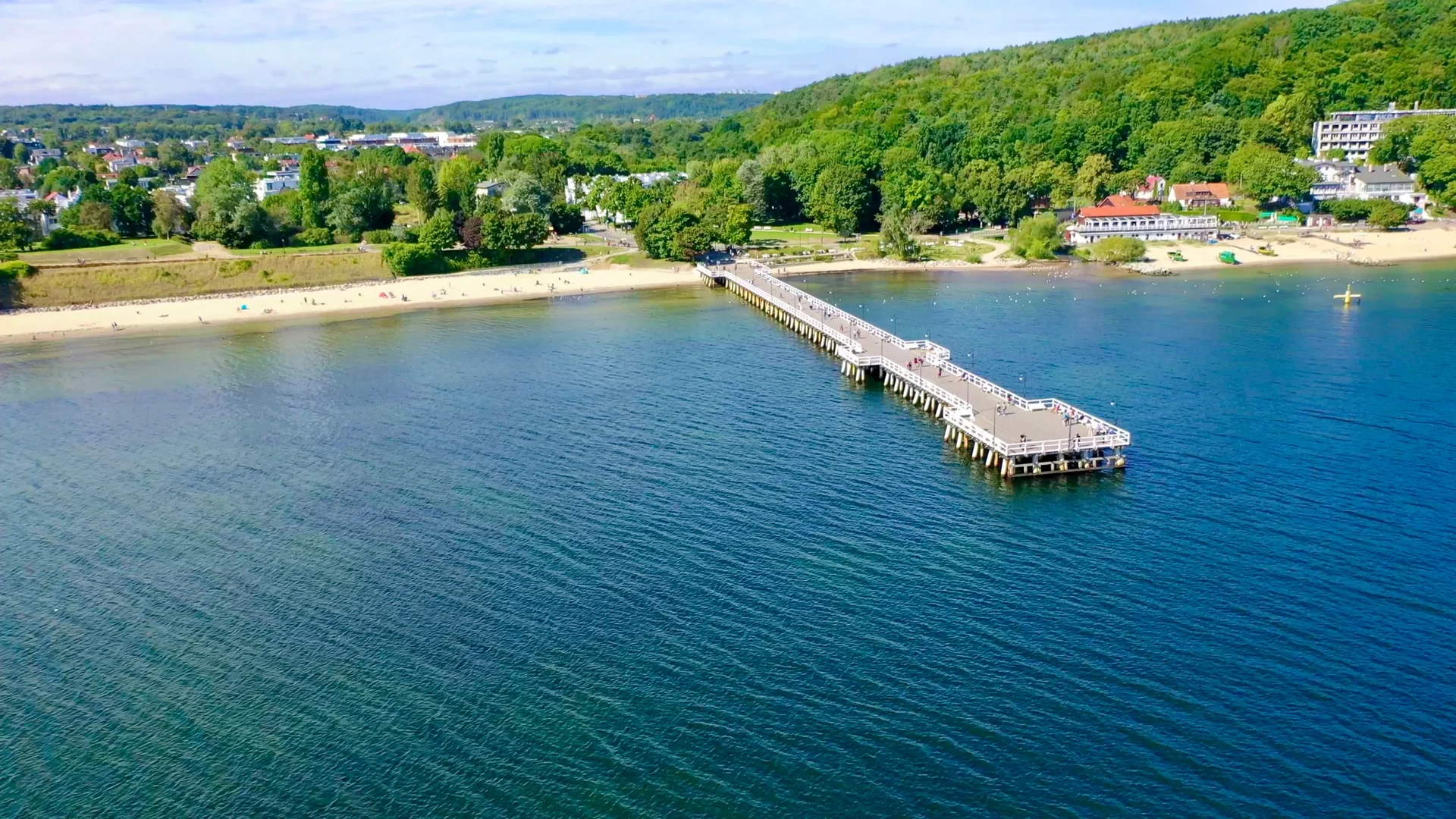
Further north, Gdynia combines its UNESCO City of Film status with maritime heritage and modernist architecture. Celebrating 100 years of city status in 2026, it offers plenty to discover beyond the beach.
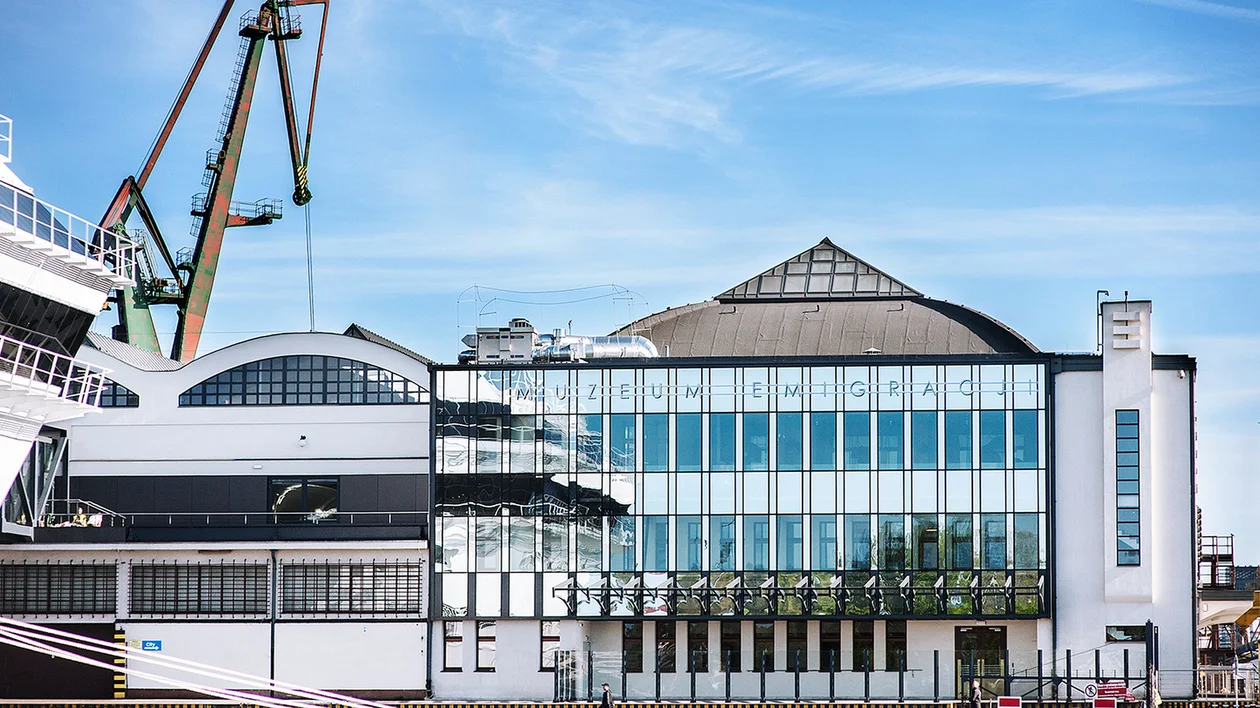
Explore modernist streets, stroll through Kościuszko Square, and head to Kamienna Góra for coastal views. The Emigration Museum, housed in a former maritime station, adds another perspective on the port and the people whose journeys passed through it.
Kraków and Wrocław: UNESCO Cities of Literature
1. Kraków
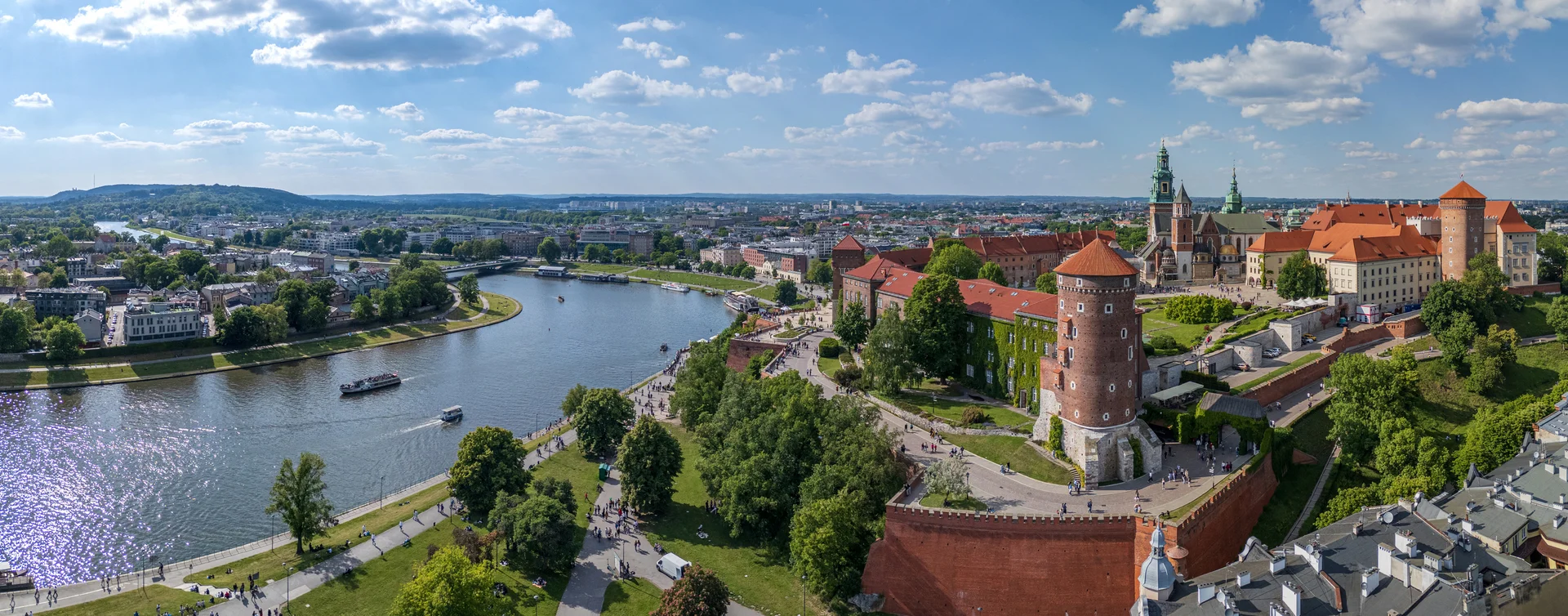
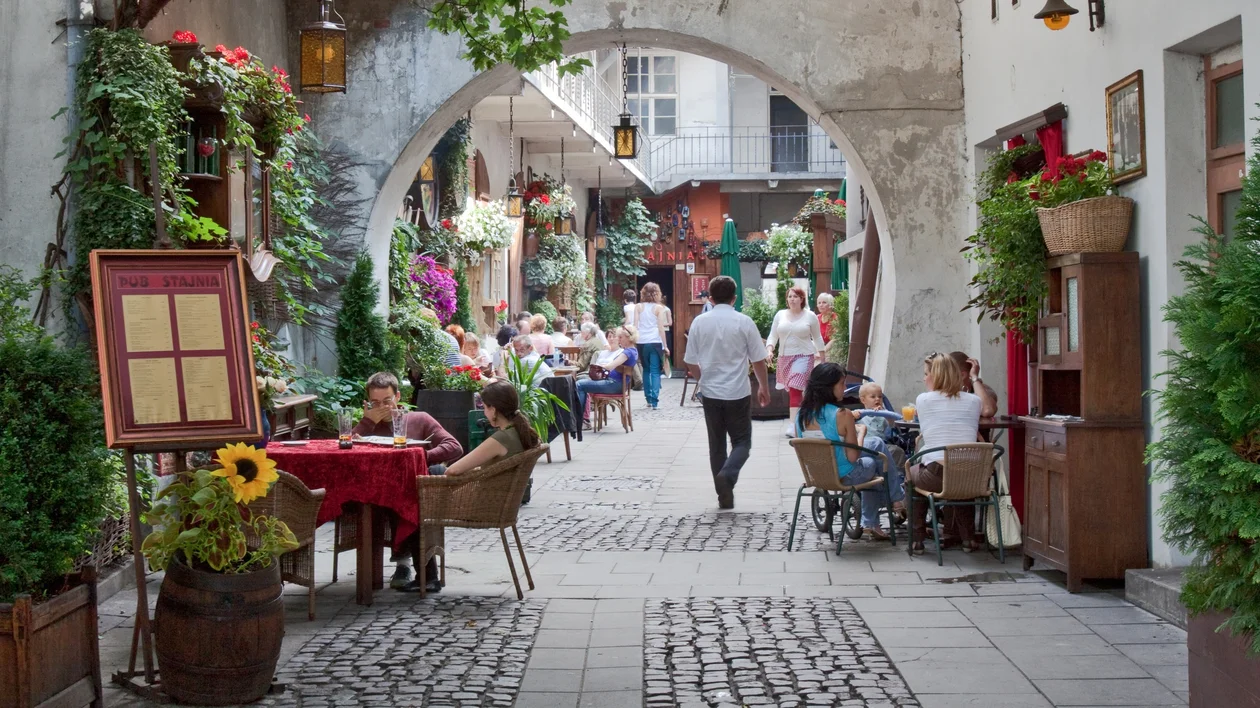
In Kraków, bookshops and literary festivals offer reasons to linger beyond the familiar Market Square and Wawel route. Explore Kazimierz and Podgórze for smaller galleries, bookshops, and neighborhood cafés.
2. Wrocław
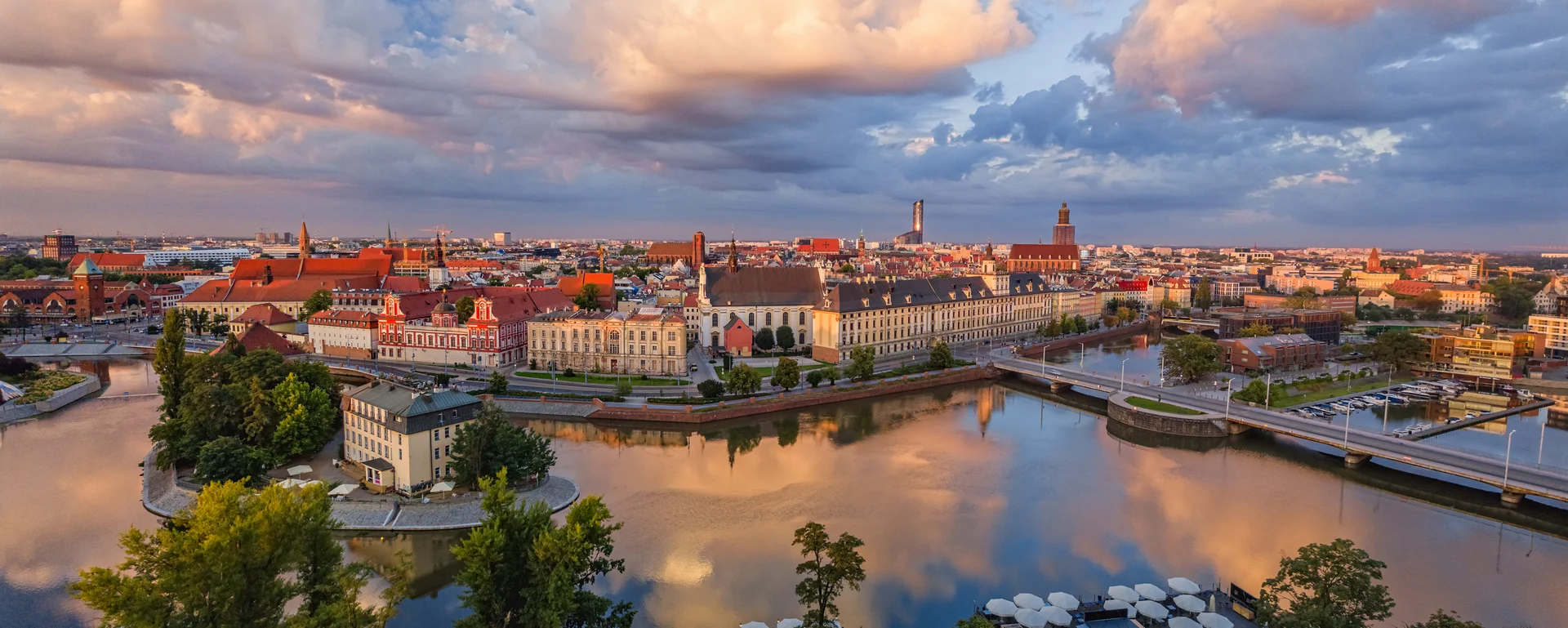
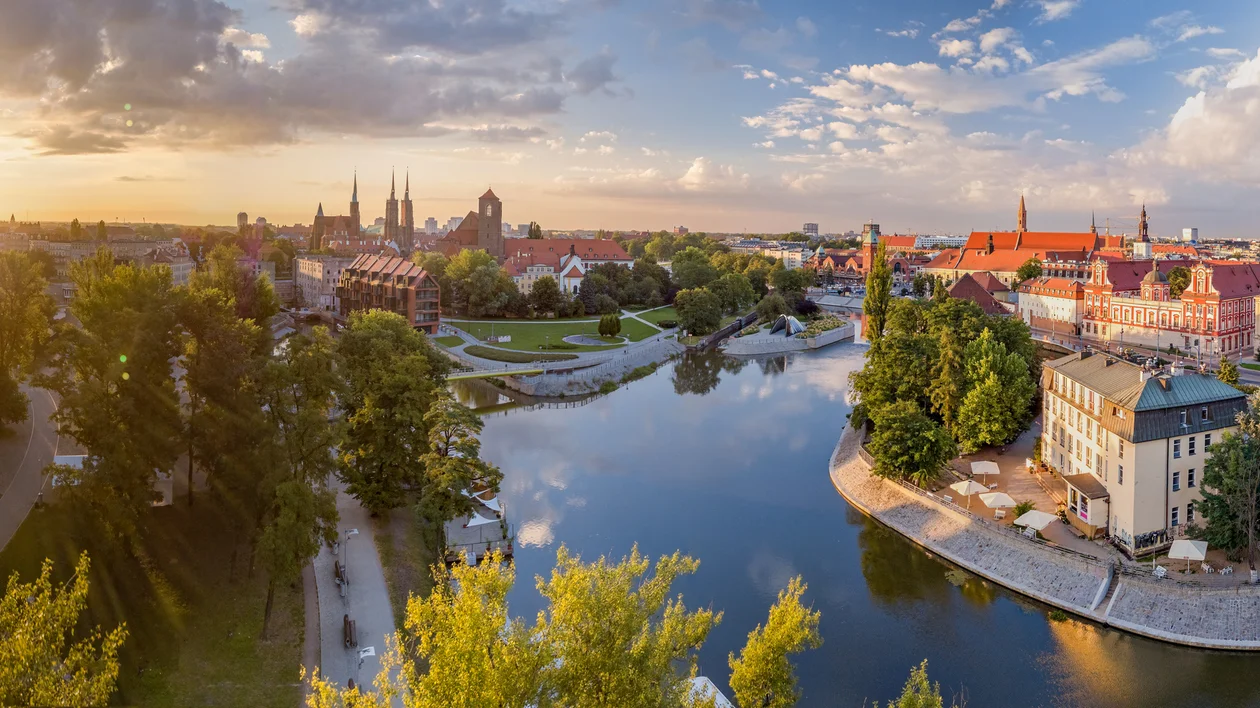
In Wrocław, make time for Nadodrze, independent galleries, and bookshops. Combine your discoveries with a walk through Ostrów Tumski or an evening concert at the National Forum of Music.
Taste Poland’s creative side
Carry your curiosity to the table. Poland’s chefs draw on regional ingredients and culinary traditions while exploring new techniques and ideas. The 2026 MICHELIN Guide features 196 restaurants across the country, offering another starting point for a food-focused discovery.
For a closer connection with everyday food culture, explore ways to eat like a local in Poland, from markets to family-run inns. You can also discover the regional flavors of Polish cuisine to help shape your next stop.
From film spaces in Łódź to Katowice’s concert halls and Kraków’s bookshops, Poland’s creative cities reward a closer look. Leave time for a neighborhood café, a small exhibition, or a conversation with a local maker. Those encounters could become the unexpected upgrade to your fall city break.