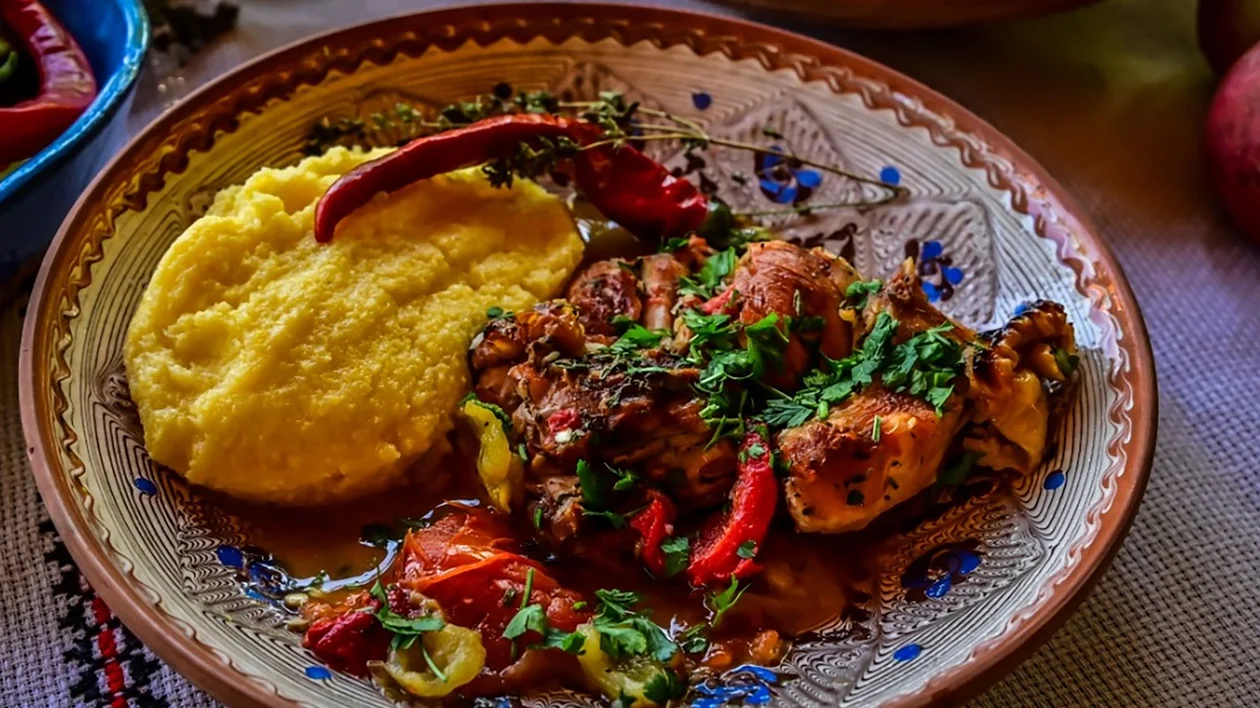
Romanian gastronomy is a geographical and historical expression of the country. Its varied landscapes bring a diversity of ingredients, while encounters with different cultures over the centuries have left their own flavours, recipes and traditions.
Wine is another thread running through Romania’s landscapes. From the Black Sea coast and Dobrogea near the Danube Delta to Moldavia, Transylvania and Wallachia, vineyards are part of a tradition stretching back thousands of years. Local grape varieties include Frâncuşă, Fetească Albă, Tămâioasă, Fetească Neagră and Băbească.
Delta gastro - Delta cuisine
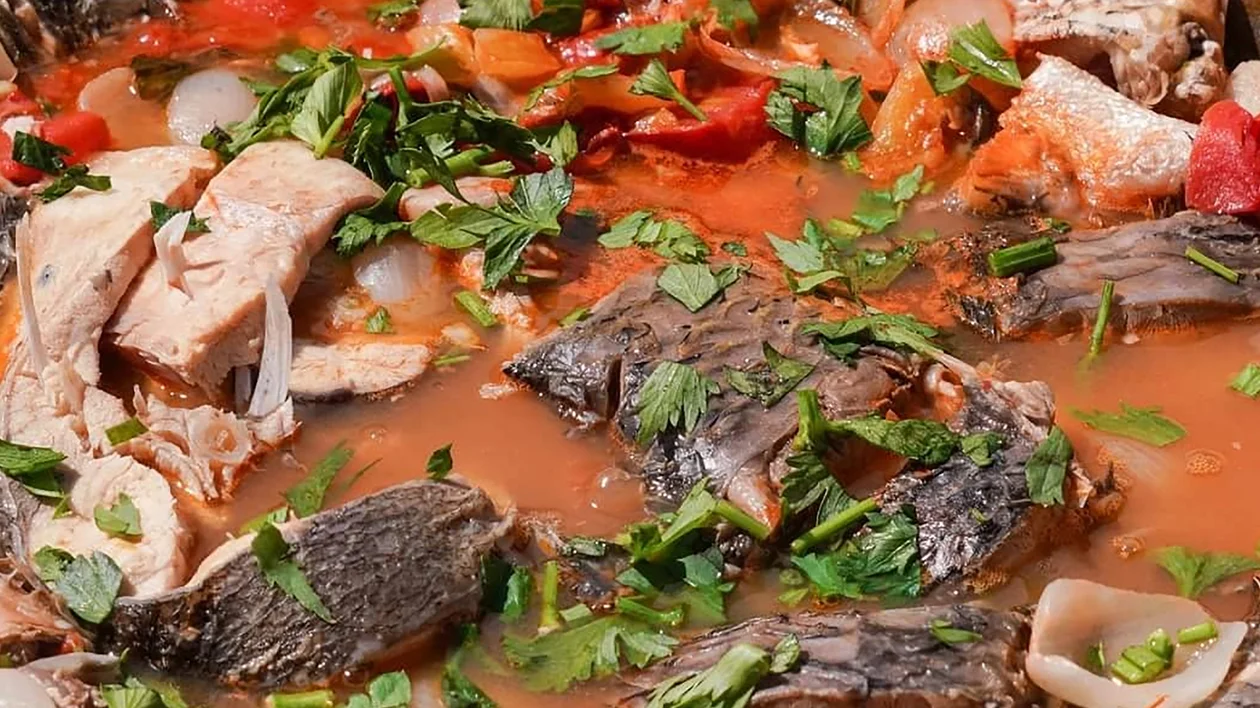
The Danube Delta holds a particular culinary treasure: Fisherman’s Borscht.
Daybreak finds local fishermen in their boats with the morning’s catch — pike, catfish, carp and bream, each adding its own character to the final flavour. Water is added to a cauldron, traditionally prepared close to where the fish is caught, and the cooking begins with potatoes and onions before the fresh fish is added.
Several festivals celebrate Danube Delta borș, in Crișan, Jurilovca, Sulina and Sfântu Gheorghe, bringing visitors closer to the fishing communities and food traditions shaped by life on the water.
Gastro Constanța - Aroma and wines of Dobrogea
Dobrogea brings together local wine, food and the multicultural history of the region. The vineyards of Murfatlar and Ostrov are well known for their wines, adding another flavour to a journey between the Danube and the Black Sea.
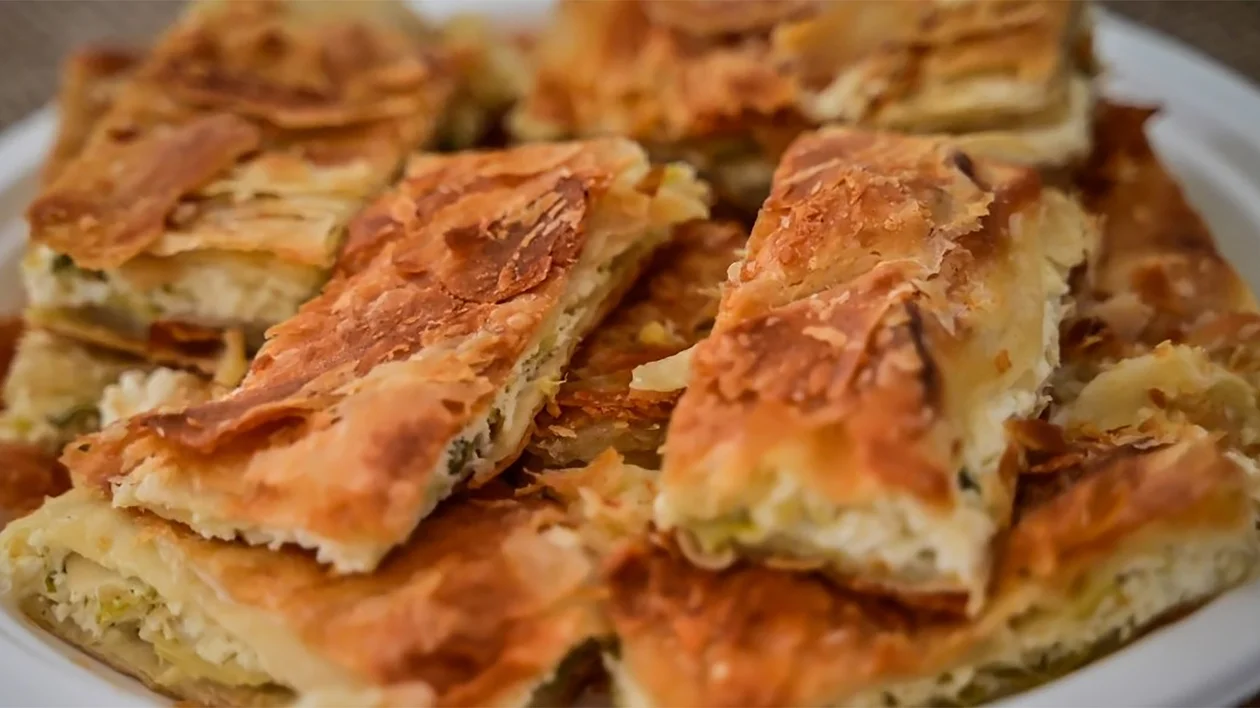
At the table, one of the regional signatures is Dobrujan pie, made with salty or sweet cheese wrapped in thin layers of dough. Traditionally prepared in local homes, it is a simple dish that carries generations of culinary knowledge.
Gastro Giurgiu - the route of traditional Vlasce Giurgiuvene gastronomy
Near the Danube, local home cooking preserves recipes influenced by the cultures that have met along the river. One example is dolongaci, or bride’s pie, a dish with Bulgarian influences that carries a story as well as a flavour. Sarmale cooked in pumpkin and stuffed pike are other local specialties.
The approximately 100-km route starts near the Danube in Slobozia and finishes in Comana, near the Neajlov Delta, combining regional food with the history of the former Vlașca area.
Gastro Hercinian – Hercynian cuisine
Dobrogea also holds a rich mix of culinary traditions around the Măcin Mountains, Romania’s oldest mountains and part of the ancient Hercynian Mountain chain.
In Greci, Izvoarele and Telița, Italian, Greek and Ukrainian culinary influences enrich the local heritage. From pasta and borscht to pies and homemade jams, recipes tell stories of the communities that settled here and made this landscape their home.
It is a fitting way to finish a gastronomic journey along Romania’s Lower Danube: not with one defining national dish, but with different communities, ingredients and traditions connected by the same region and river.