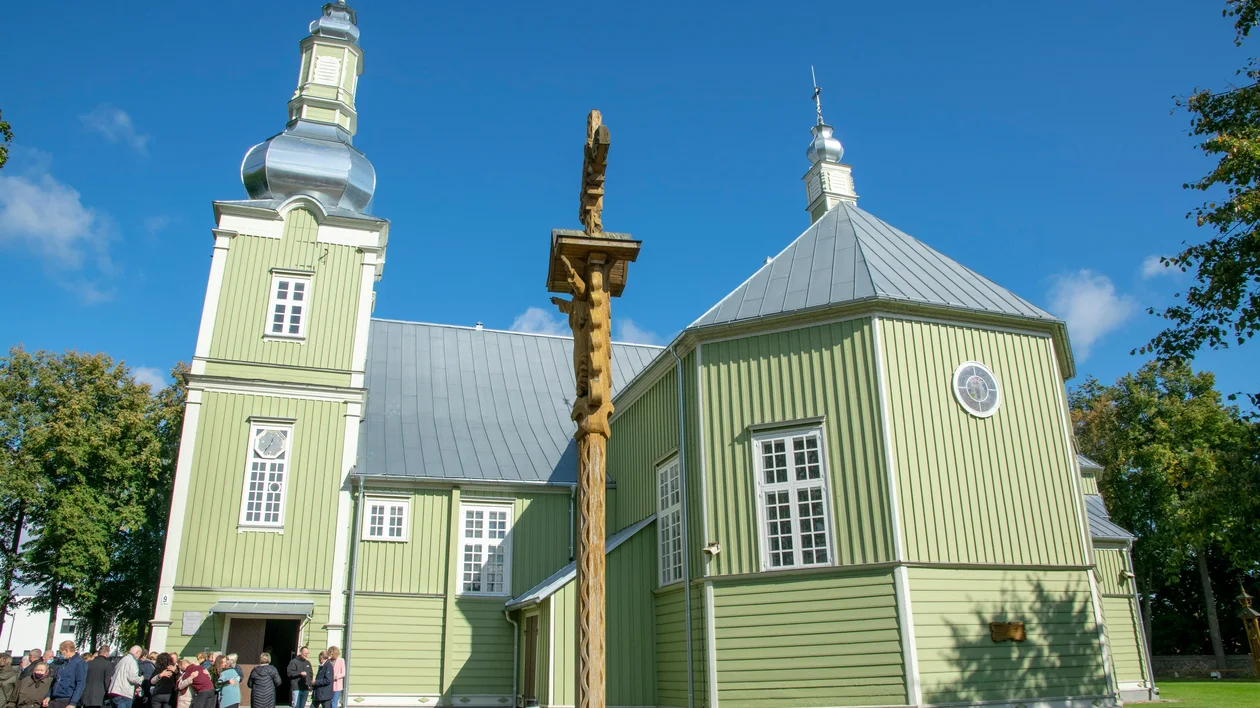
Before planes, trains, and automobiles, pilgrims crossed Europe on foot to visit sacred sites. Today, travelers follow Europe’s religious routes to explore their spirituality, experience an epic adventure, and learn more about European culture. No matter what their motivations may be, these journeys offer a meaningful way to experience Europe.
Santiago de Compostela, Spain
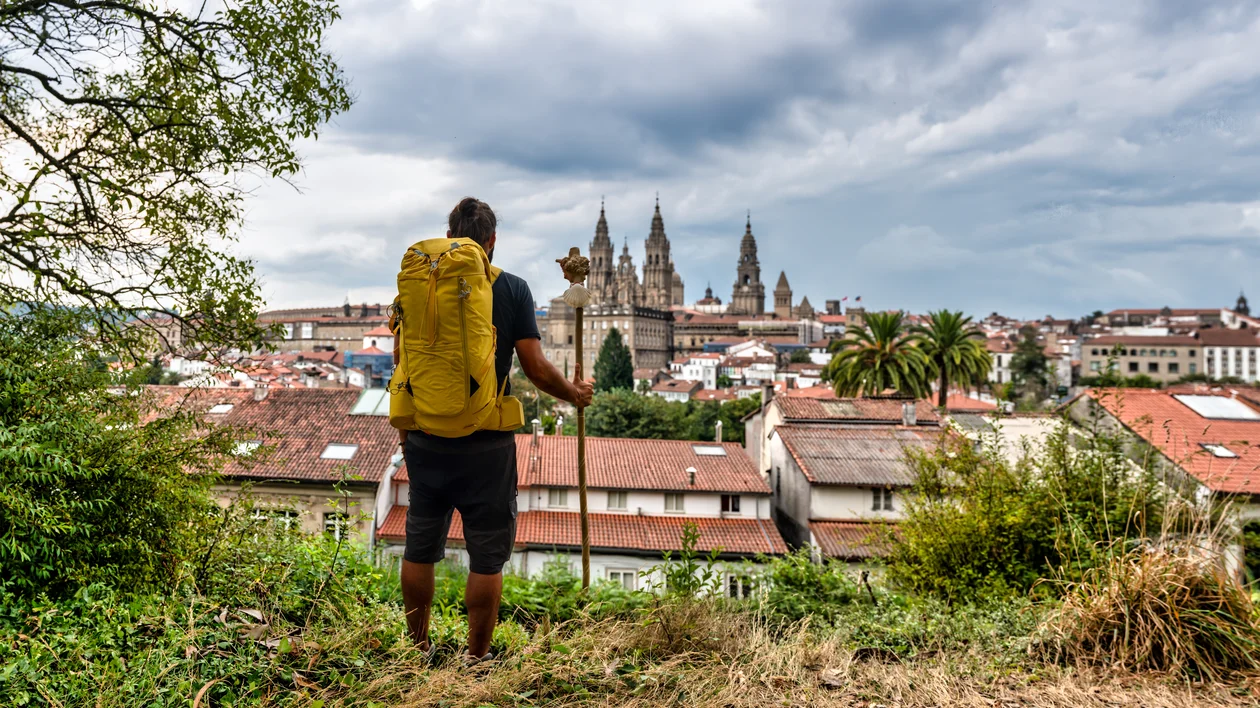
Europe’s best-known pilgrimage is the Camino de Santiago, also known as the Way of St. James. Many of its routes begin in Spain, Portugal, France, and other parts of Europe, but they all lead to the Cathedral of Santiago de Compostela in Spain, where the remains of St. James the Apostle are believed to be buried.
Whether you travel on foot, by bike, or on horseback, you will need a pilgrim passport called the Credencial del Peregrino, or Pilgrim Credential. Along the way, pilgrims collect stamps at designated stops. Those who complete the required distance and meet the official conditions may receive the Compostela certificate at the end of their journey.
Some pilgrims continue their route to Finisterre, which means “the end of the earth.” As part of a modern pilgrim tradition, some also leave behind symbolic items associated with their Camino experience.
Croagh Patrick, Ireland
For a shorter pilgrimage, climb Croagh Patrick in Ireland, where St. Patrick is believed to have fasted and prayed during Lent. Known locally as “the Reek,” the mountain is home to a small chapel at its summit. Each year on Reek Sunday, the last Sunday in July, climb the mountain to attend services at the summit chapel. The route may be shorter than many of Europe’s long-distance pilgrimages, but its steep and rugged terrain still makes it a meaningful challenge.
St. Paul Trail, Türkiye
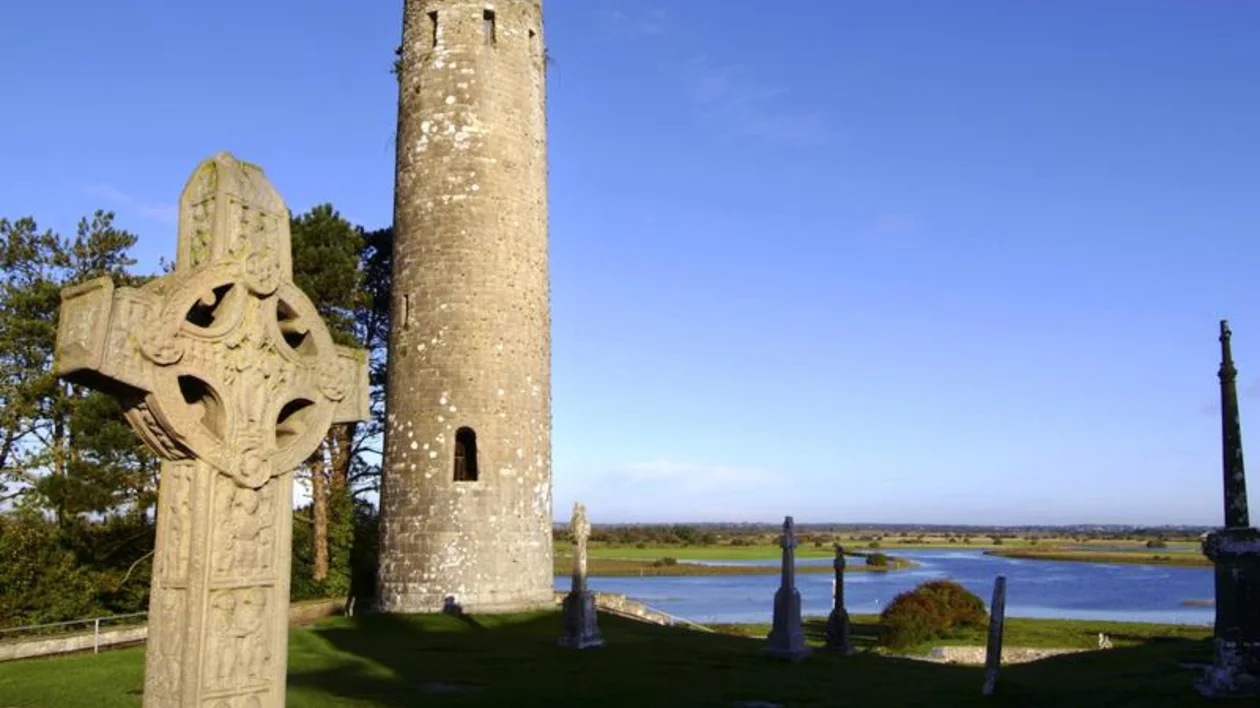
A more demanding pilgrimage through Türkiye follows a route inspired by St. Paul the Apostle's first missionary journey. Extending for more than 300 miles, the trail crosses ancient Roman roads, rural landscapes, forests, and mountain terrain.
St. Olav Ways in the Nordics
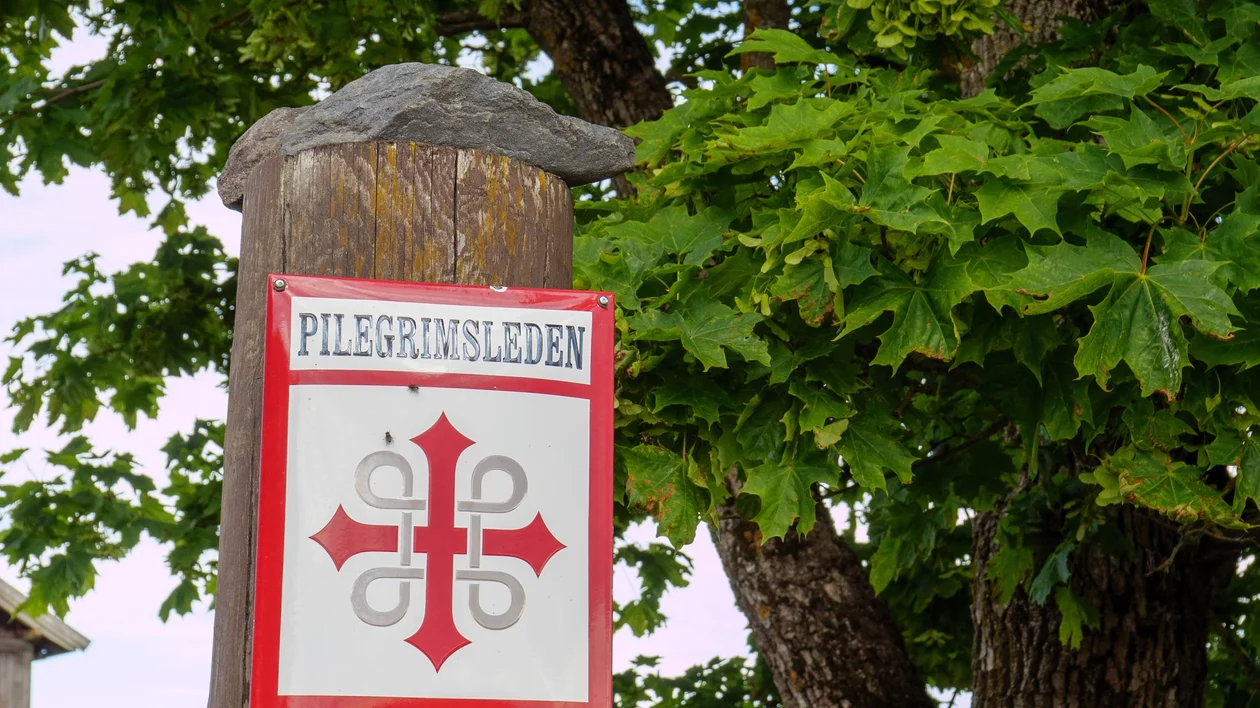
For a uniquely personal experience that combines European tradition, Nordic history, and Norwegian culture, explore the St. Olav Ways.
With pilgrimage routes ranging from around 160 kilometers to several thousand kilometers, travelers can discover landscapes and historic places connected to medieval Scandinavia. The routes reveal the influence of Norway, Sweden, and Denmark on European religion, regional history, and the cultural development of the Middle Ages.
Hill of Crosses in Lithuania
Another popular pilgrimage is present in Lithuania, where spiritual travelers come from near and far to visit the Hill of Crosses.
A truly jaw-dropping destination, the Hill of Crosses is a unique sacred place filled with thousands upon thousands of crosses. Visitors are invited to bring their own cross to this location, written with their names, intentions, and pleadings for clemency.
Jewish heritage routes
Europe’s Jewish heritage routes offer meaningful opportunities to explore the continent’s diverse religious, architectural, and cultural history. Follow AEPJ’s Architectural Modernism in European Synagogues, where you’ll be transported from the Subotica Synagogue in modern Serbia to the elegant Lucerne Synagogue in Switzerland. In the Wooden Synagogues of Central and Eastern Europe, witness the nearly extinct rural wooden synagogue sites in Lithuania and Romania. Finally, immerse yourself in the Women in Judaism route, which highlights and celebrates women's contributions to Jewish cultural heritage.