Perched on mountaintops, Portugal’s Historical Villages of granite and schist can be spotted from afar by the tall towers of their medieval castles, strategically aligned along the border. These settlements carry memories of ancient conquests and traditions, and are remarkable for their scenery, their heritage, and the friendliness of the people who live there. Today they are peaceful, and in their cobbled streets and stone houses lives the real Portugal: authentic culture and a proud 900-year history.
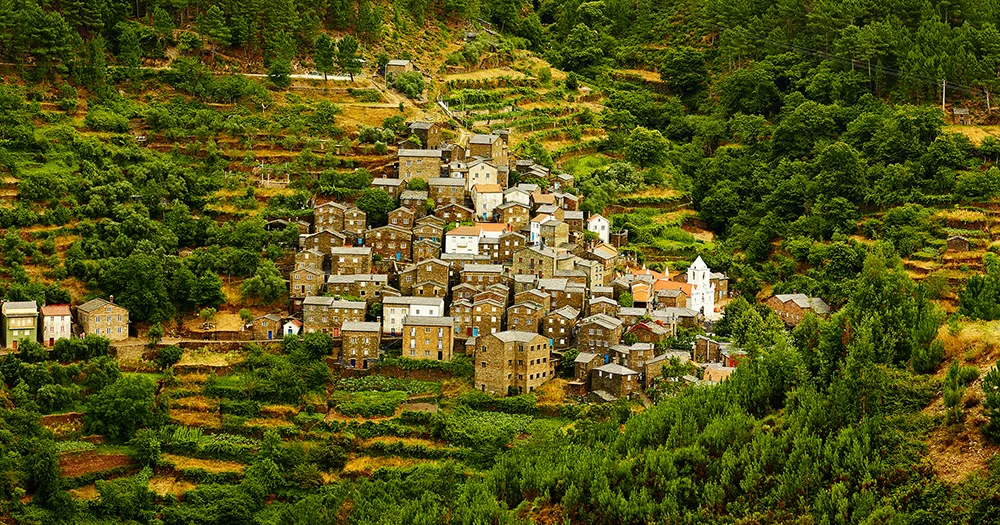
There are twelve of these villages in total; a good way to explore them is via a route that starts in the only place without a castle to visit: Piódão. This village sits on a slope folded into the wilds of the Serra do Açor, and perhaps this is why fortification was unnecessary. It’s reminiscent of a crib because of the harmonious way its houses are arranged in an amphitheater shape.
In Linhares da Beira, in Serra da Estrela, the highlight is the castle on a plateau and the sweeping views it offers. Be sure to visit the Romanesque parish church as well, with its panels attributed to Grão Vasco, a 16th-century master. The historic center of Trancoso is surrounded by medieval walls and has a Jewish quarter where you can see Hebrew symbols engraved on the stones of the houses.
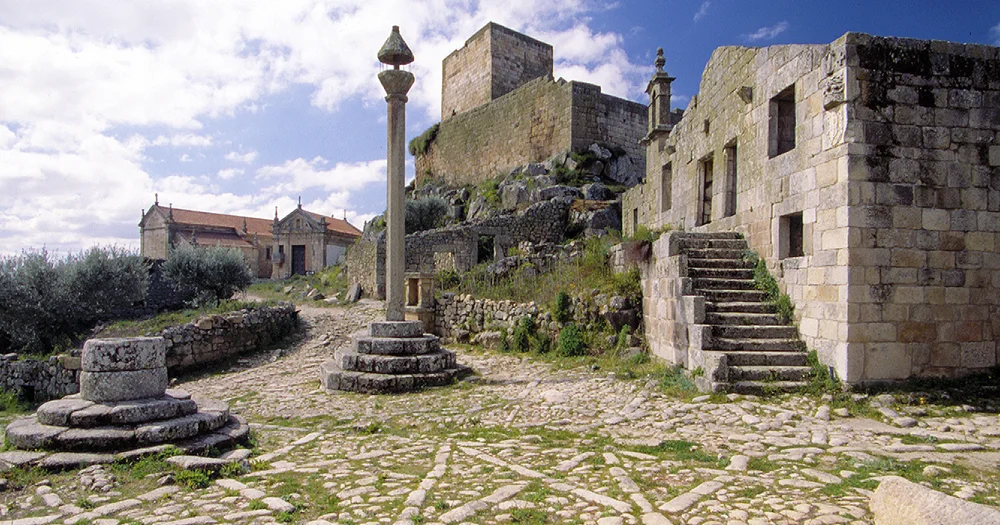
Marialva was an important military post in the Middle Ages, and in Castelo Rodrigo are the ruins of another fortress with the marks of a history of struggles and betrayals. Seen from above, Almeida’s walls form a twelve-pointed star, a 17th-century fortification that transformed a medieval village into a stronghold. In Castelo Mendo, another fortified village, figures carved in the stone of two houses represent the mayor who gave his name to the village, and his wife.
Belmonte, austere in its granite architecture, was the birthplace of the navigator Pedro Álvares Cabral, who discovered Brazil in 1500. This village welcomed Jews expelled from Castile in the 15th and 16th centuries, and there is still an active community that attends the synagogue. 760 meters above sea level, Sortelha sits on a rocky escarpment that forms a ring surrounding the village. The view from the castle tower is breathtaking.
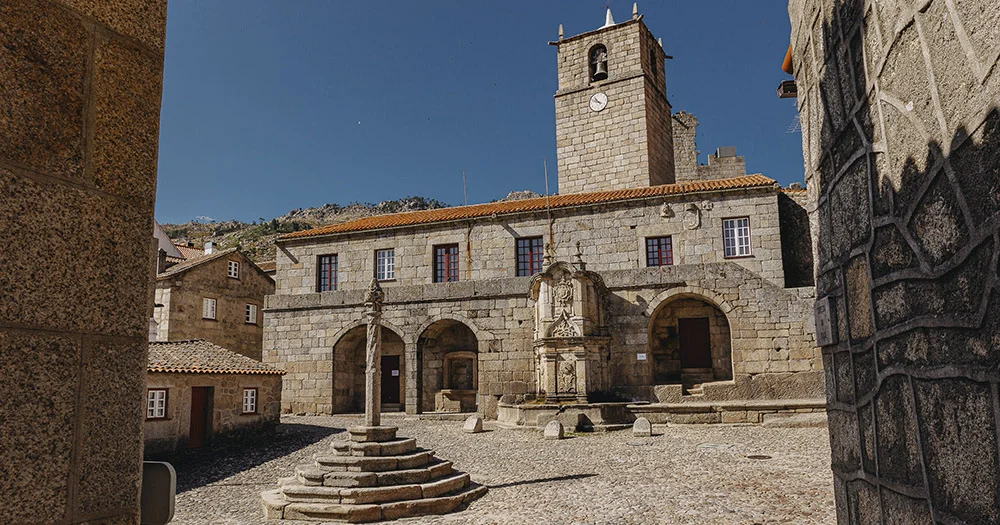
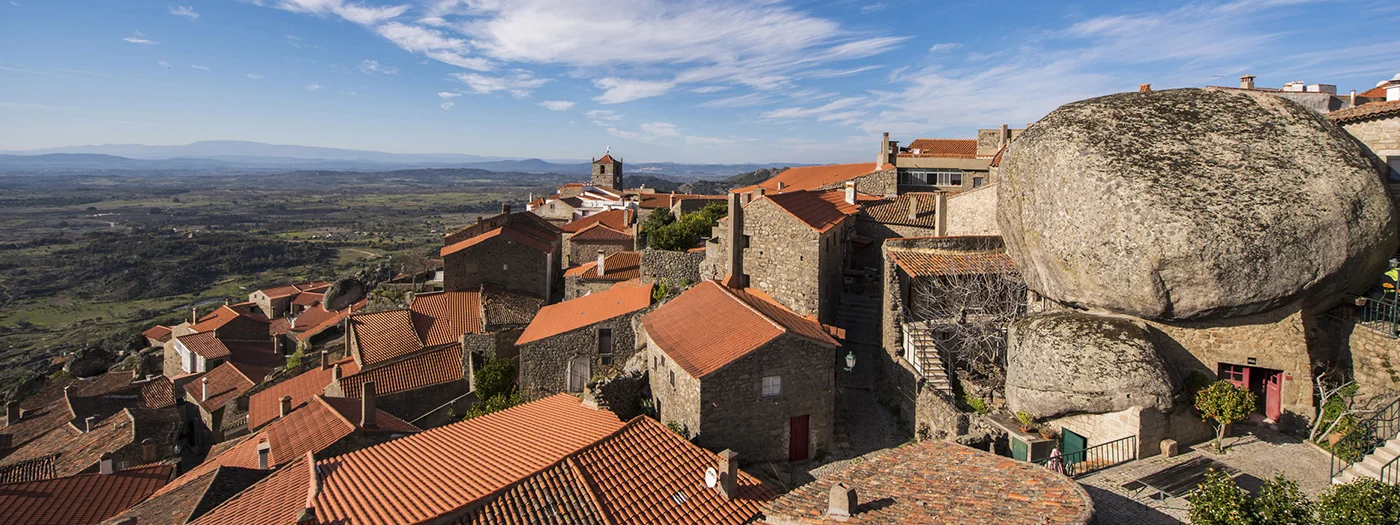
In Castelo Novo, which has some fine examples of manor houses, the Town Hall, the jail, and the Baroque-style D. Joao V Fountain are notable. In Idanha-a-Velha you can see the ruins of the ancient Egitânia and the Visigoth cathedral. Right next door is Monsanto, which has been called the "most Portuguese village in Portugal", an award that is commemorated by the silver rooster on top of the Lucano Tower. This is the last village on the tour, and here it’s normal to wonder if the house is born from the rock, or the rock arises out of the house, so perfect is its integration into the landscape.
To organize your trip, take a look at the offers for activities and accommodation that the Aldeias Históricas (Historical Villages) have prepared for you.