Discover surprising, delightful vineyards
The beginnings of viticulture go back at least 4,000 years in Romania. Dacia, as it was known in ancient times, had a well-established wine culture. The coins issued by the Romans in the new province of Dacia had on one side two children offering grapes to a woman, a symbol of the region’s wealth.
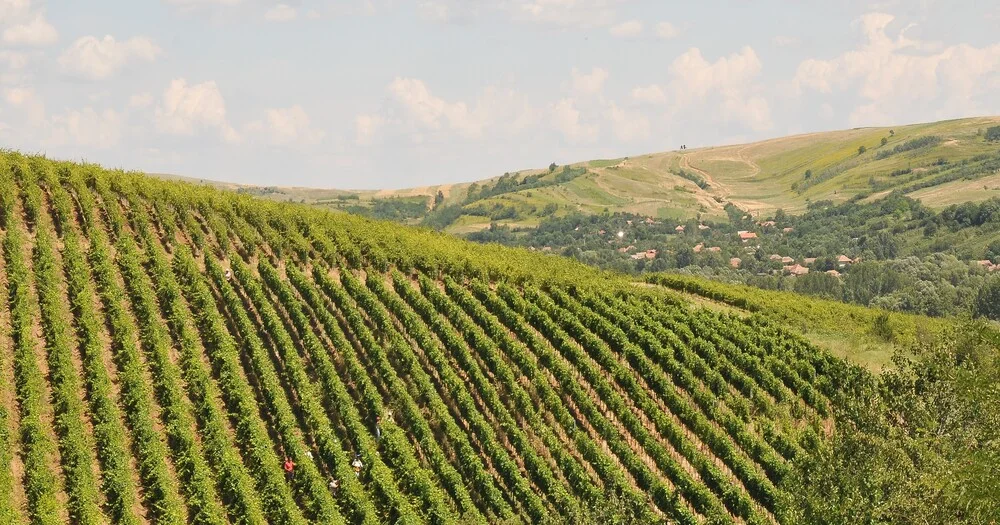
The climate and soil are appropriate for growing different varietals for red, white, and rose wines. The main geographical features that temper Romania’s continental climate are the Black Sea, the Danube River, and the Carpathian Mountains. The mountain range occupies almost half of the country, rising to about 2,500 meters and encircling the Transylvanian Plateau, situated at about 400 meters above sea level. In the south, the Danube (Dunărea) flows through a sandy plain, turning north towards its delta and isolating the province of Dobrogea with its opening to the Black Sea.
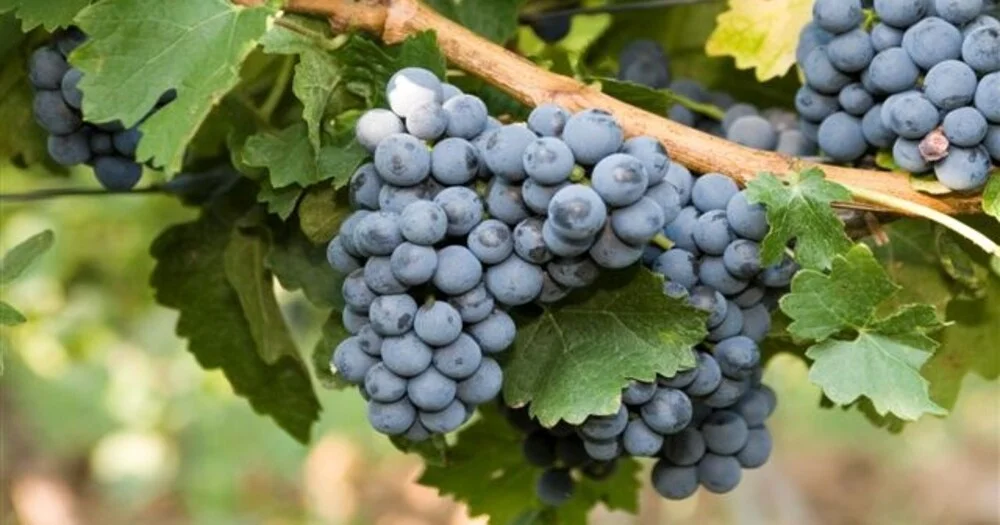
The primary grape varieties of Western European origin that have been successfully adapted to Romanian viticulture are merlot; cabernet sauvignon, and pinot noir for the reds; chardonnay, sauvignon blanc, pinot gris, Italian riesling, traminer, aligote and muscat ottonel for white wines.
Several native Romanian varieties are also extremely valuable! They include băbească and fetească neagră for producing red wines and for white wines, fetească regală, francușa, grasa, galbena, busuioacă and tămâioasă grapes.
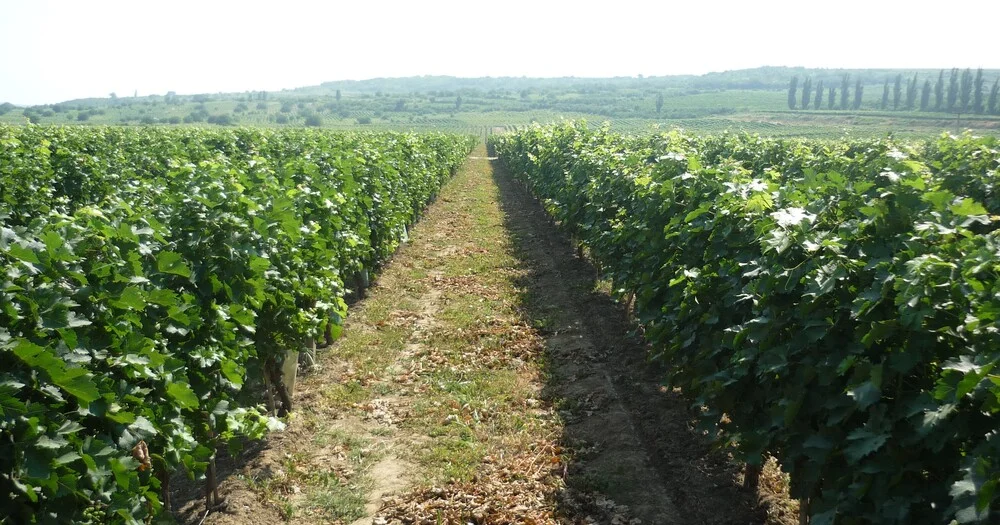
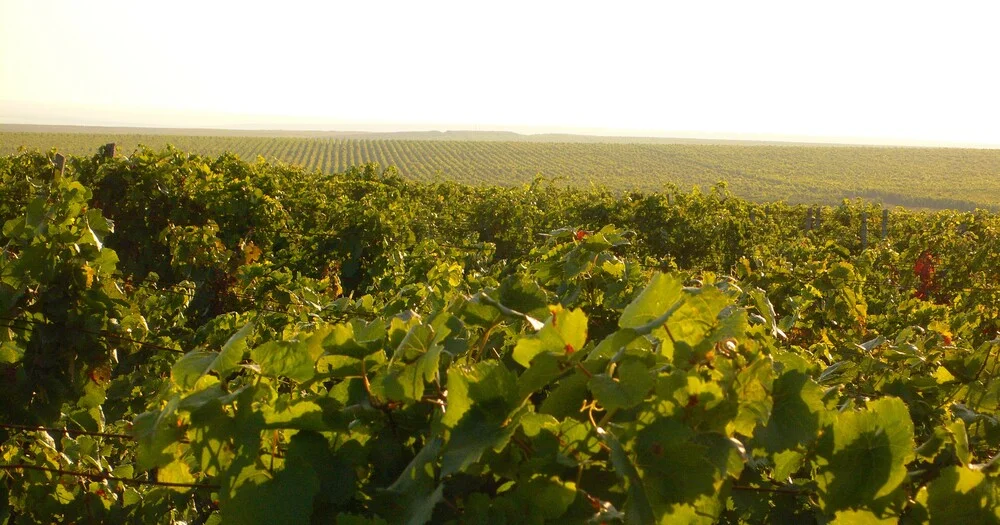
Vineyards are established all over the country, grouped into nine main regions. Each has its own distinct charm: the Transylvania Plateau, Moldova Hills, Muntenia Hills, Oltenia Hills, Banat Hills, Crișana-Maramureș Hills, Dobrogea Hills, and the Danube Terraces.
The Wine Routes of the Historical Regions of Romania includes wine areas and wine cellars from the following cultural touristic routes:
- The Route of the Prince and Saint Stephen the Great in Romania and the Republic of Moldova.
- The Roman Emperors and Danube Wine Route, a Cultural Route of the Council of Europe.
- Prahova Wine Land.
- The Route On the footsteps of Dionysos between the Danube and the Black Sea
- The Route of the cultural and wine heritage on the land of ancient Dacians from South West Oltenia
- The Road of Stones and Wine Cellars in Buzău County
- The Cultural Touristic Route of Honey and Wine of Tulcea
- The Route of the Lipova-Ineu Area Heritage and of the history of Miniș-Măderat Wine Area
- The Wine Story from Lechința Vineyard
Additional wine routes to explore are:
Learn all about Romanian viticulture at vine and wine museums:
- Muzeul Viei și Vinului Miniș/Arad County
- Muzeul Viei și al Vinului Pâncota/Arad County
- Muzeul Viticulturii şi Pomiculturii Golești/Argeș County
- Muzeul Viei și Vinului Hârlău/Iași County
- Muzeul Viticulturii Huși/Vaslui County
- Muzeul Viei și Vinului Drăgășani/Vâlcea County
- Muzeul Viei și Vinului Focșani/Vrancea County
Travel, taste, and enjoy exploring Romania’s world of wine!