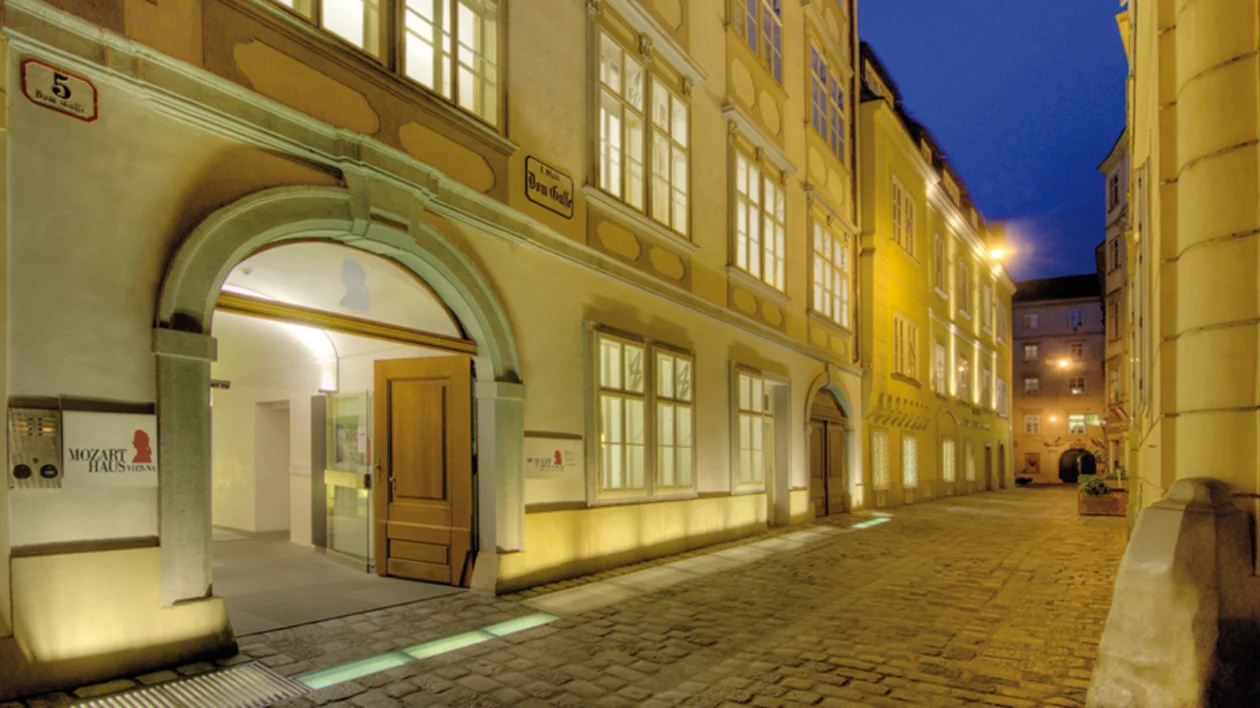
In Austria, Europe’s history comes alive — off the beaten track. Magnificent palaces, abbeys and places where music, culture, and art took root tell of past eras and their lasting importance.
Lavish royal living
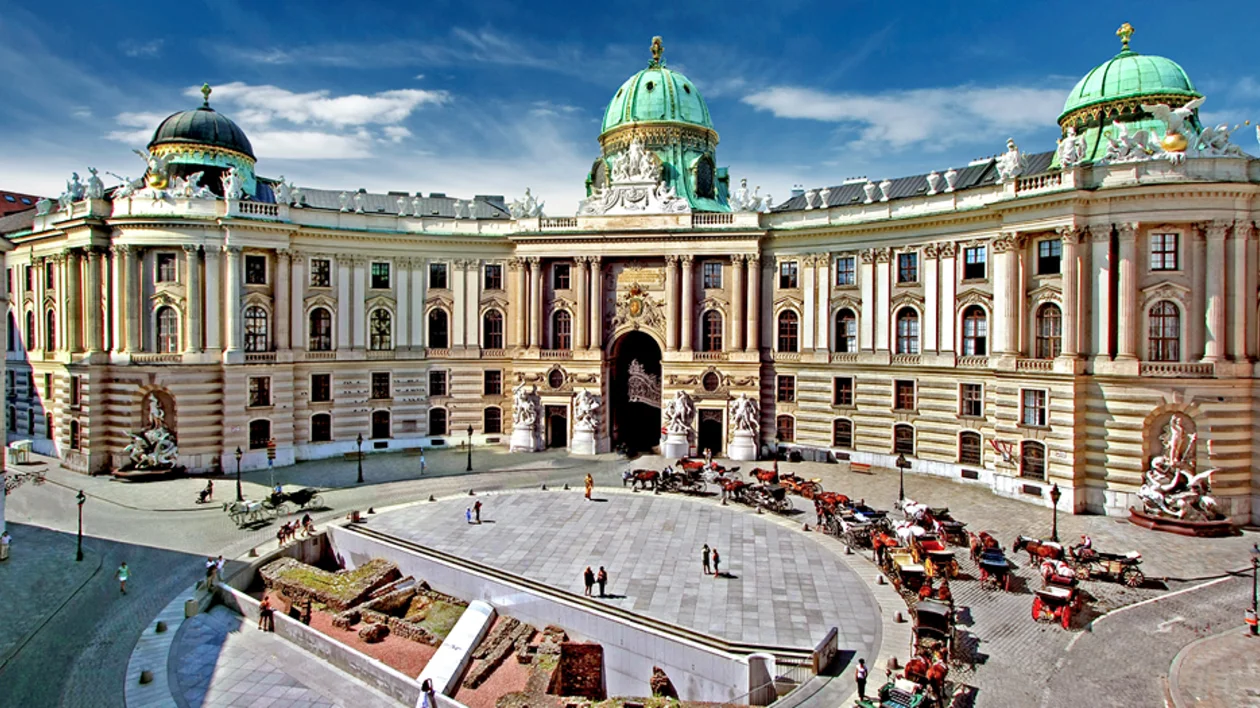
Austria’s castles and palaces reflect the power, politics and daily life of many centuries. At the center were the Habsburgs in Vienna, whose politics and culture spread throughout Europe. Today, visitors can experience history at close range by exploring opulent rooms, ceremonial halls, and the imperial apartments in the Hofburg. A guided tour of Schönbrunn Palace, the summer residence of Emperor Franz Joseph I and Empress Elisabeth, brings the world of the imperial court to life, from vast palace gardens to lavish state rooms and private chambers.
Culture lives on
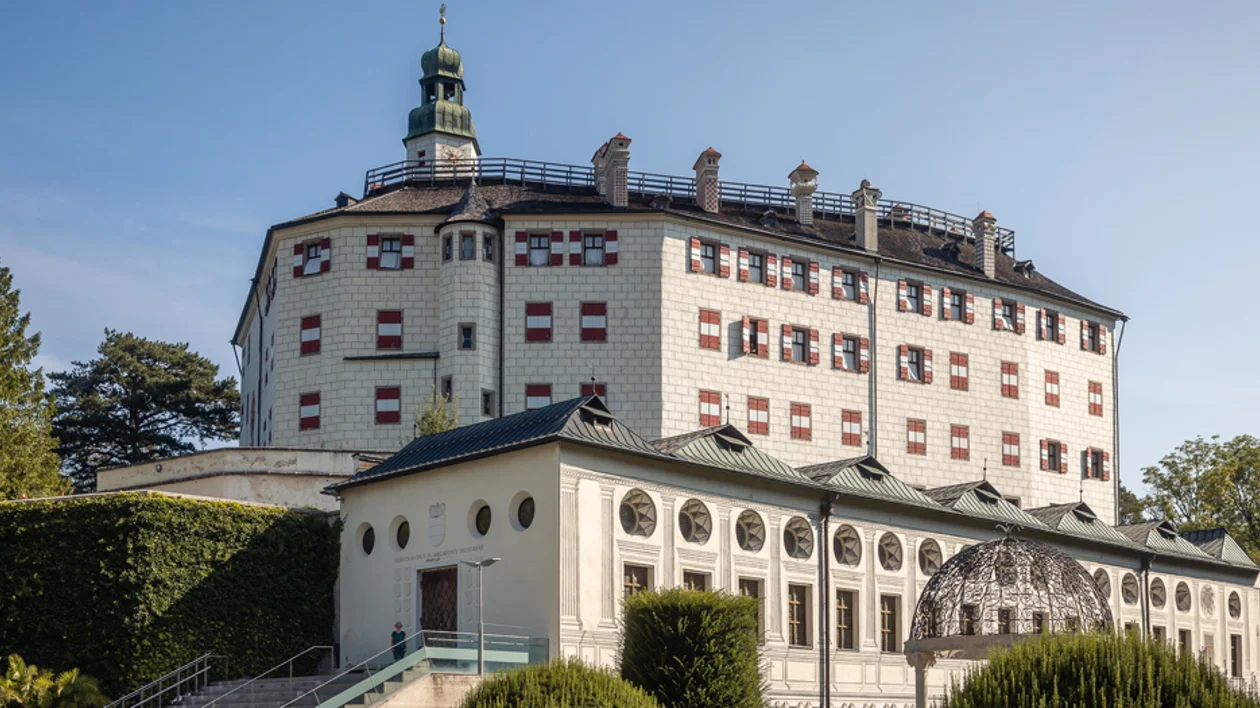
The Spanish Riding School in Vienna has a daily showing of the classic equestrian art of the Lipizzaner horses, giving visitors a true feeling of centuries-old court culture. Ambras Castle in Innsbruck reveals Tirol’s captivating renaissance art, and Belvedere Palace in Vienna unites Baroque architecture with world-famous works of art. European history isn’t only seen, it’s also experienced first-hand at all these sites.
The impact of abbeys
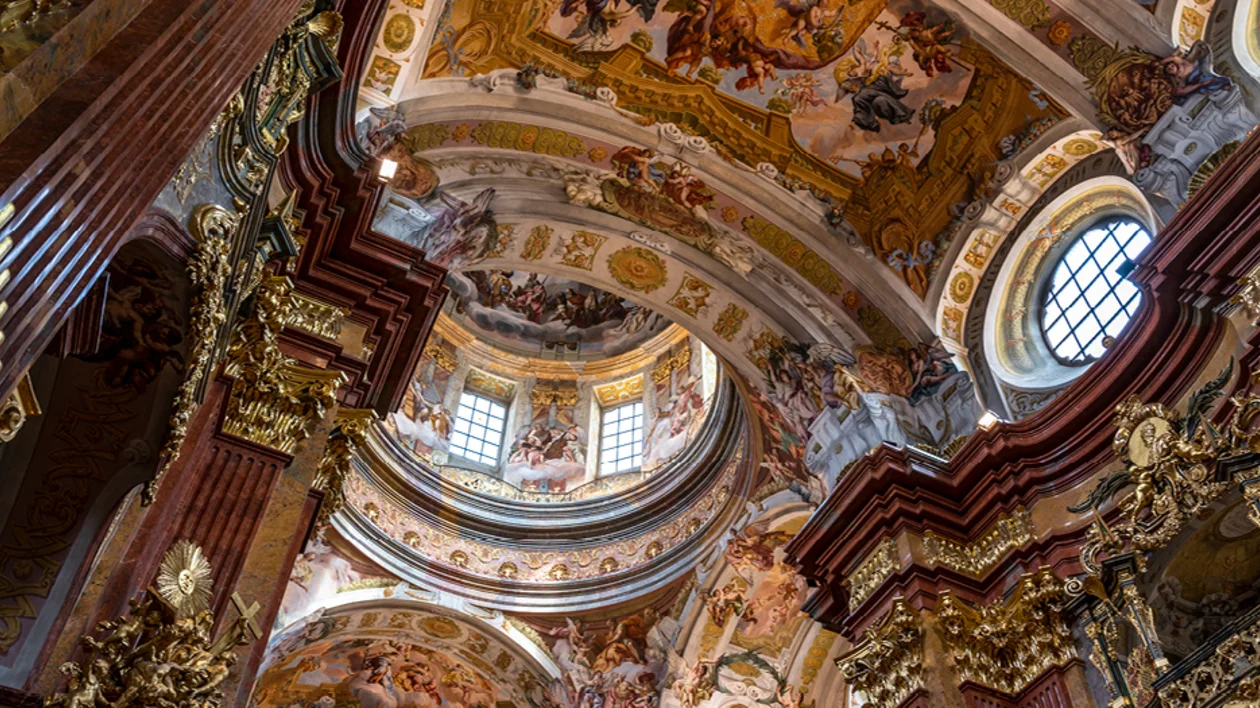
Austria’s abbeys and monasteries were European spiritual and cultural centers offering serene retreats, Today, you can discover them by yourself. Melk Abbey in the Wachau Valley has spectacular libraries, churches and grand ceremonial chambers. Visitors can explore the Baroque architecture on a tour or experience the day’s rhythm of prayer, artisanal work and reflection on a vacation in a monastery. Other abbeys in Austria, such as Klosterneuburg, Kremsmünster, and St. Florian offer tours, quiet retreats and workshops. This is how history is lived up close.
Art and music
Austria — and the world — celebrate Wolfgang Amadeus Mozart’s 270th birthday in 2026, the perfect occasion to trace his footsteps in Salzburg. Concerts, exhibitions and interactive tours will be held at his birthplace, residence, and the Mozarteum. Schubert, Strauss and Bruckner also bequeathed musical creations with lasting impact. Their works live on in concerts, museums and city tours.
Gustav Klimt, Egon Schiele and Oskar Kokoschka forge the link between Viennese Modernism and European Expressionism in the visual arts. Museums such as the Belvedere, Leopold Museum, and Kunstforum Wien present their works in historical settings, yet making them directly accessible.
UNESCO treasures
Carnuntum, a UNESCO-listed Roman city on the Danube, brings ancient times to life. Archeological excavations, reconstructed houses and an amphitheater make Roman history tangible. Austria has many other sites on the UNESCO World Heritage list, from Baroque masterpieces like Melk Abbey to historical old city centers like Graz and landscapes like the Wachau. Visiting these places, one experiences Europe not as a static historical relic, but as living history: inspiring, surprising, and fascinating.