Unlock a more meaningful way to bring Europe home by shopping responsibly. From the unmistakable feel of an authentic Italian leather belt to the elegance of Czech blown glass, locally made souvenirs connect you to a destination and support regional artisans while potentially reducing your carbon footprint. Europe is filled with artisans, markets, and vintage shops that make responsible shopping both rewarding and memorable. Forget mass-produced trinkets and choose souvenirs that support local communities, preserve traditions, and help you travel more sustainably in Europe.
Why responsible shopping unlocks better travel
Souvenirs tell stories, so make sure they're stories worth carrying home. Choosing locally made items rather than imported goods can lower transportation-related carbon emissions and help keep money within local economies. Natural and upcycled materials, such as linen, wood, stone, and recycled textiles, can reduce environmental impact and last longer than cheap alternatives. Buying mindfully doesn't just benefit the planet; it creates more authentic memories and connects you with the people behind the craft.
Local markets and artisan crafts
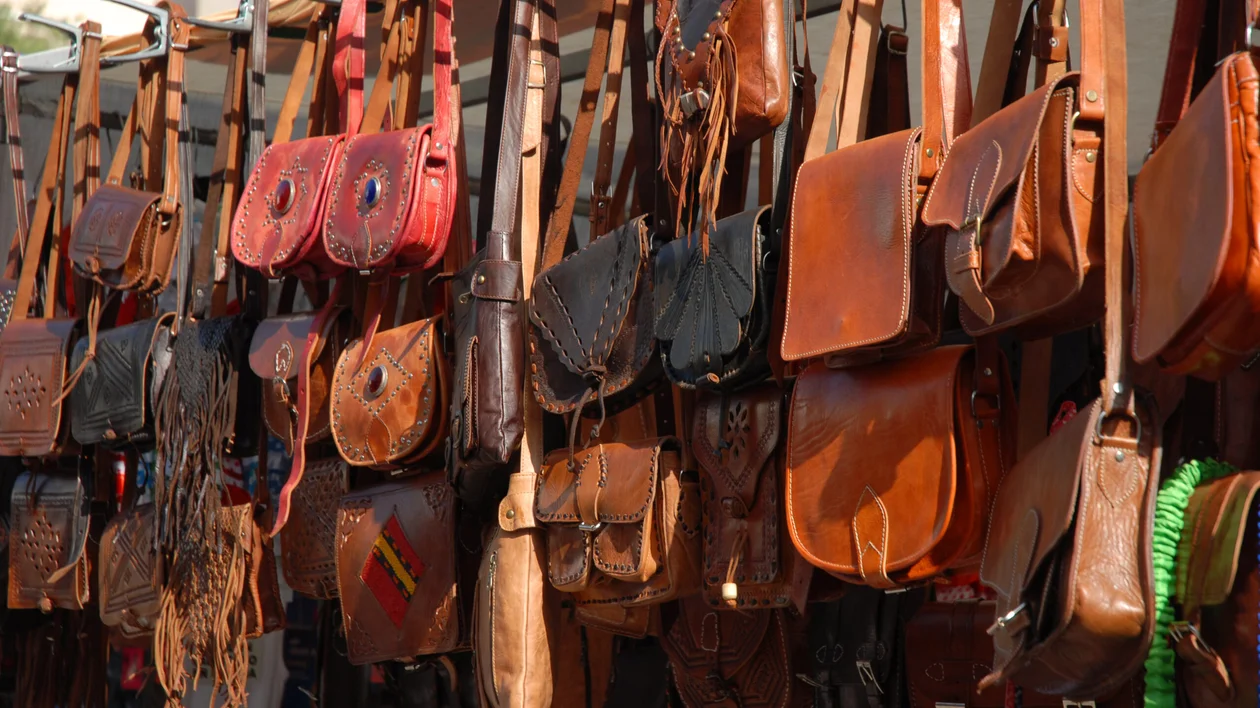
Markets are at the heart of responsible shopping. In Florence, leather workshops produce belts, wallets, and bags using techniques passed down through generations. Lisbon is famous for cork, with shops offering coasters, hats, and handbags made from this renewable material. In Athens, neighborhood markets are filled with traditional wooden utensils, bottles of olive oil, and everyday items locals actually use. Each purchase reflects regional culture and helps keep traditional skills alive.
Vintage and flea market treasures
Sustainability also means giving items a second life. Europe's flea markets and vintage shops are filled with treasures waiting to be rediscovered. Barcelona's Els Encants Vells offers everything from antiques to quirky housewares. Berlin's Mauerpark Flohmarkt is a hub for vintage clothing, while smaller stalls invite hours of browsing. Choosing secondhand goods reduces waste, cuts demand for fast fashion, and adds an element of adventure to your shopping.
What to avoid and how to shop responsibly
Not every "natural" souvenir is sustainable. Items made from endangered woods, shells, or animal skins can harm fragile ecosystems. If a seller cannot explain where something comes from, think twice. Certifications can help you make informed choices. Look for the EU Ecolabel, Fairtrade, FSC for wood, and GOTS for textiles. These certifications help identify products that meet specific environmental or social standards. Choosing fewer, higher-quality souvenirs is better than filling your suitcase with items that won't last. Scarves, jewelry, kitchenware, and linen napkins are lightweight, practical, and long-lasting reminders of your time in Europe.
Tips to unlock smarter shopping
Mindful shopping is about buying with purpose. Carry a reusable tote, prioritize small independent stores over global chains, and don't be afraid to ask about sourcing. Artisans usually love sharing their craft, so if a seller is evasive, consider looking elsewhere. If you buy large items like rugs or furniture, look for shipping options with a lower environmental impact, such as rail or sea freight when available. Choose practical souvenirs that you'll use and value. Be prepared to spend more and buy less: one beautiful, durable souvenir can bring back memories for years.
Start your responsible shopping journey today
Responsible shopping in Europe unlocks more than just unique finds. It turns souvenirs into lasting connections that support communities and help preserve traditions. Whether you're exploring food markets, vintage stalls, independent boutiques, or artisan workshops, every purchase can be part of your sustainable travel story. By choosing thoughtfully, you can travel more sustainably in Europe and bring home not just souvenirs, but memories that last.