Poland has long enchanted visitors with its iconic cities of Kraków, Warsaw, Gdańsk and Wrocław and their art, architecture, and vibrant energy. However, beyond these popular spots lies a more intimate Poland: tranquil, rich in history, nature, and original character.
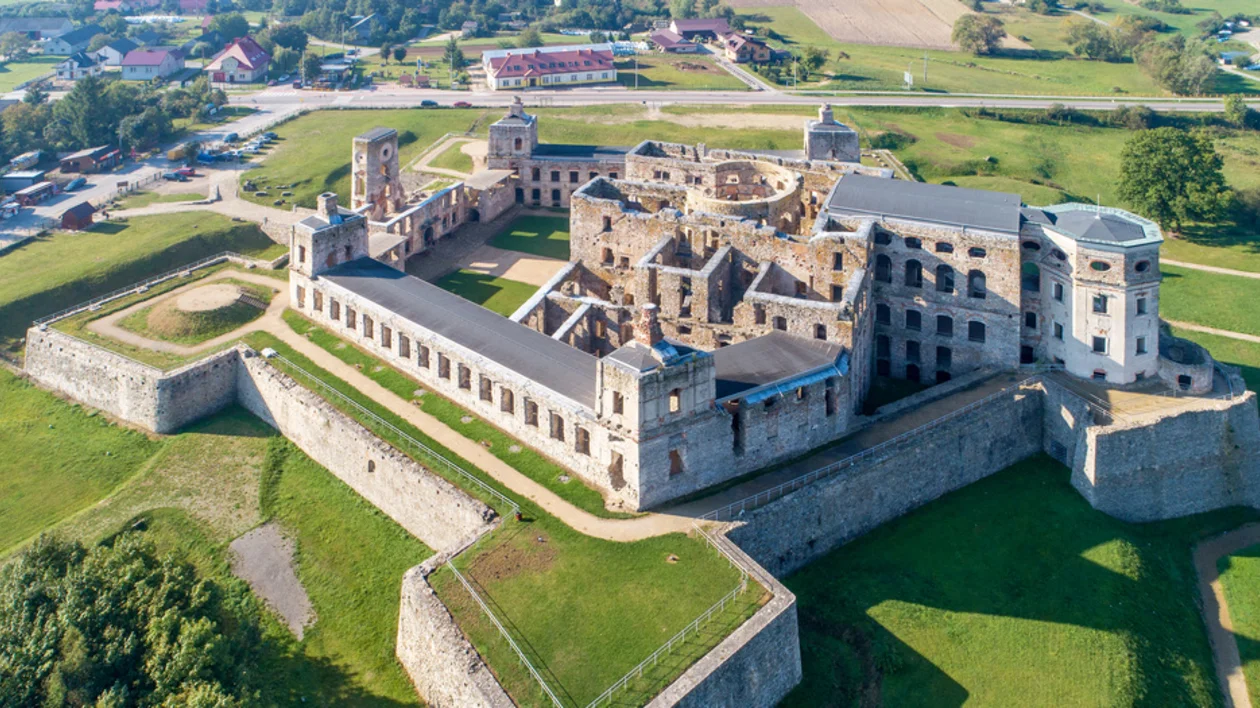
In Ujazd, see the monumental ruins of 17th-century Krzyżtopór Castle. It represented the calendar with 365 windows, 52 rooms and 12 halls corresponding to the days, months, and weeks of the year. Its scale and symbolism still impress visitors; stone corridors and open courtyards echo with ancient legends.
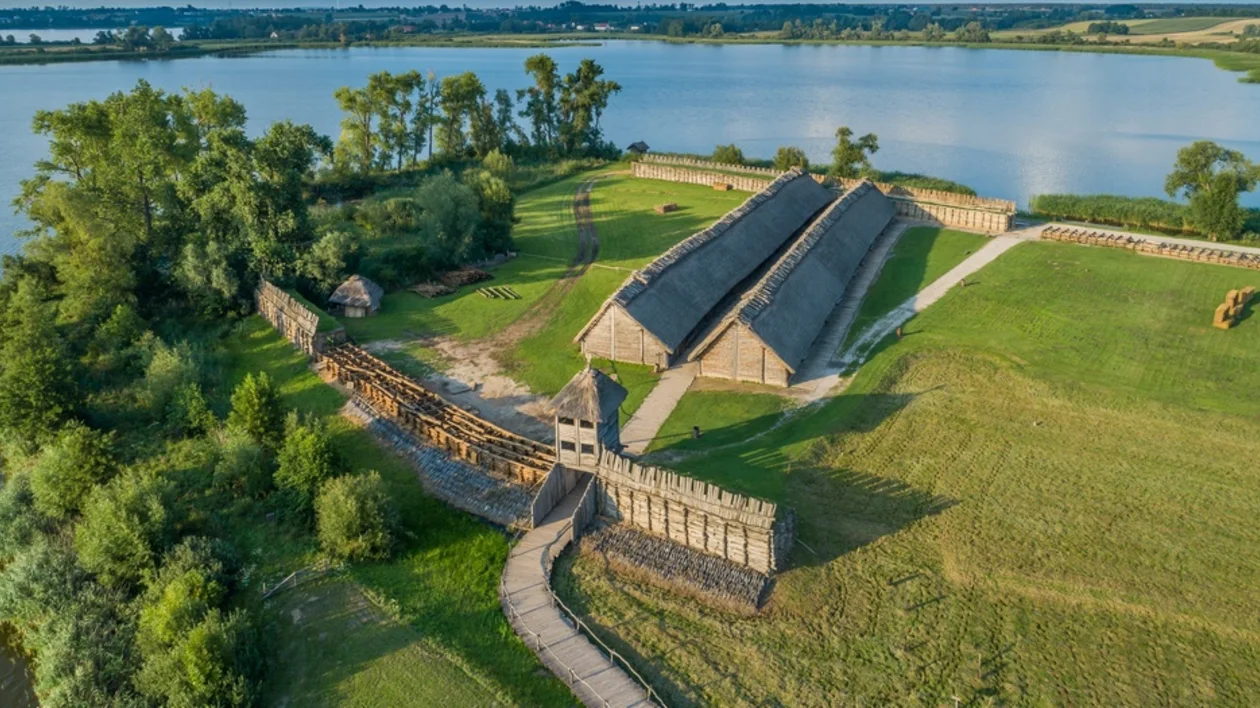
Travel further back in time to Biskupin, seated between Poznań and Bydgoszcz. Often called the “Polish Pompeii”, this reconstructed settlement from 2,700 years ago lets you touch the very beginnings of European civilization. The wooden ramparts, cobbled streets, and the extraordinary silence of the nearby lake make it one of the most evocative places on Poland’s map.
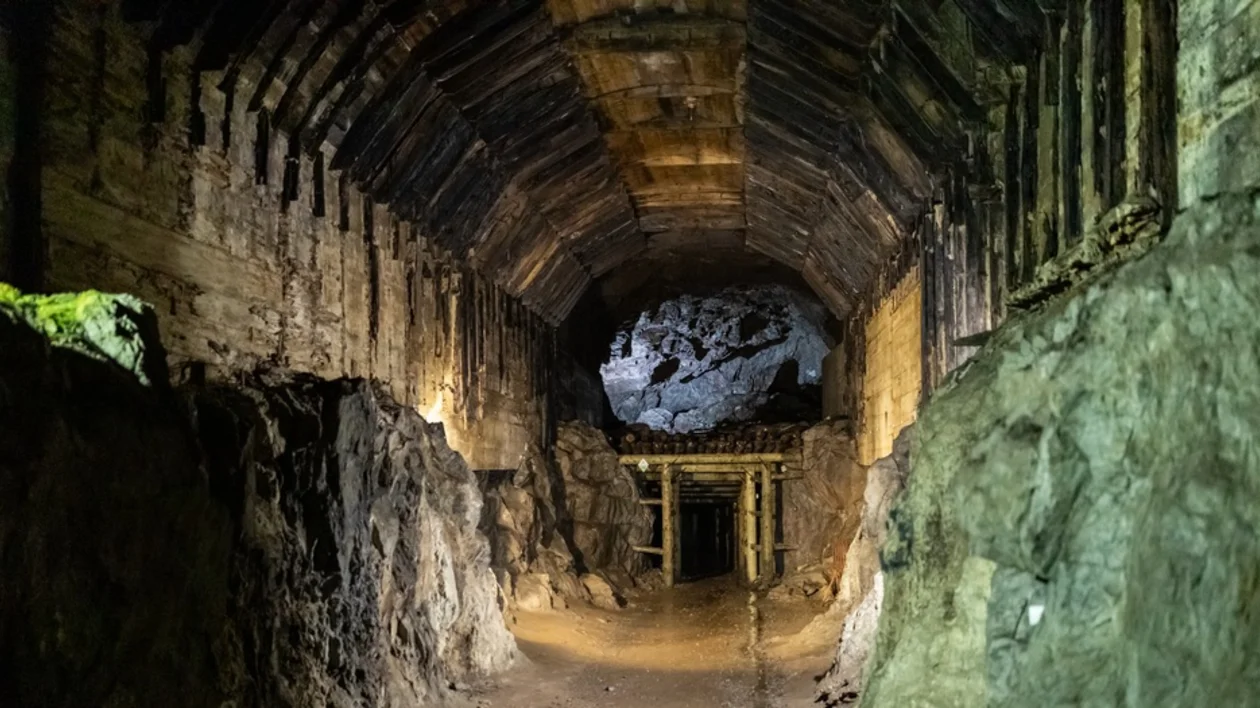
In south-western Poland, not far from Wałbrzych, in the picturesque Owl Mountains (Góry Sowie), lies one of the most mysterious sites connected with the Second World War: the Riese complex. This is a huge network of underground tunnels and halls built by Nazi Germany between 1943 and 1945. Their exact purpose remains unexplained to this day. Several parts of the complex — Osówka, Rzeczka and Walim — are open to visitors, each offering different routes for casual explorers as well as thrill-seekers.
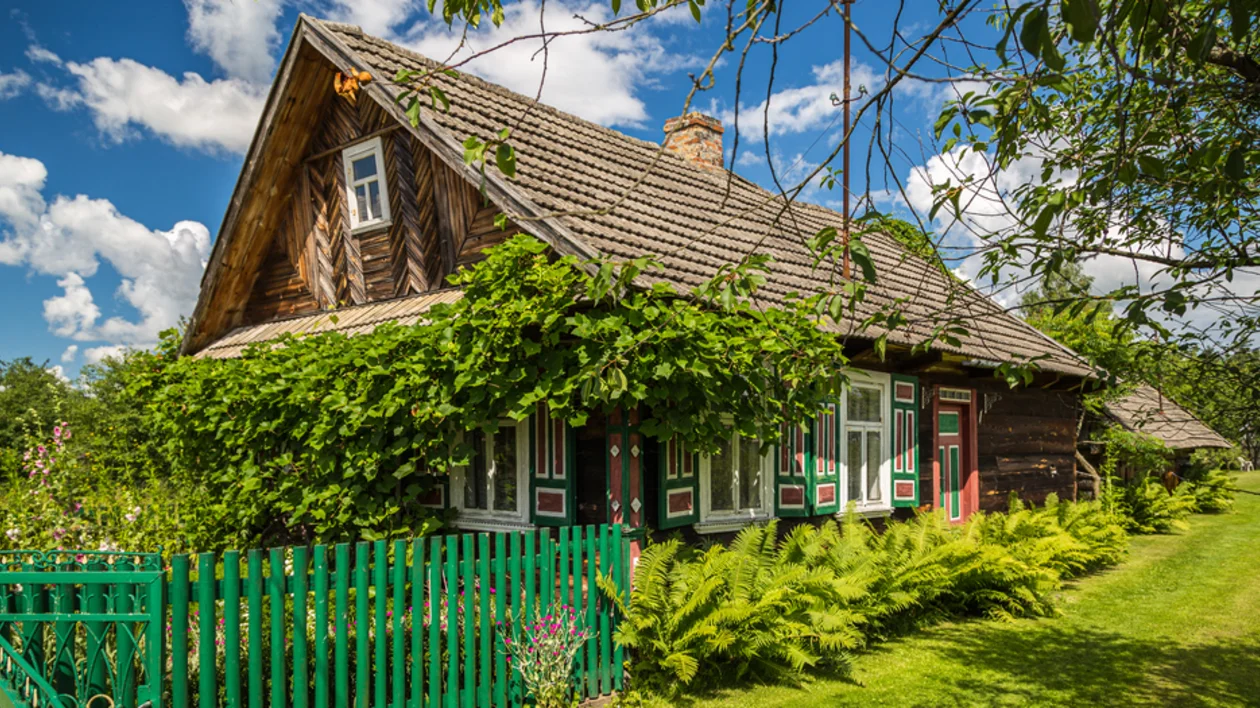
Eastern Poland, in turn, enchants with its calm, multicultural soul. The Land of Open Shutters — the villages of Soce, Trześcianka and Puchły in Podlasie — captivates with colorful wooden houses adorned with intricate ornaments and with people renowned for their warm Polish hospitality. It’s a region where traditions, nature, and local rhythms create an extraordinarily authentic picture of life as it was.
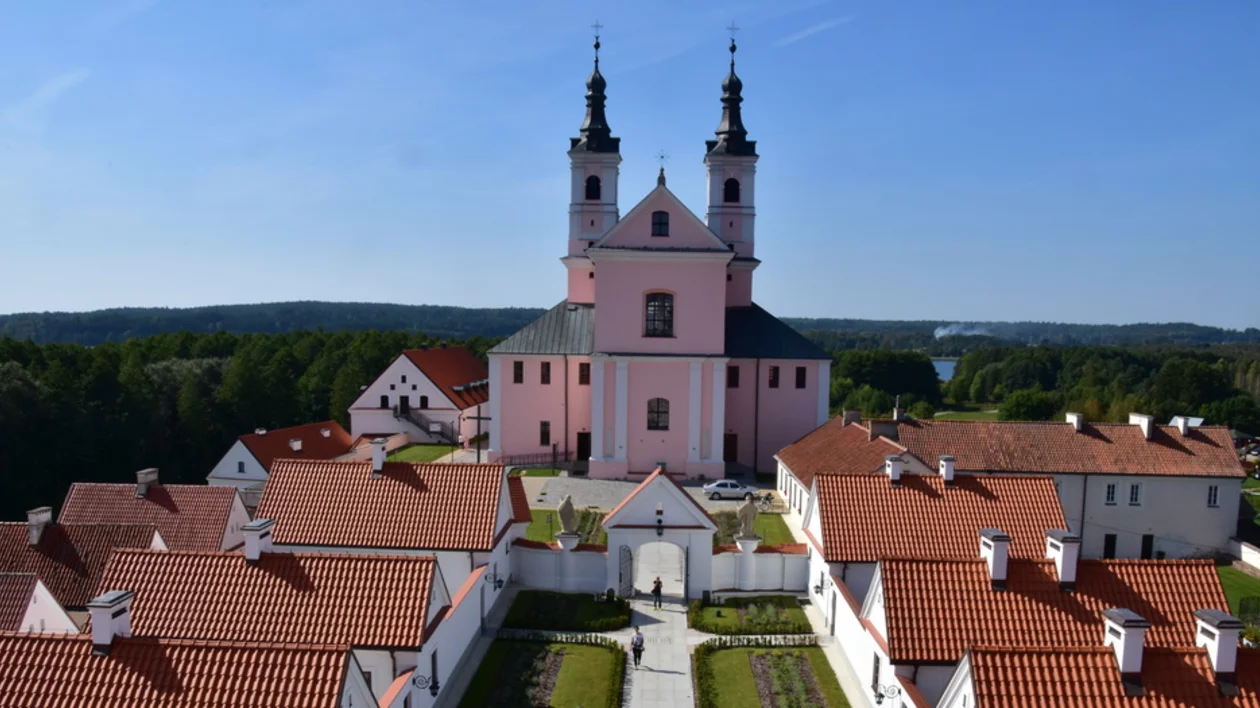
In the picturesque Suwałki region on the shore of Lake Wigry is the former Camaldolese Monastery in Wigry — one of the area’s most spiritual places. Perched on a hill above emerald-green water, the former hermitage impresses with its austere architecture and perfect harmony with nature. The silence, views, and stories of monastic life make it an ideal place to experience Europe’s spiritual heritage in a very special setting.
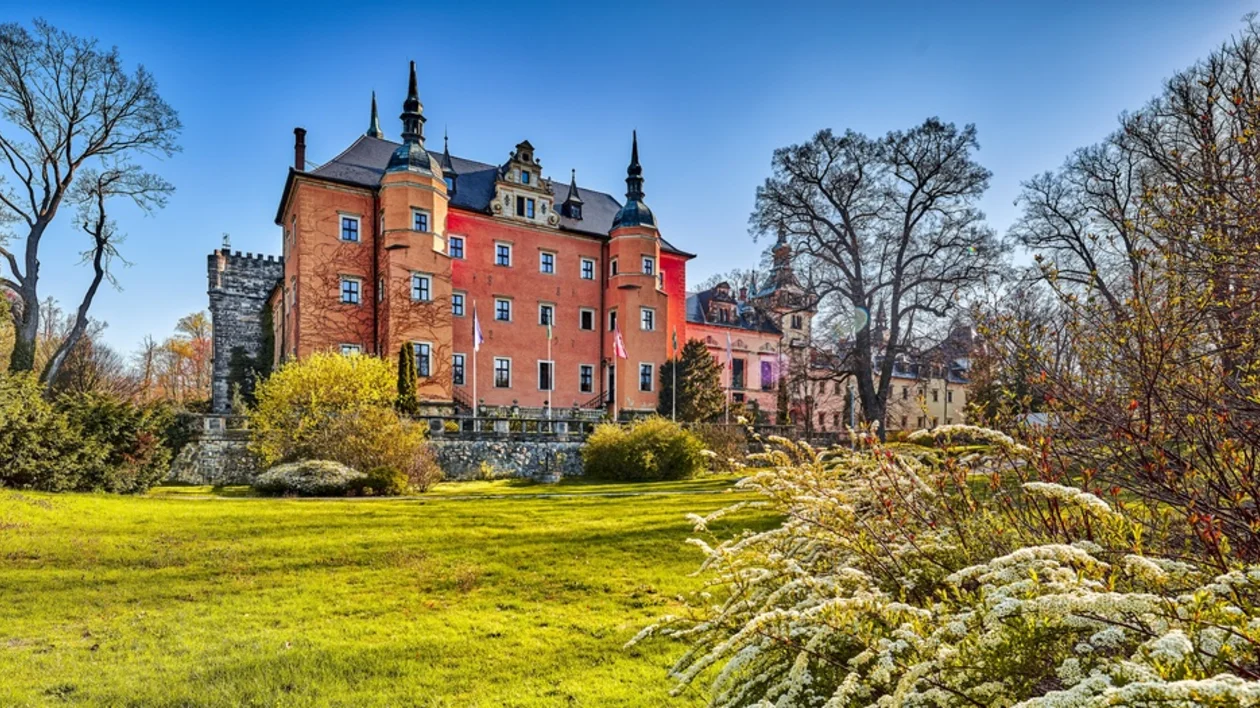
Amidst the vast Lower Silesian Forests (Bory Dolnośląskie) — one of the largest forest complexes in Poland — rises Kliczków Castle, its origins in the 13th century. Its present neo-Renaissance appearance is the result of a 19th-century renovation when it became a magnificent residence of the von Promnitz and von Solms-Baruth families. The combination of medieval foundations with elegant 19th-century architecture gives it a unique character: aristocratic yet cozy.
Visiting these amazing places lets you feel history come alive once again — in the landscapes, stories and details hidden away from the most popular itineraries. It is here that you will discover Poland at its most authentic and most magical.