Explore railway treasures!
The Mureș River, Romania’s second longest river after the Danube, forms a large valley on its way out of the Western Carpathians. Above the river, the fortresses at Deva and Șoimoș have overlooked the valley since medieval times. Nowadays, in the Mureş Valley between Deva and Arad, lies the final leg of the Magistrala 200 (main railway).
The segment between Bucharest and Brașov, the first part of the Magistrala 300, offers spectacular views over the Southern Carpathians at Sinaia, Bușteni and Predeal, famous mountain resorts. It is one of the most frequented routes for a day out when staying in Bucharest.
The segment Drobeta Turnu Severin–Orșova, part of Magistrala 100, takes you along the beautiful Danube just before the beginning of the Danube Gorges, the longest (144 km) and most spectacular river gorges in Europe. The attractions of the area include Decebal’s Head (the last king of ancient Dacia), said to be the highest stone sculpture in Europe at 40.5 meters; Veterani Cave; Ponicova Cave; Mraconia Monastery; Tabula Traiana; Iron Gates Region Museum with its various sections; and Iron Gates Nature Park.

In the Banat historical region is the Oravița–Anina Mountain Railway, known as Banat Semering, the oldest in Romania. It was launched in 1863 and along its 34-kilometer distance, with 14 tunnels and 10 viaducts, it passes through a wonderful mountain landscape which can easily be admired during the two-hour ride as the train runs at only 17 km/h.
In other parts of the country are historical steam trains, an attraction for slow travel fans, as in Bucovina, starting from Moldovița, or in Maramureș along the Vaser Valley.
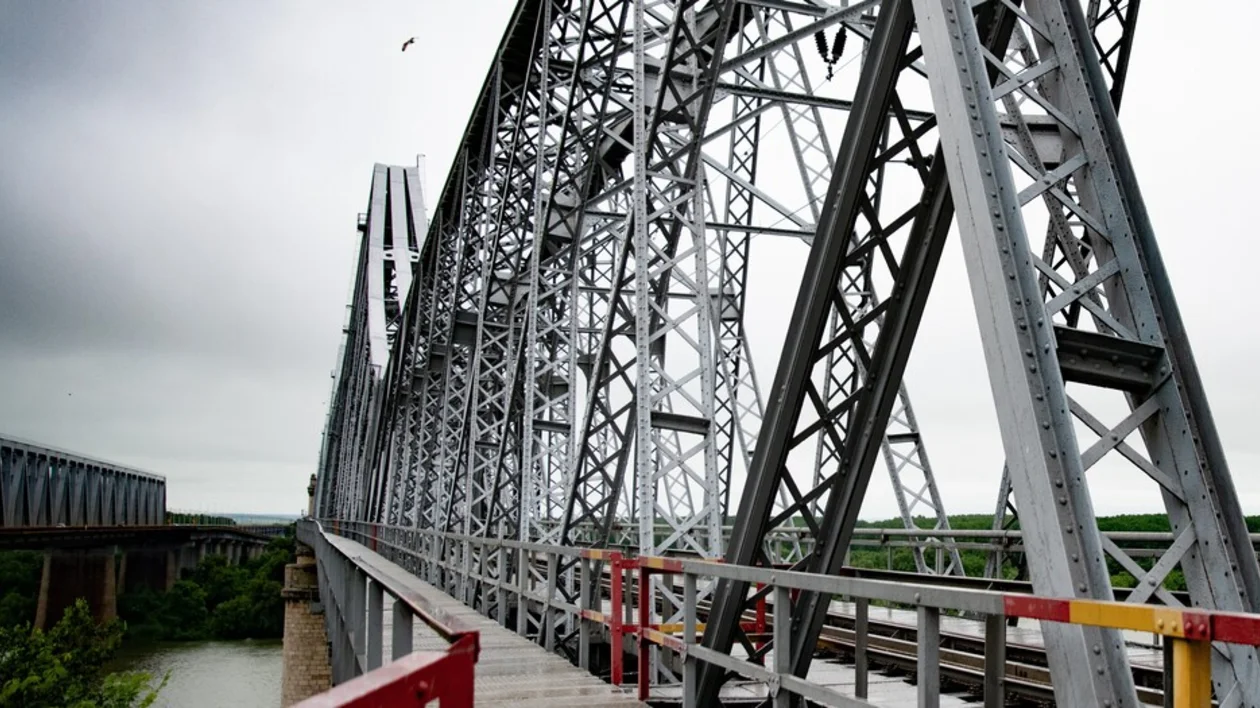
The group of bridges and viaducts crossing the Danube between Fetești and Cernavodă, designed by the famous engineer Anghel Saligny and inaugurated in 1895, were the longest in Europe. It still represents the most important work of Romanian railway engineering.