Beyond Croatia’s iconic hotspots, there’s a quieter, more authentic side waiting to be discovered, one shaped by local voices, hidden routes, and places that rarely make the front pages of travel guides.
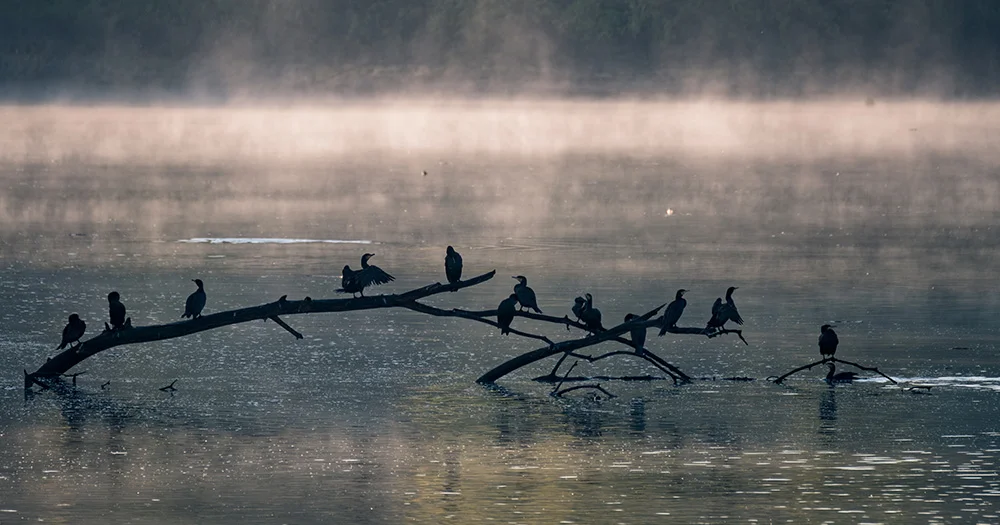
To begin exploring, start in Baranja, near Kopački Rit Nature Park, where mist rises over wetlands at dawn and wooden boats glide silently through reed-filled channels, with little more than birdsong in the air. Here, visitors can head out with local guides from Bilje, listening to stories of life along the Danube as white-tailed eagles circle overhead. Afterwards, lunch won’t be served in a restaurant but in a family courtyard, with homemade fish stew and paprika-spiced specialties prepared over an open fire.
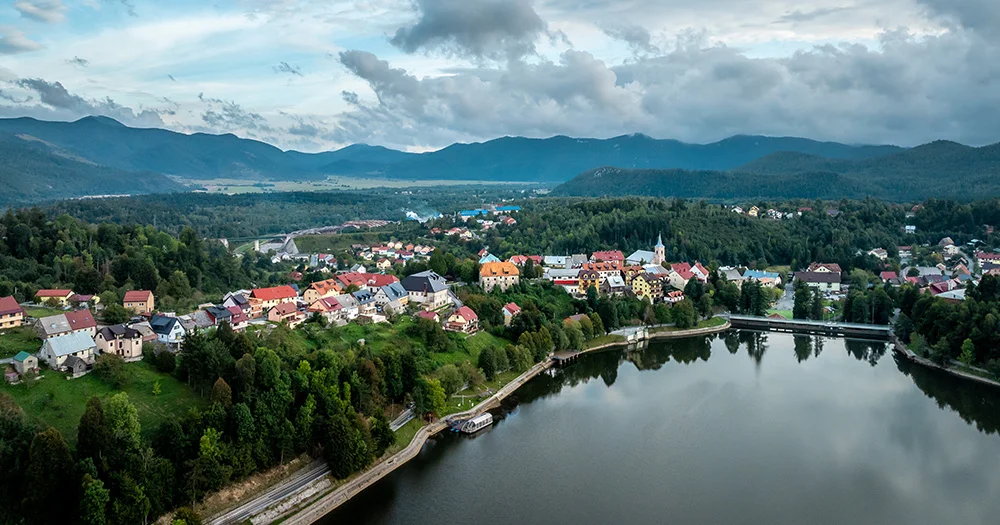
From Baranja, you can head west to Gorski Kotar, a forested region often called Croatia’s “green lungs.” In the village of Fužine, locals organize small group hikes to hidden viewpoints and caves. Meanwhile, in Ravna Gora, you can join foraging walks to collect wild mushrooms and herbs. People come here to slow down — that’s really what it’s all about. It’s a refreshing contrast to the busy coastline just an hour away.
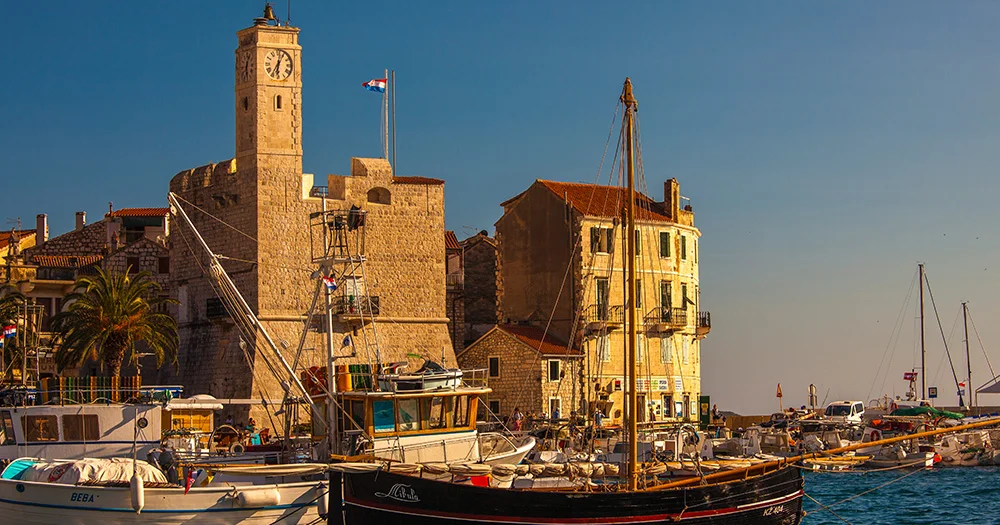
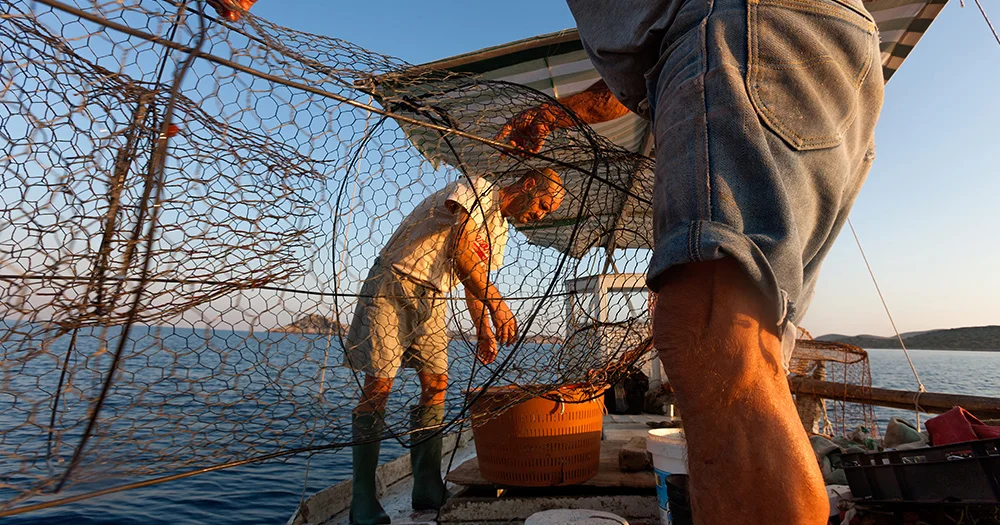
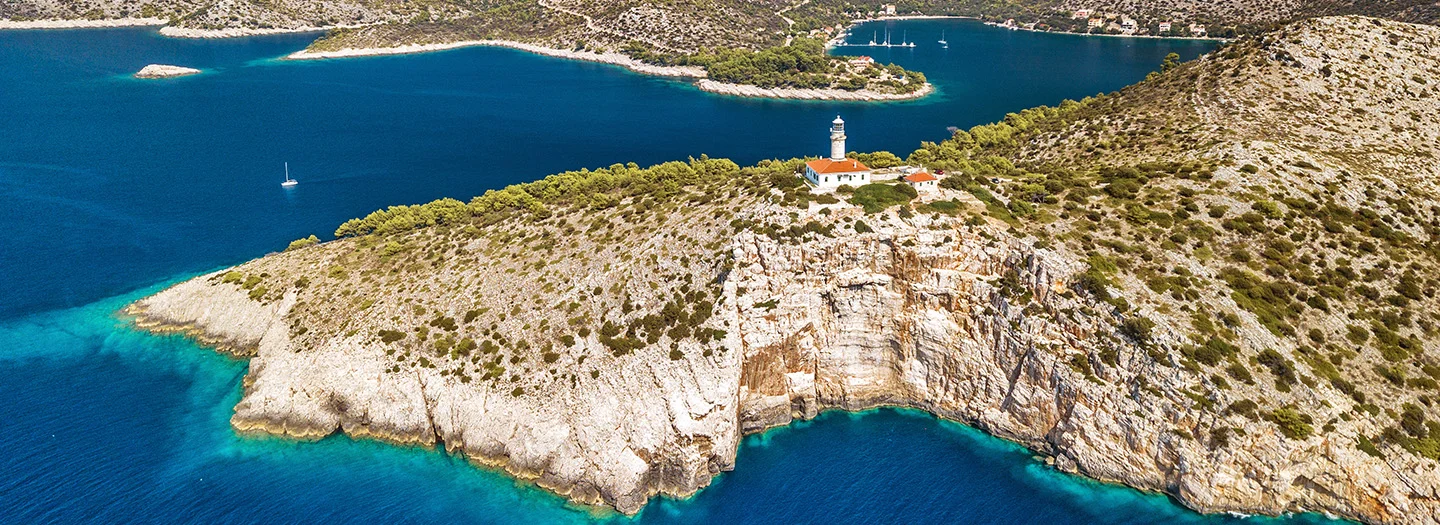
Along the Adriatic, you can discover Vis Island, where life still moves at its own, unhurried pace. In the fishing village of Komiža, mornings begin with fishermen returning with their catch, while evenings are spent in local konobas that serve dishes like grilled sardines and locally produced wine. Nearby, the island of Lastovo, a protected nature park, offers some of the darkest skies in Europe, perfect for stargazing after a day of cycling through untouched landscapes.
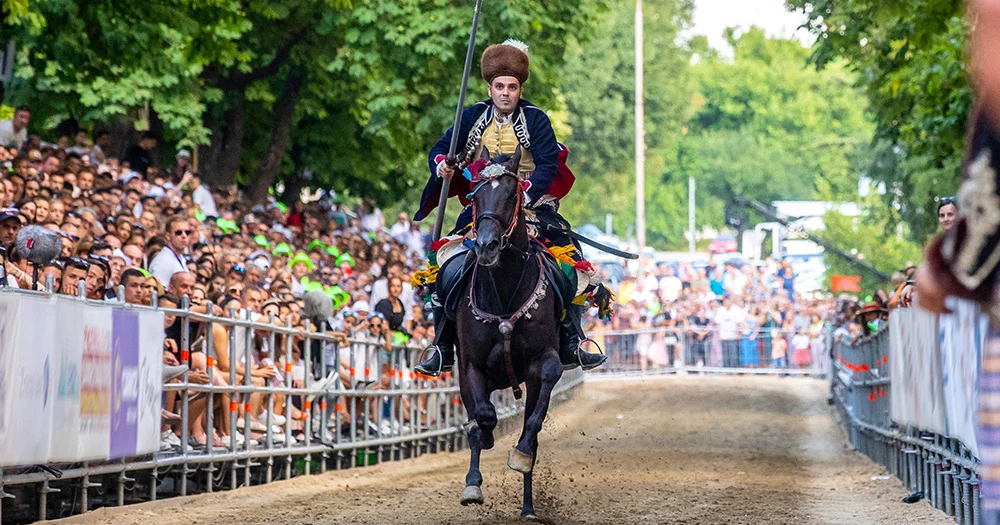
Unexpected experiences can be found even in familiar destinations. Just outside Split, the Dalmatian hinterland reveals towns like Sinj, where tradition lives on through events such as the Alka knight tournament. In the surrounding countryside, family-run estates invite visitors to learn how to prepare peka — meat and vegetables slow-cooked under a bell-shaped lid — while sharing stories passed down through generations.
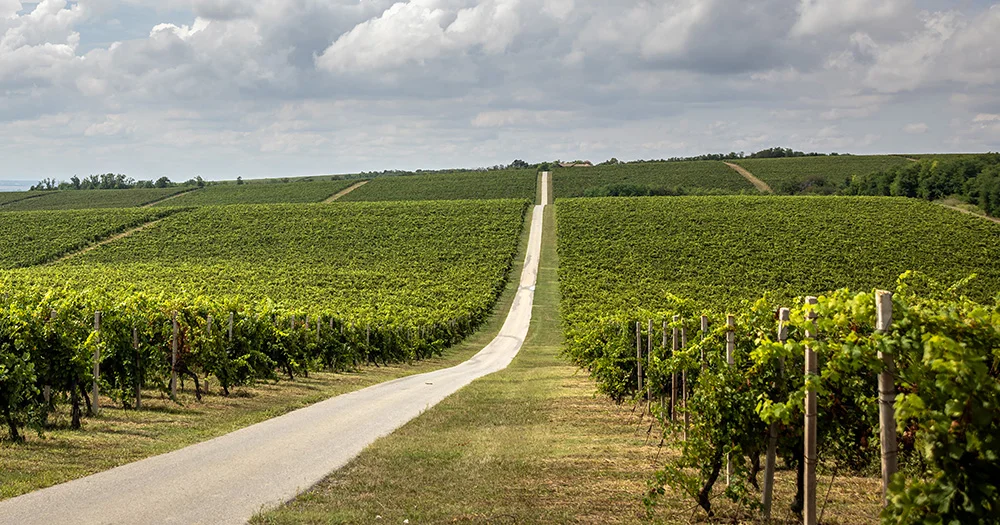
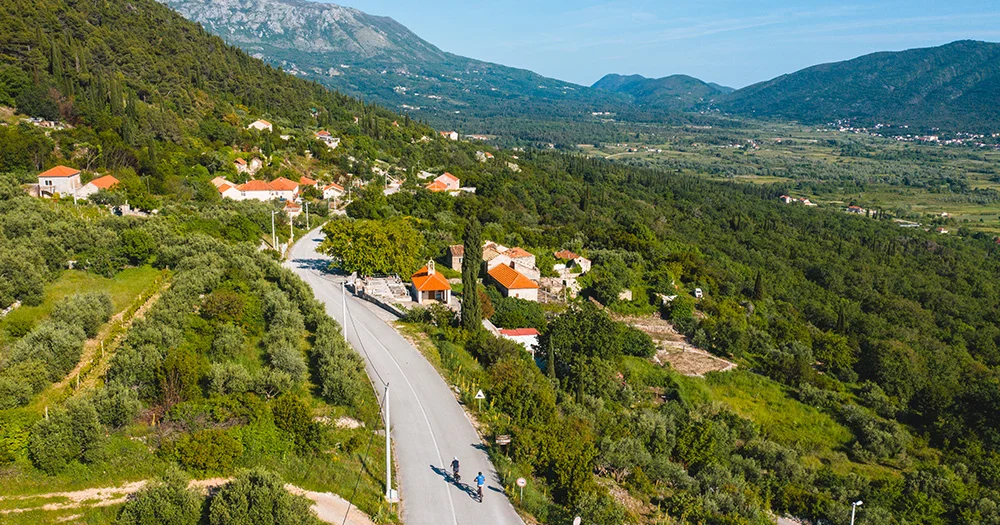
Further south, the Konavle region offers a different rhythm. This is where travelers can visit small wineries, walk through vineyards, or watch artisans create traditional silk embroidery. Local culture truly lives here, quietly and deeply rooted.
These journeys aren’t about ticking off landmarks — they’re about connection. Croatia’s lesser-known regions offer a chance to engage directly with local communities, support small producers, and experience traditions that remain firmly established and practiced.
This summer, take a different turn. Follow inland roads, listen to local stories, and let Croatia reveal itself slowly, through its people, its flavors, and its hidden corners.