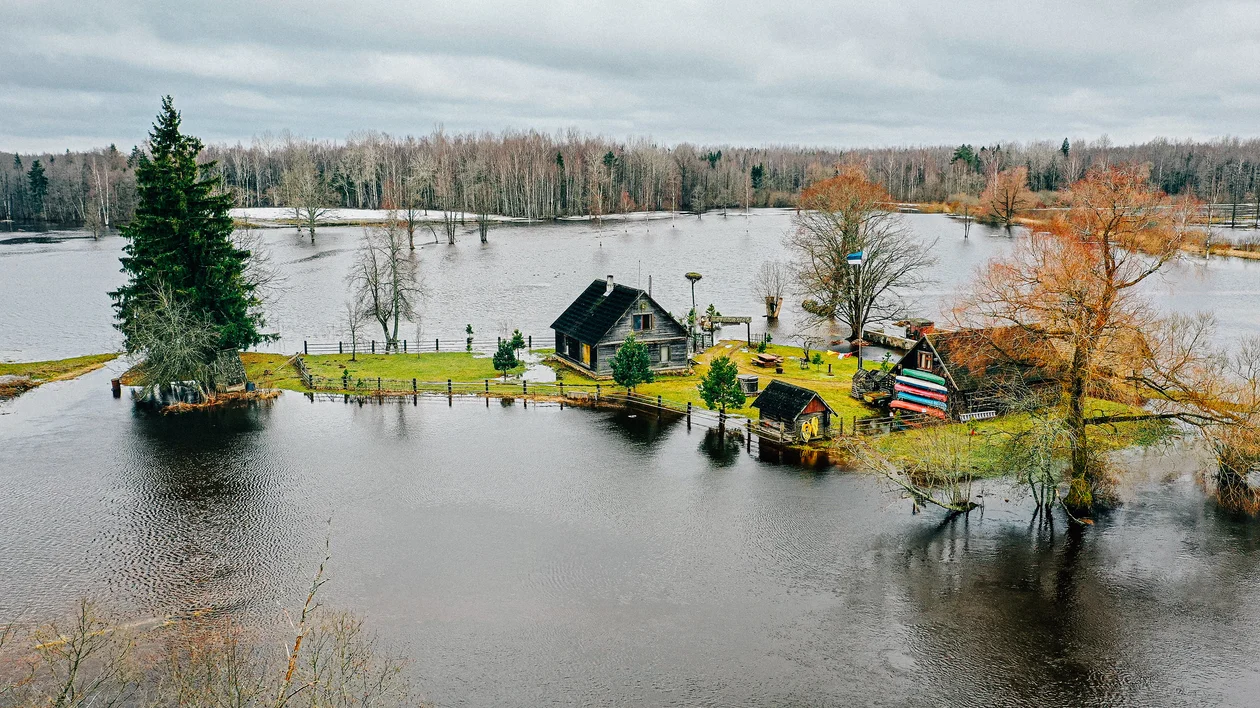
The floodwaters of Soomaa National Park
Around the end of March or early April, the winter snows melt, the water levels rise, and rivers flood the meadows and forests of Soomaa National Park. These floods are so reliable that they’ve come to be known as the “fifth season” — Estonia’s extra season between spring and summer.
The best way to experience Soomaa’s fifth season is by canoe. If you go during the week, you may have the park to yourself. You’ll hear the bottom of the canoe scratch against submerged branches and the paddles knocking against submerged trees as you make your way through the flooded forest. Other than that, it is quiet, like gliding over glass. Rent a canoe and strike out on your own, or hire a guide with in-depth insight into the ecology and culture of the park.
While this is a novel visitor experience, locals have lived with this natural phenomenon for centuries. Dugout canoes, called haabjas in Estonian, were once the boat of choice, though nowadays, you will see more fiberglass canoes. Even so, haabjas are still made in Soomaa, the knowledge passed down through the generations, from master builder to apprentice. The tradition continues, especially now that the process has made it onto UNESCO’s List of Intangible Cultural Heritage.
Four tips for visiting Soomaa National Park during the fifth season:
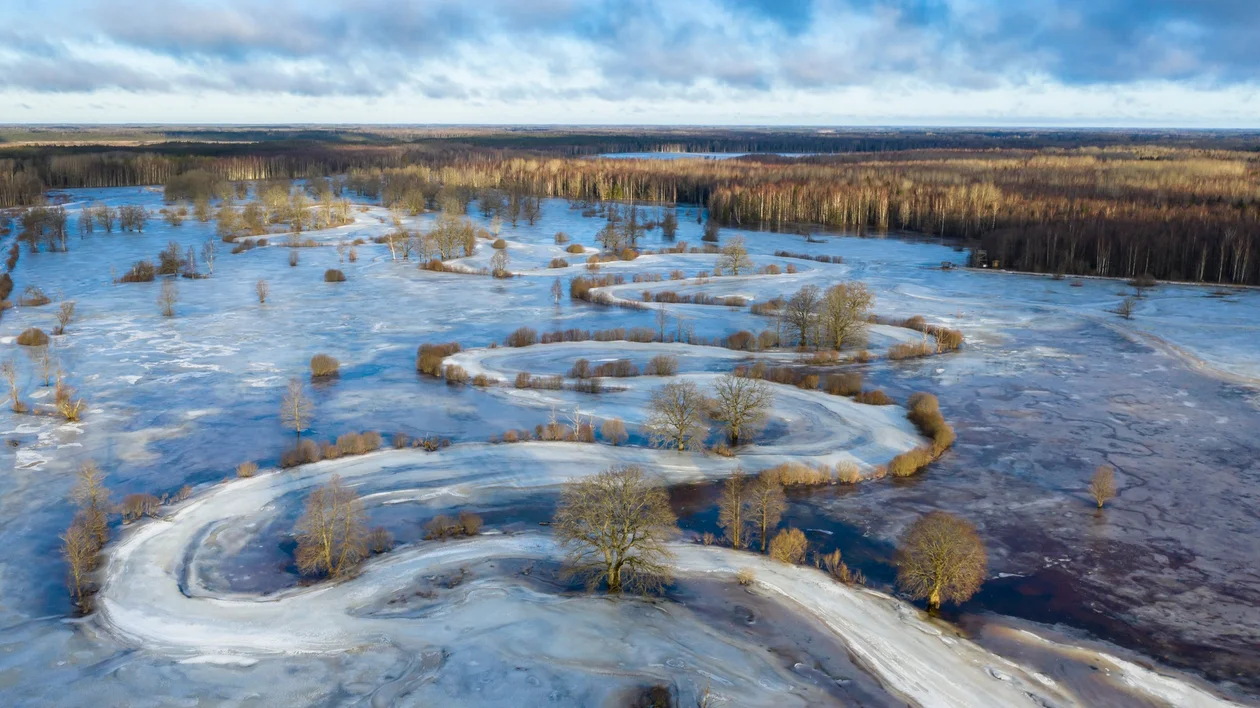
- Be prepared for a spontaneous trip or plan to stay in Estonia for a stretch. The flood happens every spring, but it's impossible to know the exact dates more than a few days beforehand. Flooding does occur at other times of the year, but it is at the whim of the weather. Occasionally, warm winter temperatures cause an early thaw, and the temperature drops and the floodwaters freeze. Then you can even go ice skating or kick sledding over the frozen flood meadows.
- Use Pärnu or Viljandi as a base for visiting the park. Pärnu is an easy two-hour bus ride from Tallinn, while Viljandi takes about the same time to reach by train. Both cities have options to keep you busy while you wait for the right time to go canoeing.
- Take the time to learn more about this unique region of Estonia. Soomaa is a national park, which limits new development, but humans have lived there for centuries. The Second World War and the occupation changed things, though, as the Soviets sent thousands of rural residents to Siberia and collectivized farms. You can learn more at the Soomaa Visitor Center.
- Visit the workshop where Aivar Ruukel makes haabjas and take one out onto the water. Depending on the timing of your visit, you may even get to participate in part of the process. He spearheaded the campaign to get Estonia’s dugout canoes listed by UNESCO, and as locals, he and his business partners are an invaluable source of information about Soomaa.