Gregor Alaküla and his mother, Tiina Kuuler, run Valgejõe Veinivilla, Estonia's northernmost winery. He’s also the founder of the Estonian Wine Trail, a network of family-run wineries across Estonia that welcome visitors and produce wines using local ingredients.
We sat down with Gregor to talk about winemaking in Estonia, the country’s growing wine tourism scene, and his latest venture, Estonian Wine Safari.
Are people surprised to hear that Estonia is a winemaking country?
Gregor: People don't usually think of Estonia as a wine country because they assume we don't have a long winemaking tradition. But we actually have more than 100 years of winemaking history. In the 1920s, the country's first two wineries were established. One was Põltsamaa; the other was Luscher & Matiesen in Tallinn, on Toompea.
Traditionally, Estonian wines have mostly been made from fruits and berries, but as the climate gets warmer, local grapes are also being used, with very good results. Some Estonian wines, including wines from my winery, have even won international medals, such as silver and bronze at the Paris Wine Cup, which is a major achievement.
What types of grapes are grown in Estonia?
Gregor: In Estonia, we mostly grow hybrid grape varieties that are more resistant to the cold and can survive our harsh Nordic climate. Officially, wine can only be called wine if it is made from grapes. People don't think of Estonia as a wine country, but that isn't really the case. In 2021, Estonia was officially designated as a wine-growing zone. We are part of Zone A, the same zone as parts of northern Germany.
What is a Wine Safari?
Gregor: The Wine Safari is a day trip to three Estonian wineries along the North Estonian Wine Trail. I can take two or three people in a bright yellow Lada or a modern BMW. For larger groups or birthday celebrations, I can arrange a bus.
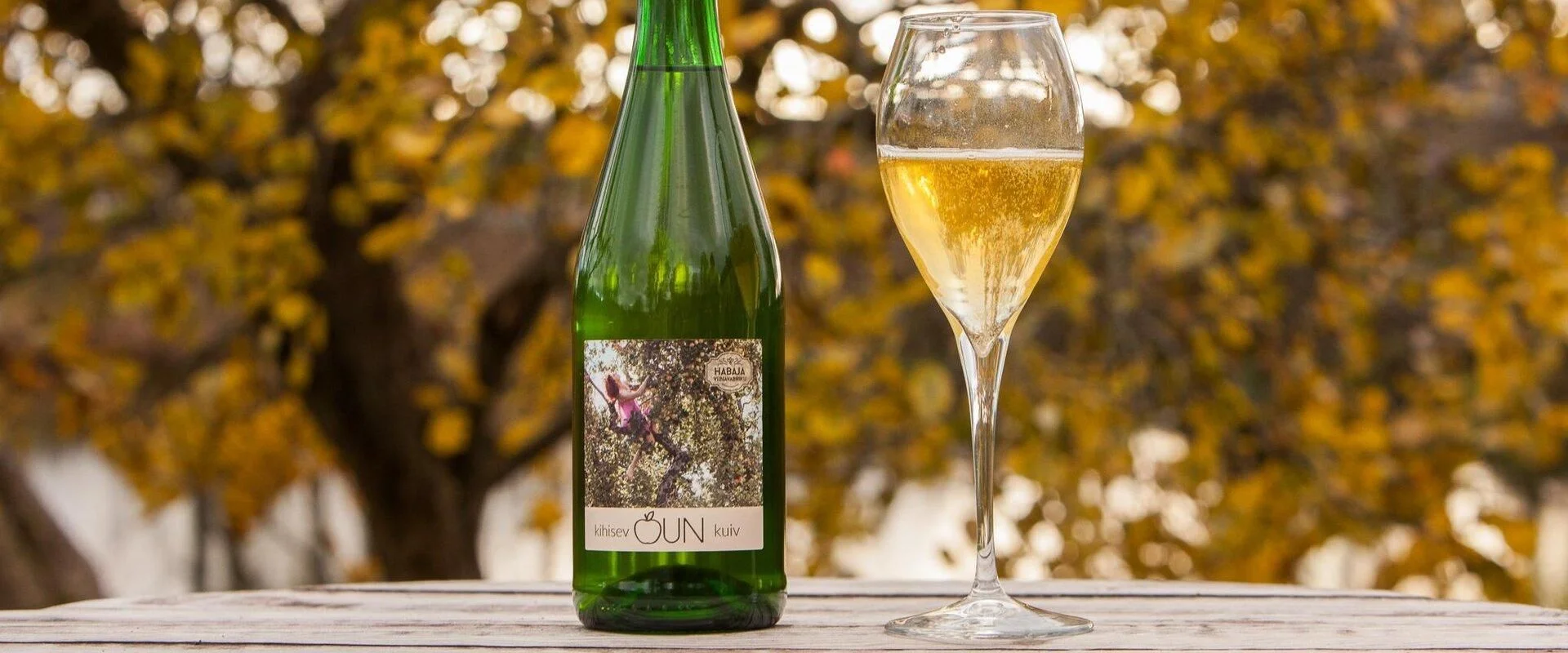
We start in Tallinn, followed by a 45-minute drive to my family winery. There, we take a tour, taste five or six wines, and have lunch because my mother is also a very good cook. Then it's another 45-minute drive to Aru Manor for a tour that includes tastings, a visit to the cellar, an introduction to how their products are made, and a chance to sample their spirits. The final stop is Habaja Distillery. They're also known for their pizza, which they cook outdoors in a clay pizza oven.
For people who don't have a full day for a Wine Safari, I also offer wine tastings in my home garden in Pirita, Tallinn.
When is a good time for people to come and visit Estonia’s wineries?
Gregor: Some wineries are only open during the summer, but many stay open year-round because they're family-run businesses. There's also plenty to experience in winter, from cozy Christmas parties in large halls to candlelit dinners.
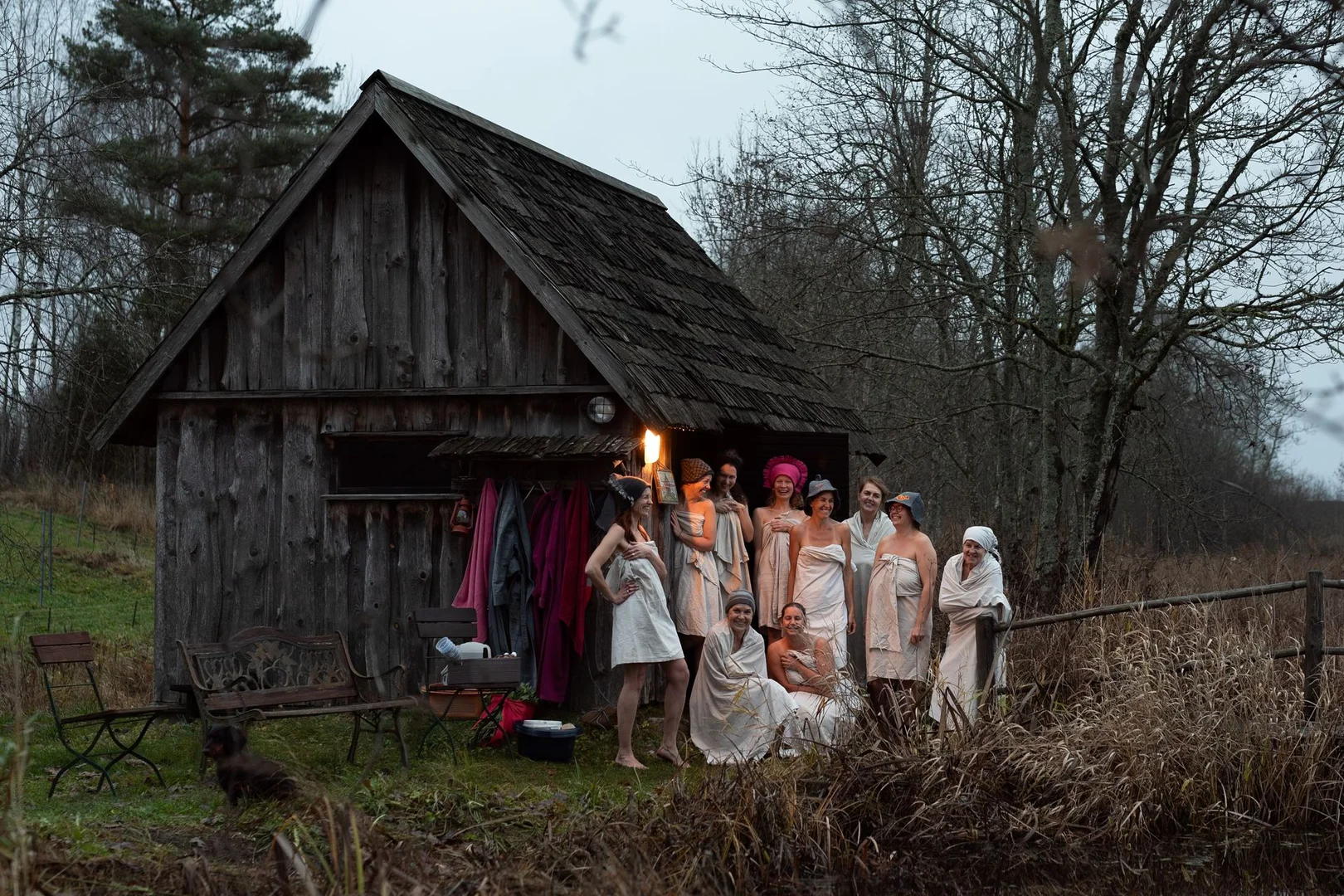
Estonia's southernmost winery, Uue-Saaluse, offers a tasting paired with a smoke sauna. The smoke sauna is even featured on their wine label. Sauna culture is closely connected to Estonian heritage, so it's a great way to experience two local traditions at once: the wine and the sauna.