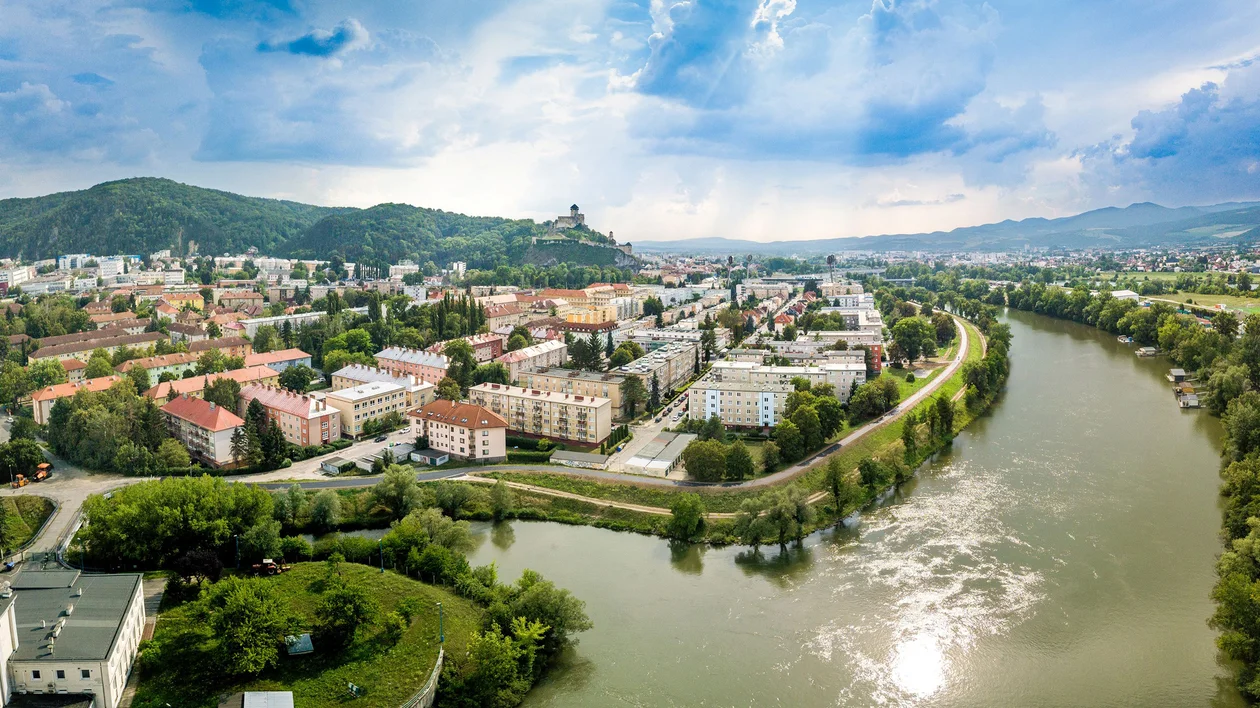
Travel is about the experiences, emotions, and stories people take home; culture, contemporary art, creative energy, and authentic local life are the elements that transform destinations into vibrant, inspiring spaces.
Košice: a creative city where history meets the future
The UNESCO Creative Cities Network is an international program that connects culture, creativity, and sustainable urban development.
Slovakia is represented in the network by Košice, which bears the title “Creative City of Media Arts”, ranking it alongside global creative hubs such as Linz, Toronto, Lyon, or Tel Aviv.
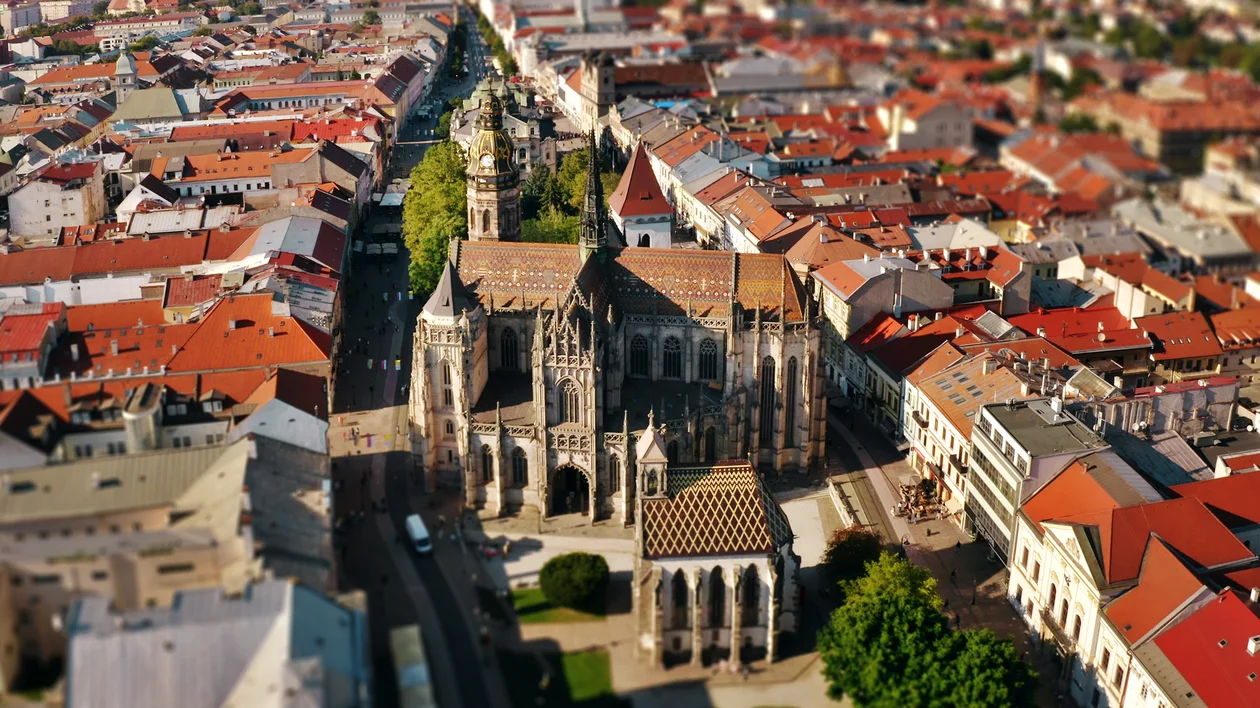
In the center of Košice, visitors can admire Dóm svätej Alžbety (St. Elisabeth’s Cathedral), the largest Gothic cathedral in Slovakia, stroll through historic streets, and discover contemporary art projects, digital creations, and experimental art forms.
Košice is easily accessible via air links from various European destinations, making it a natural entry point for exploring eastern Slovakia.
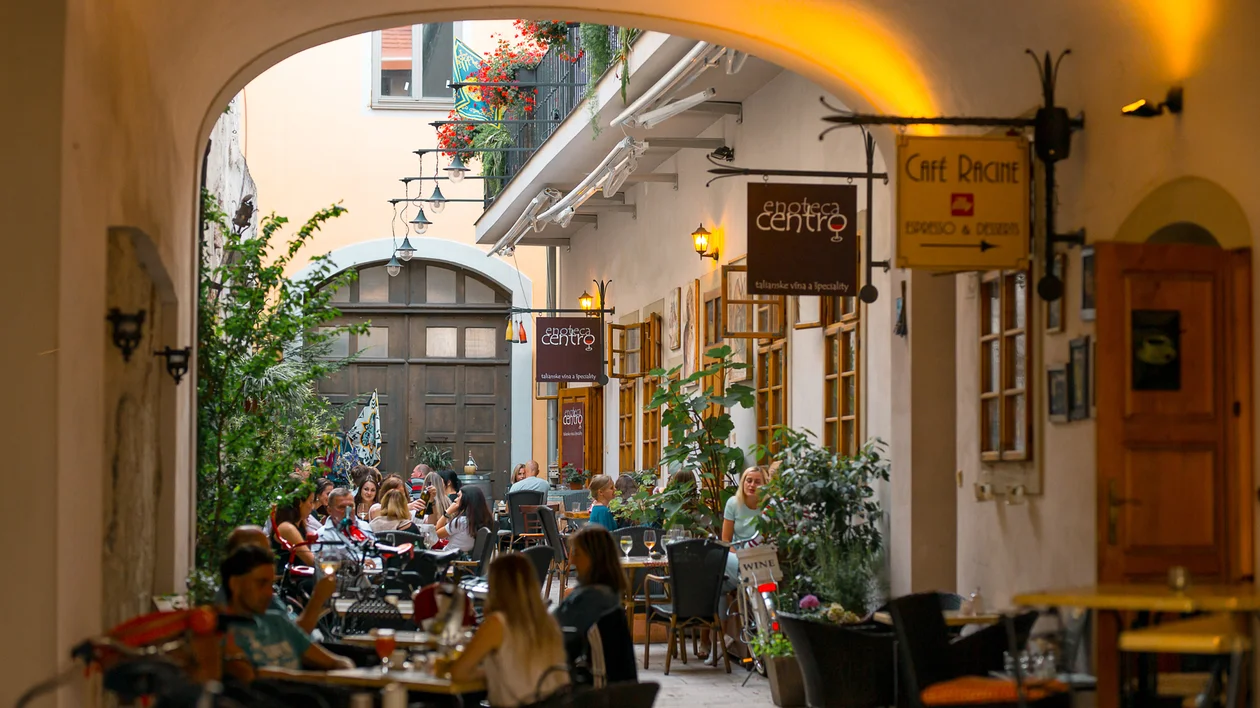
When a city turns into a gallery
One of the highlights of the cultural scene in Košice is Biela noc (White Night), the largest contemporary art festival in Slovakia. The festival is also held in Bratislava, the capital city.
Another big event is Art & Tech Days, which links the worlds of art and technology. It brings artists, researchers, designers and tech experts from various countries together in Košice and sparks discussions on the trends shaping the future of the creative industries.
Trenčín 2026: Slovakia on the European cultural map
Slovakia offers far more than just one creative story: If you head to the western part of the country, the spotlight falls on Trenčín – European Capital of Culture for 2026.
Nestled beneath majestic Trenčín Castle, the city offers visitors a mix of history, architecture, and contemporary cultural life. Aside from the iconic castle, visitors can explore the historic town square or view one of Slovakia’s most significant Roman inscriptions.
The year 2026 has brought a new dimension to Trenčín: as European Capital of Culture, the city will host a year-long program of events. One example is the Light Art Festival, which transforms the city into an open-air gallery of light-based art.
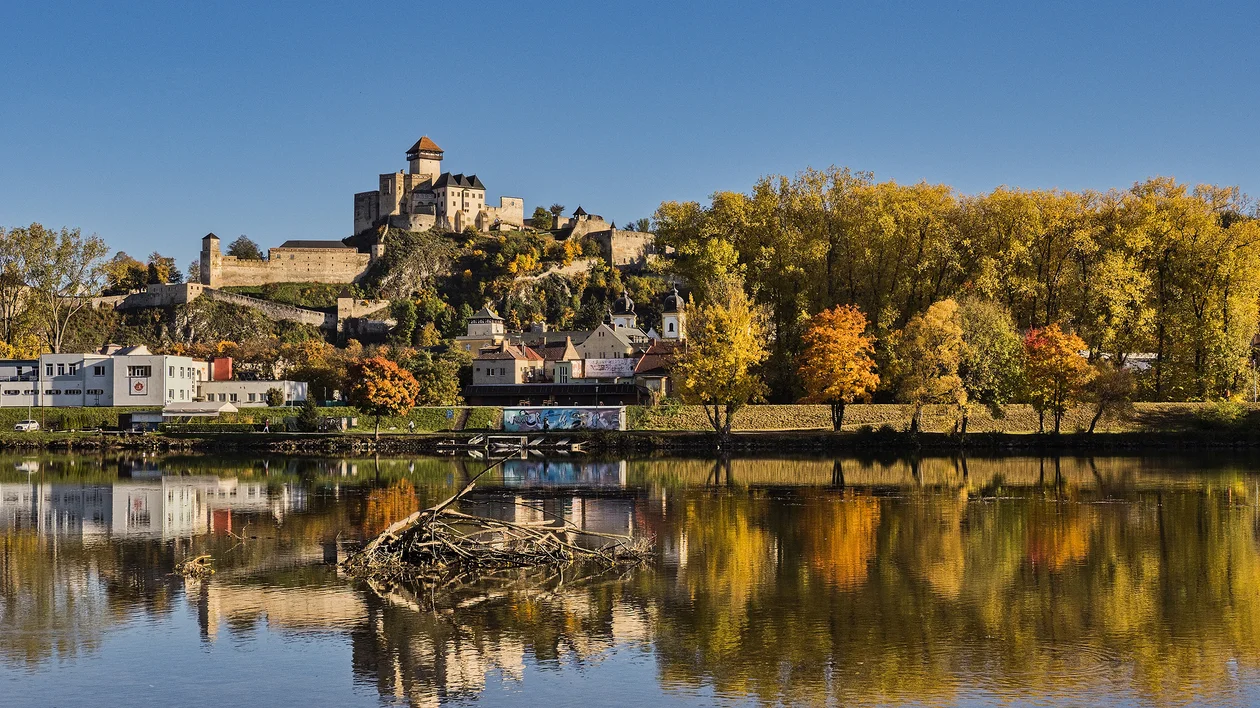
A striking symbol of Trenčín’s transformation during its time as the European Capital of Culture is the Fiesta Bridge, which offers one of the most beautiful views of the Váh River and Trenčín Castle.
Trenčín is also home to one of Central Europe’s most important music festivals, Festival Pohoda, which has won multiple prestigious awards.
The city is easily accessible, with convenient connections by both train and motorway, reachable within about ninety minutes from Bratislava and around two hours from Vienna.