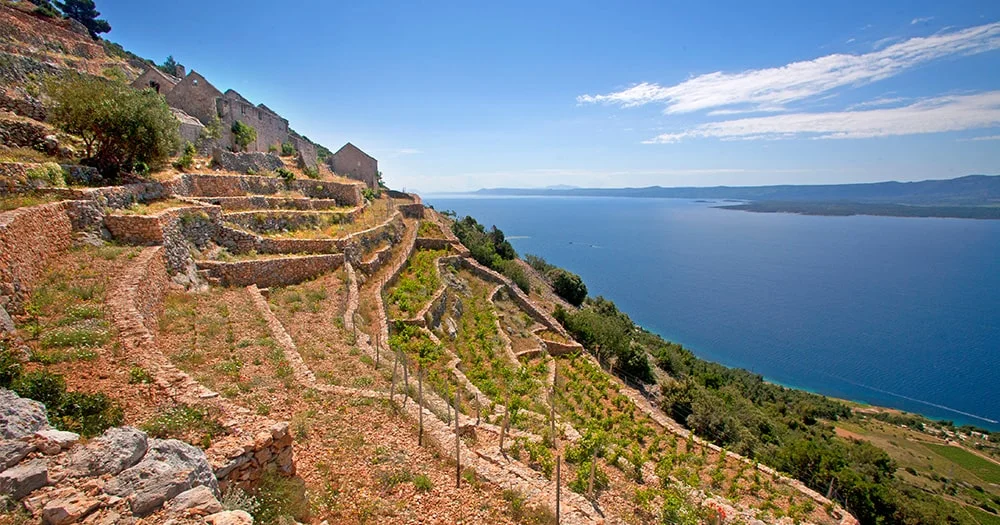
The know-how of dry-stone walling
The art of dry-stone walling has been used for centuries throughout Croatia and was inscribed on the UNESCO List of Intangible Cultural Heritage of Humanity in 2018.
The process involves stacking stones upon on other without using other binding materials except dry soil. Dry-stone structures are spread across most rural areas, mainly on steep terrain, inside and outside inhabited spaces. However, they are also found in urban areas.
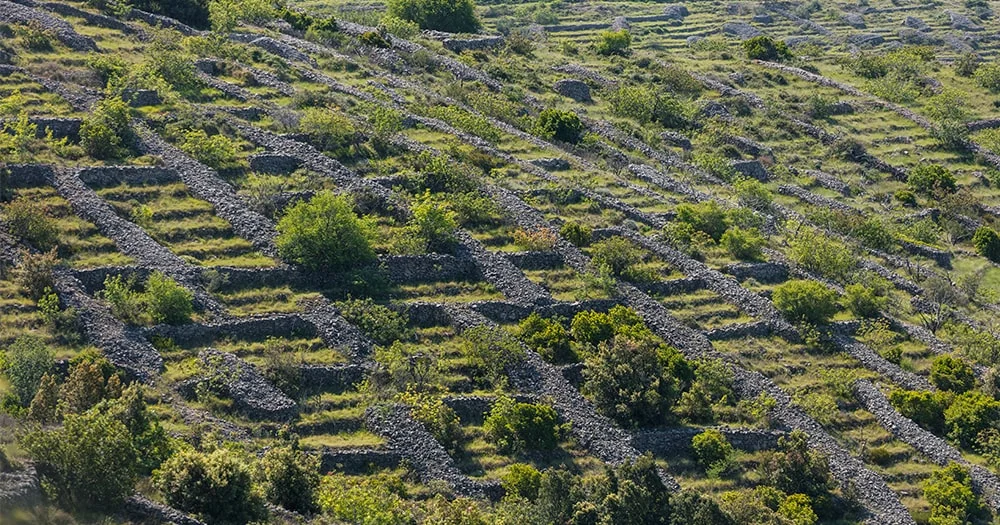
Almost all islands along the coast, the Dalmatian Hinterland, Istria, and Lika, have dry-stone walls. In these areas, the dry wall had a fundamental primary task: survival. Removing stones also ensured arable agricultural land.
The stability of the structures is ensured through the careful selection and placement of the stones. Such structures testify to the methods and practices used by people from prehistory to today to organize their living and working space by optimizing local natural and human resources.
The walls play a vital role in preventing landslides, floods, and avalanches and combating erosion, enhancing the land's biodiversity, and creating adequate microclimatic conditions for agriculture.
Both rural communities where the element is deeply rooted and professionals in the construction business rely on dry-stone walling for a variety of reasons. Dry-stone structures are always perfectly harmonious with the environment, and the technique exemplifies a balanced relationship between human beings and nature. The practice is passed down primarily through practical application adapted to the conditions specific to each place.
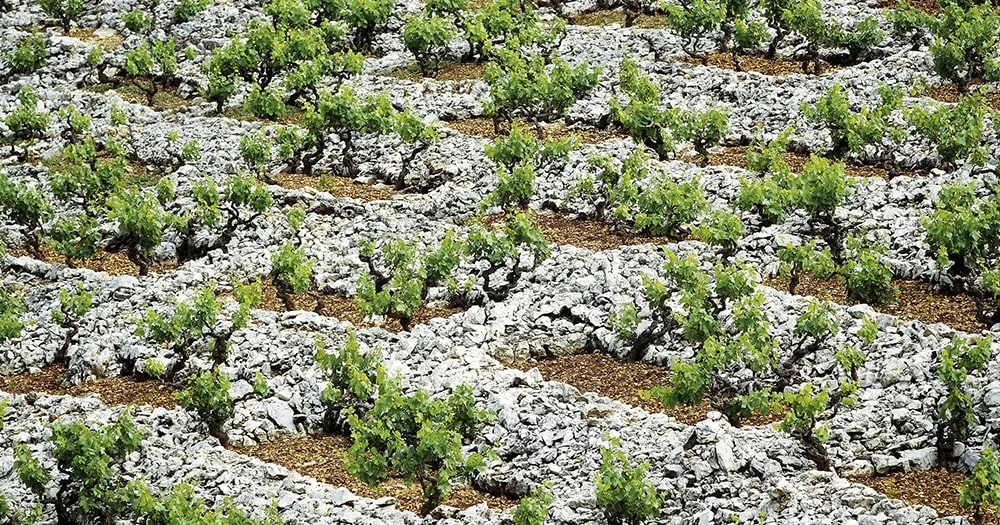
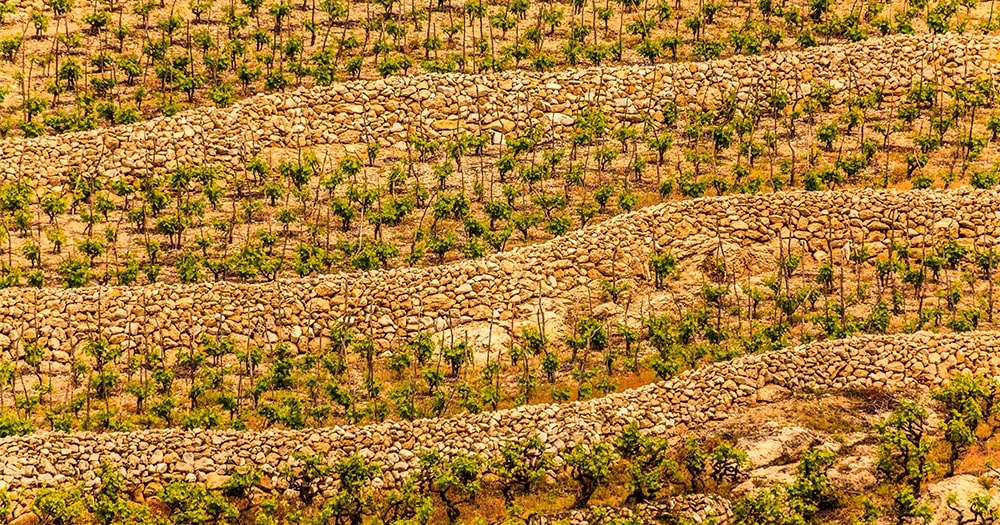
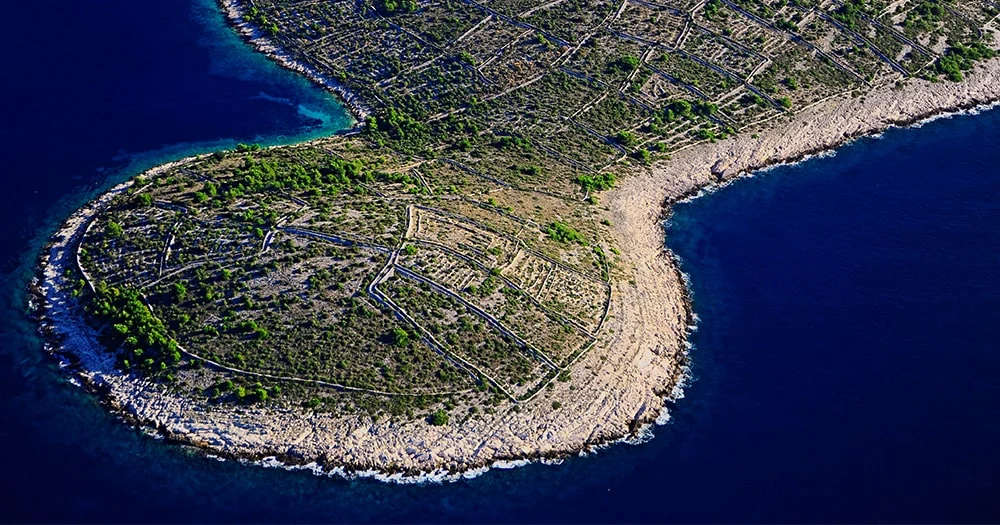
For example, there are two types of dry-stone walling on the Kornati islands. One type is between olive groves and the second one is between pastures. Kornati National Park has 323 kilometers of dry-stone walls. Conversely, islands such as Baljenac are known for the intricate fingerprint-like stone walls (fun fact: the Croatian Ivan Vučetić invented fingerprinting). Elsewhere, the UNESCO World Heritage site Stari Grad Plain also has intricate dry-stone walls, as do the steep inclines of the Pelješac vineyards.
For those interested in learning more about the art of dry-stone walling, the association Dragodid offers stone wall workshops as part of their efforts to protect the art for generations to come.