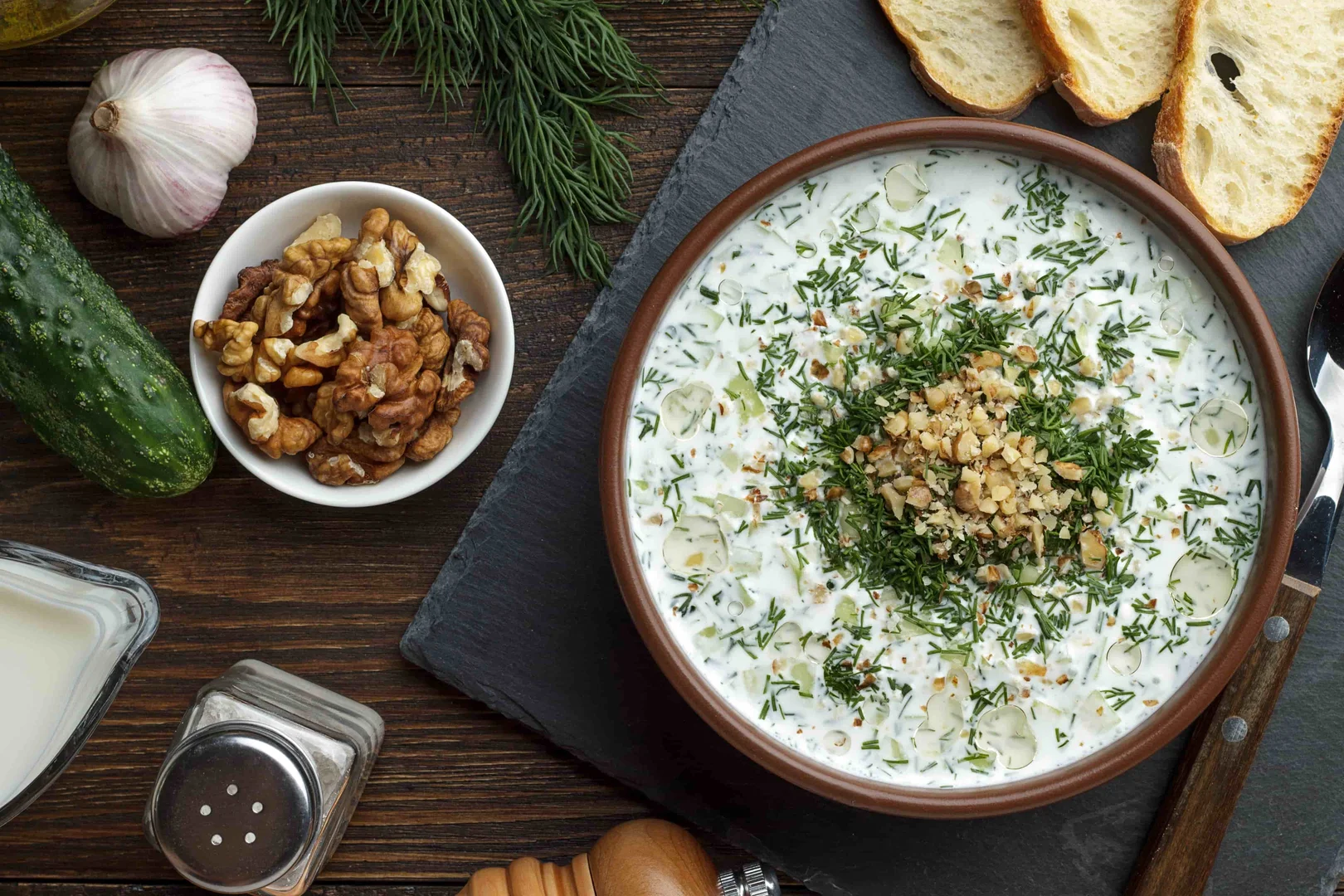
Food is one of the small pleasures that make a trip to Bulgaria feel complete. Across the country, recipes are shaped by mountain air, sea breezes, family traditions, and fragrant herbs picked from local gardens. Bulgarian cuisine is generous, comforting, and deeply connected to everyday life.
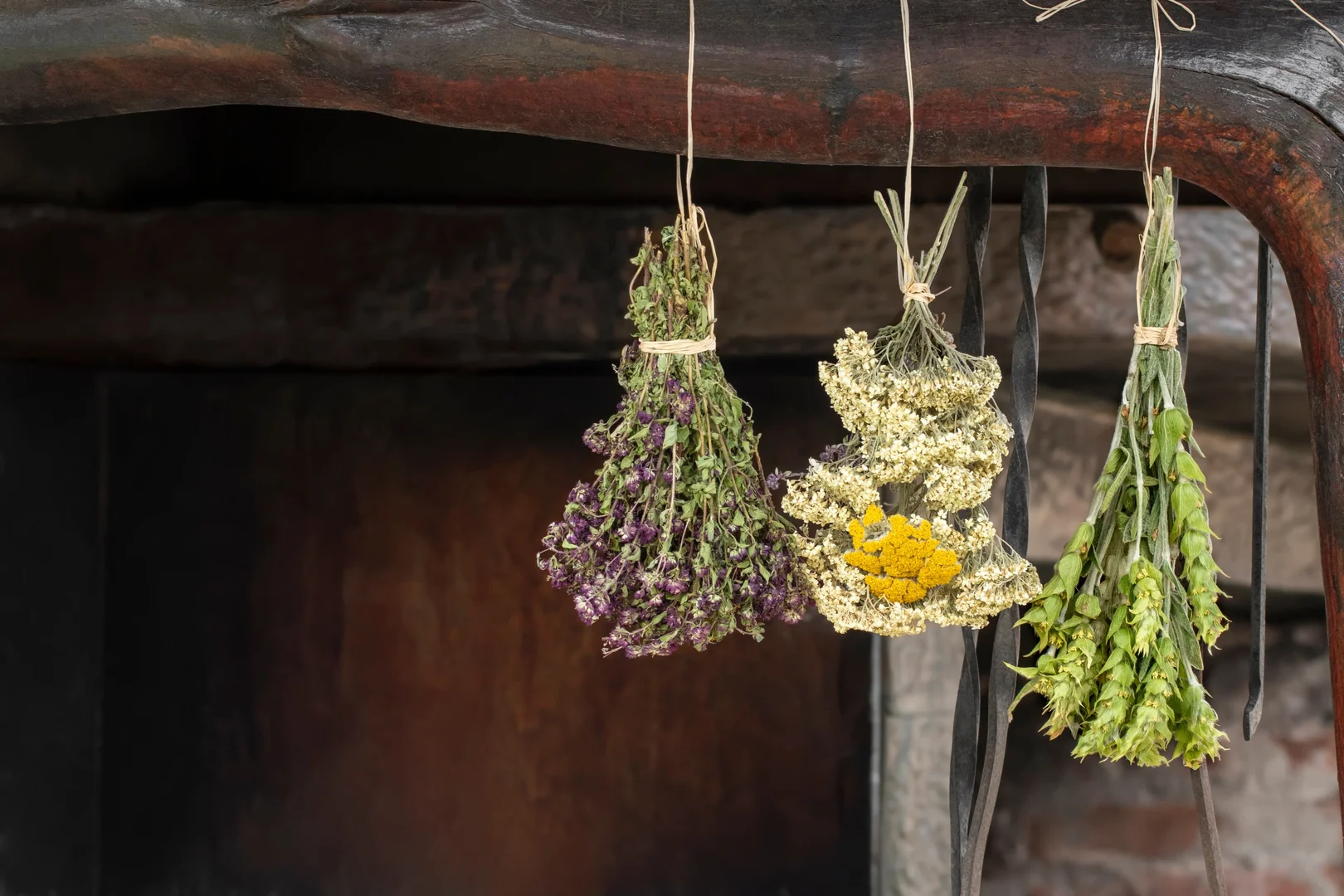
From spring to summer, tables fill with fresh vegetables, herbs, and white cheese. In winter, slow-cooked meat dishes, potatoes, pickled vegetables, and sauerkraut bring warmth to family gatherings. Almost every recipe includes parsley, onion, garlic, or savory, while mint, thyme, dill, cumin, and paprika add the unmistakable aroma of Bulgaria.
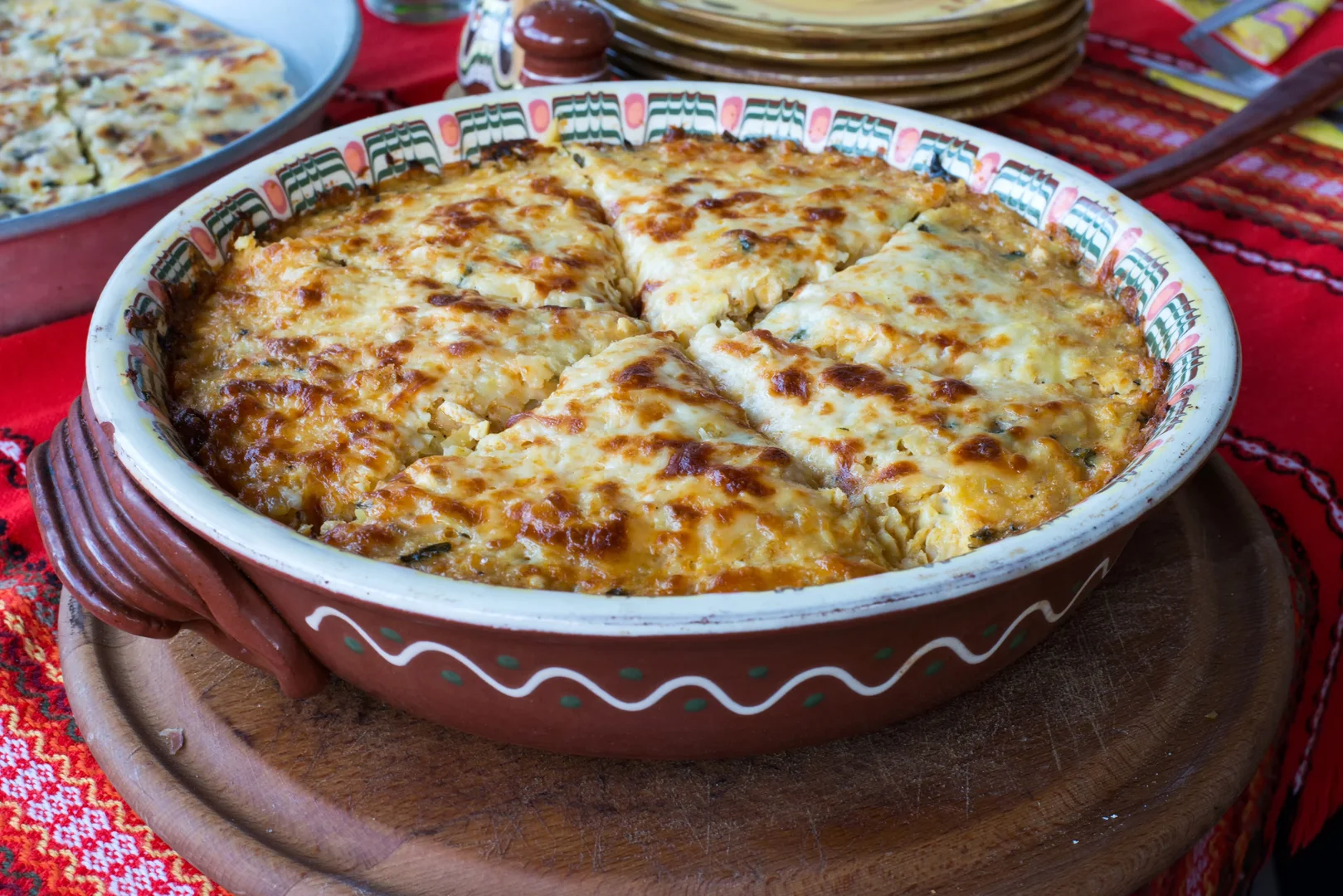
In the Rhodope Mountains, food is simple and comforting. Local families prepare patatnik, a crispy potato pie with herbs, klin pastry with rice and cheese, and dishes made with the famous Smilyan beans. Homemade yogurt, cheese, and fresh trout are often served in small guesthouses surrounded by forests, waterfalls, caves, and spa villages. Learn more at Rhodope Kitchen Guide.
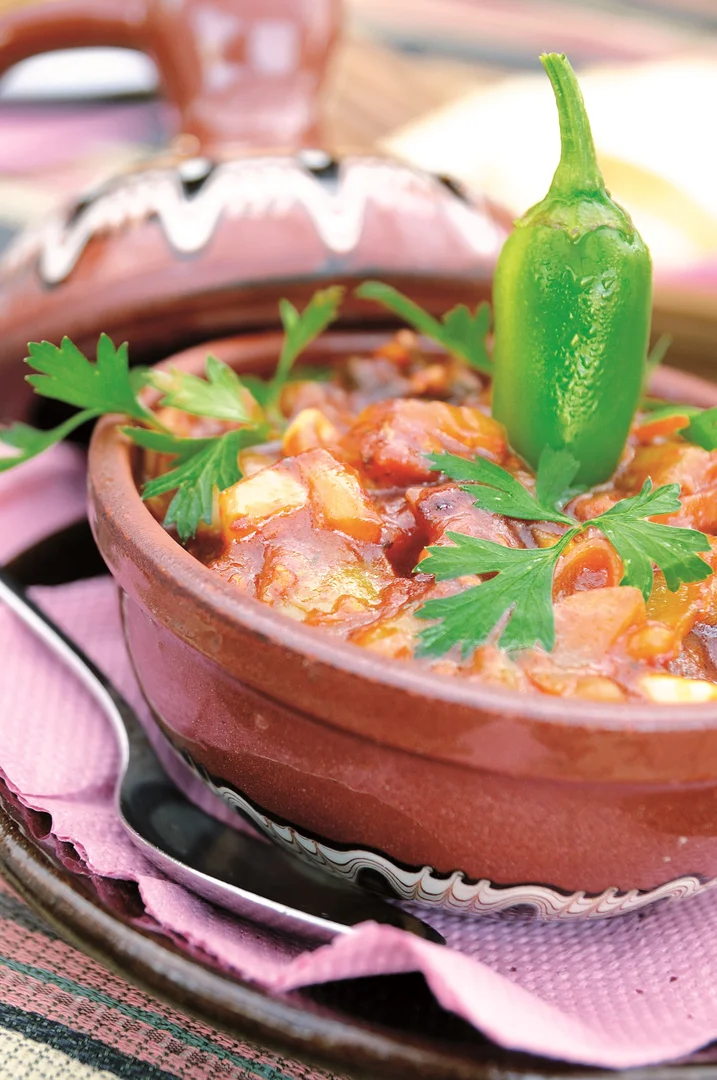
Further south, the Rila-Pirin region is known for its slow-cooked dishes in clay pots. Around Bansko and Razlog, travelers can try kapama, chomlek and local cured meats such as banski starets and nafpavok. The area combines rich food traditions with hiking, rafting, wine tasting, and winter sports.
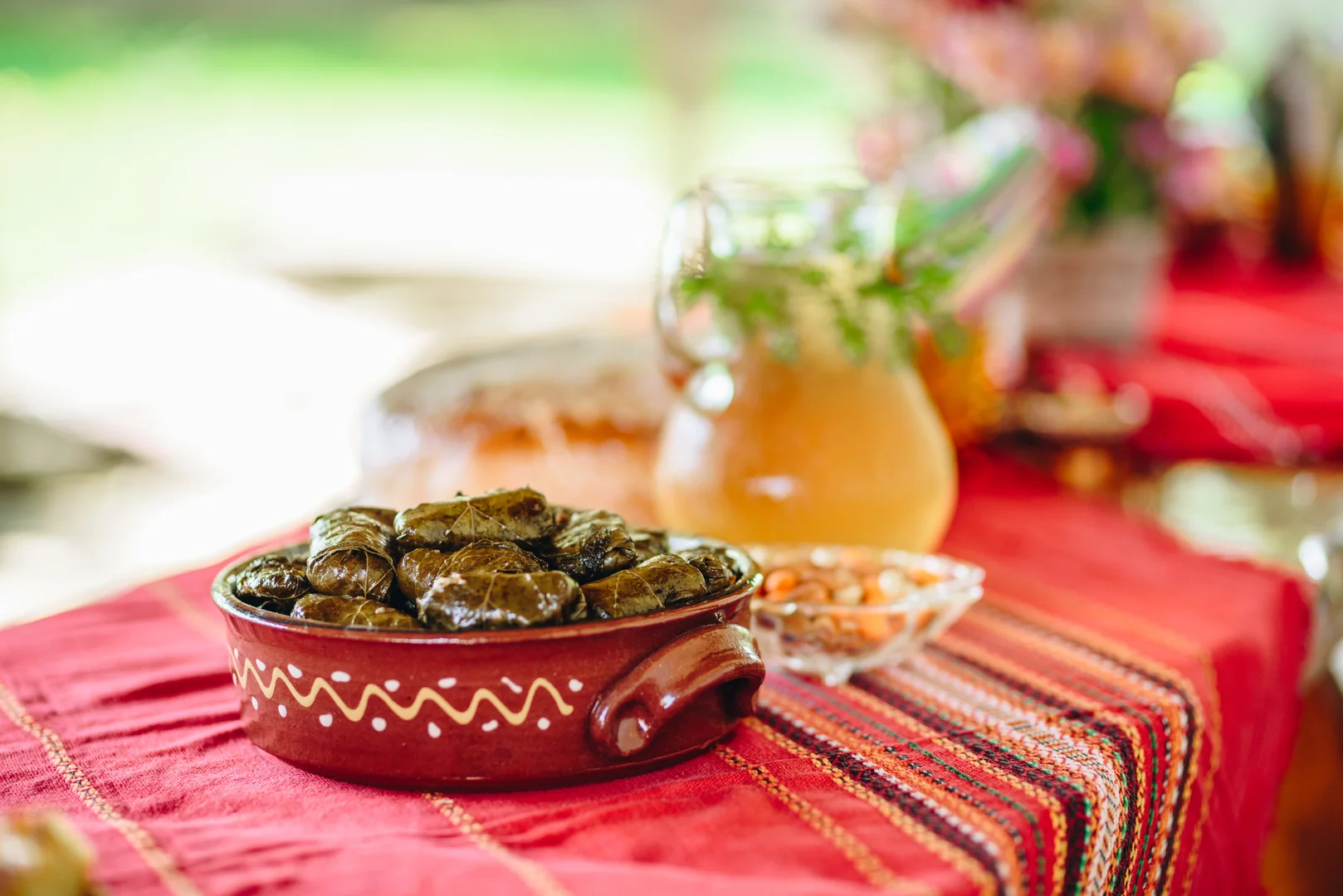
In Thrace, fertile vineyards and family cooking define the landscape. Visitors can taste bean stew with sauerkraut, rice banitsa, tiny vine-leaf rolls called stanimashki sarmi, and regional delicacies paired with local wines. Bulgaria’s culinary and wine routes are featured on Visit Bulgaria Wine and Cuisine.
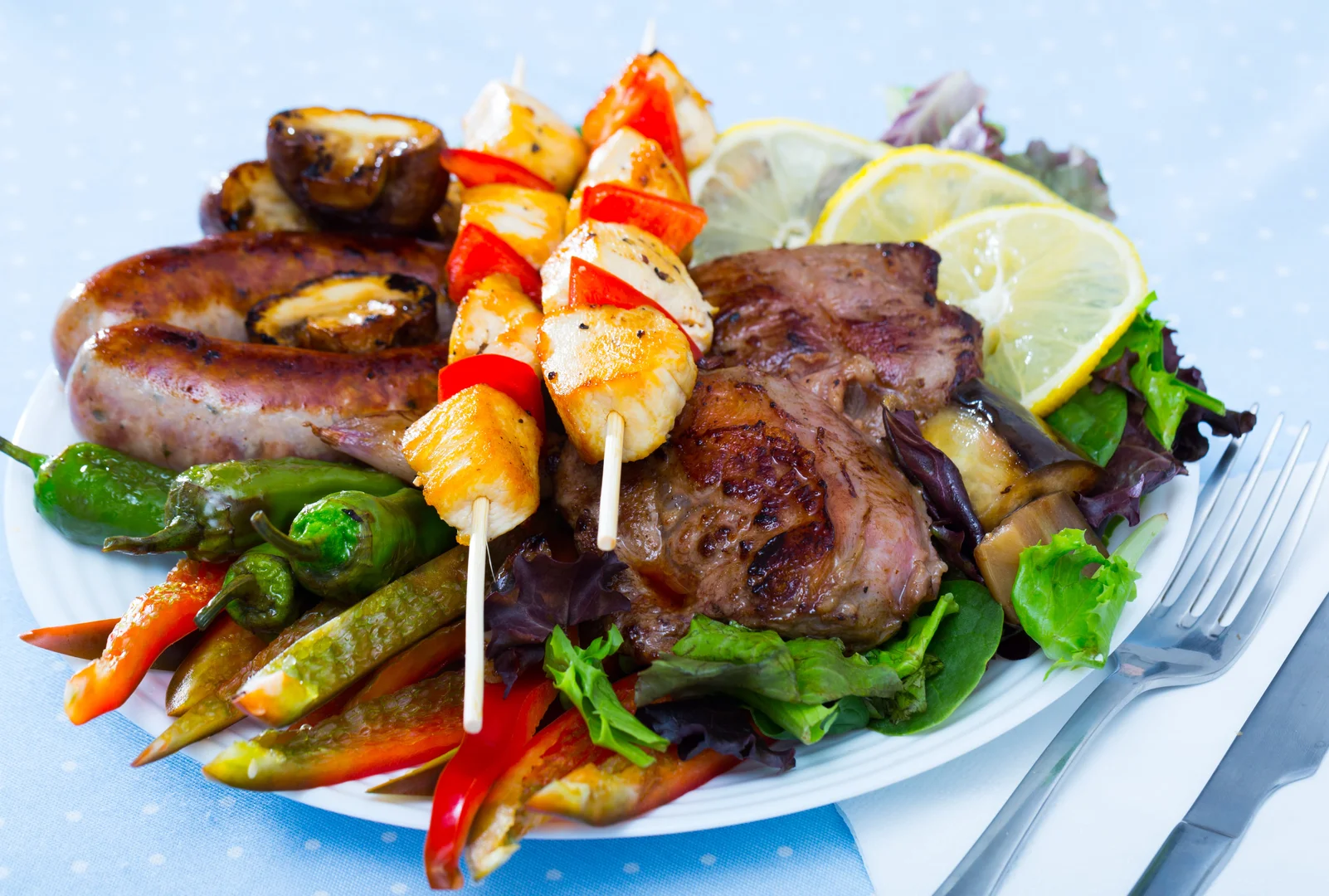
Northern Bulgaria and the Balkan Mountains offer smoky grilled specialties, mountain pastries, bean dishes, and famous delicacies such as Elena filet and Gorna Oryahovitsa sausage. Traditional villages around Troyan, Tryavna, and Chiprovtsi preserve old recipes alongside local crafts and slow mountain life.
Along the Black Sea and the Danube River, fish and seafood are part of daily culture. Mussels with rice, grilled mackerel, fish soup, tarama caviar, and fresh river fish are served in small coastal towns and riverside villages. Farmers’ markets near Varna and wineries across Dobrudzha add even more local flavor to the experience.
Bulgarians believe food tastes best when shared. Whether you are sitting in a mountain guesthouse, a village garden, or a seaside tavern, meals often become long conversations accompanied by homemade wine, warm bread, and stories from local hosts. In Bulgaria, discovering the country through its flavors isn‘t only about eating well — it’s about feeling welcome.