Spring in Lithuania is a special, dynamic period. The wintry weather and long hours of darkness start to fade, giving way to more sunlight, allowing people to stay outside longer. Whether through the silent focus of birdwatching, the slow rhythm of kayaking, or a range of wellness options, Lithuania offers a connection to nature that feels both undiscovered and timeless.
The great migration
During springtime, the Lithuanian skies transform into a vast, living highway, as millions of birds journey across a mixed landscape of coastal dunes, quiet marshlands, and ancient forests. This natural phenomenon makes Lithuania a top destination for birdwatchers seeking the raw, seasonal pulse of the wild, where the sheer volume of migratory traffic spectacle is rarely matched elsewhere in Europe. The epicenter of this activity is the Ventė Cape Ornithological Station.
The Cape serves as a geographical bottleneck for avian travel, positioned strategically along the migration corridor between the White Sea and the Baltic Sea. Due to its unique location, the area witnesses a staggering influx of wildlife, with daily counts occasionally reaching one million birds during the peak autumnal passage. To study this phenomenon, Professor Tadas Ivanauskas, a Lithuanian zoologist and biologist, and one of the founders of Vytautas Magnus University, established the Ventė Cape Ornithological Station in 1929, making it one of the oldest institutions of its kind in Europe.
Navigating Lithuania’s waters
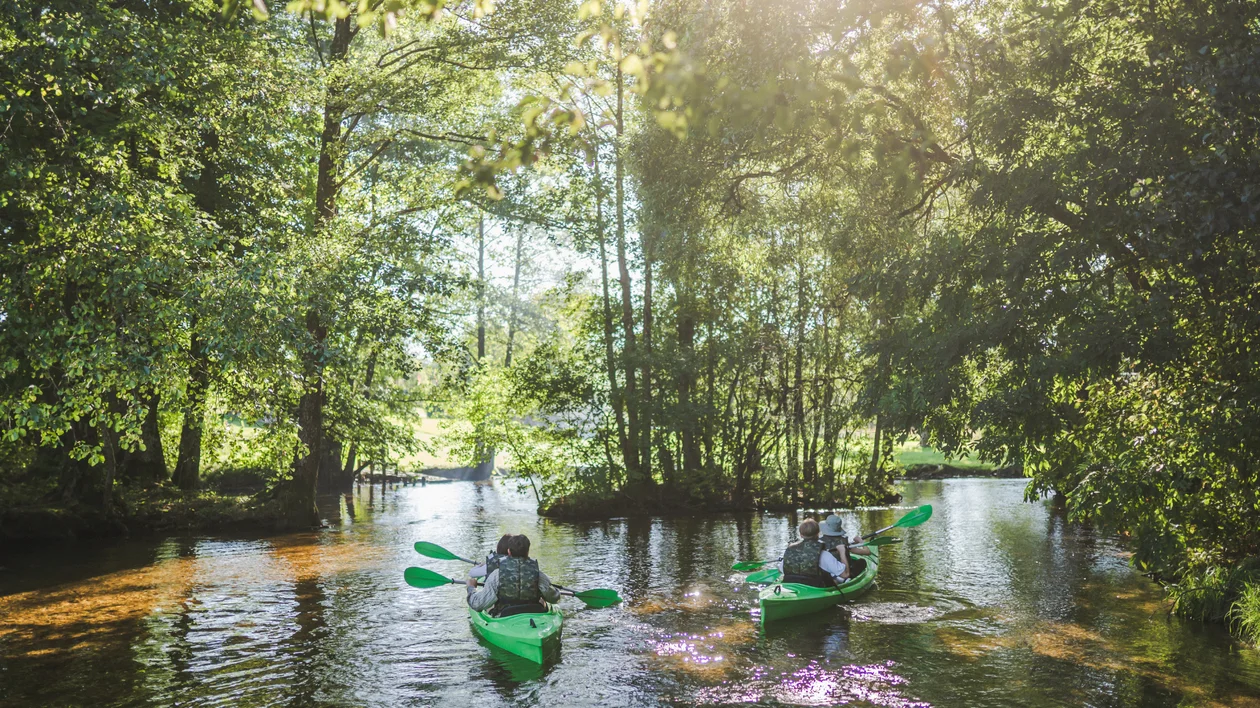
Calling Lithuania a natural paradise is no cliché; it is a literal “liquid labyrinth”. The landscape is defined by an intricate network of over 3,000 lakes and 29,000 rivers, of around 64,000 kilometers in combined length. This abundance of water offers more than mere recreation, it provides a unique form of water therapy that ranges from high-energy coastal sports to serene inland drifts. Whether you’re navigating the deep wilderness or paddling through the heart of the capital, discovering the country from the waterline is the ultimate way to experience it.
For those seeking isolation, the rivers of Dzūkija National Park wind through scenic valleys and ancient pine forests. You can choose a peaceful family canoe trip down the gentle Merkys River or opt for a more technical challenge on the Ūla, known for its swift, winding current, cold, spring-fed waters, and scenic, forest-covered banks.
The adventure continues into the Aukštaitija National Park, where a chain of interconnected lakes allows for multi-day expeditions through narrow, reed-lined canals.
Even within Vilnius, the European Green Capital 2025, the wild is never far away. Kayakers on the Vilnelė and Neris rivers gain a rare perspective of the city, paddling past urban architecture into nature’s surprises, such as the Pūčkoriai Exposure, the nation’s highest and most dramatic cliff.