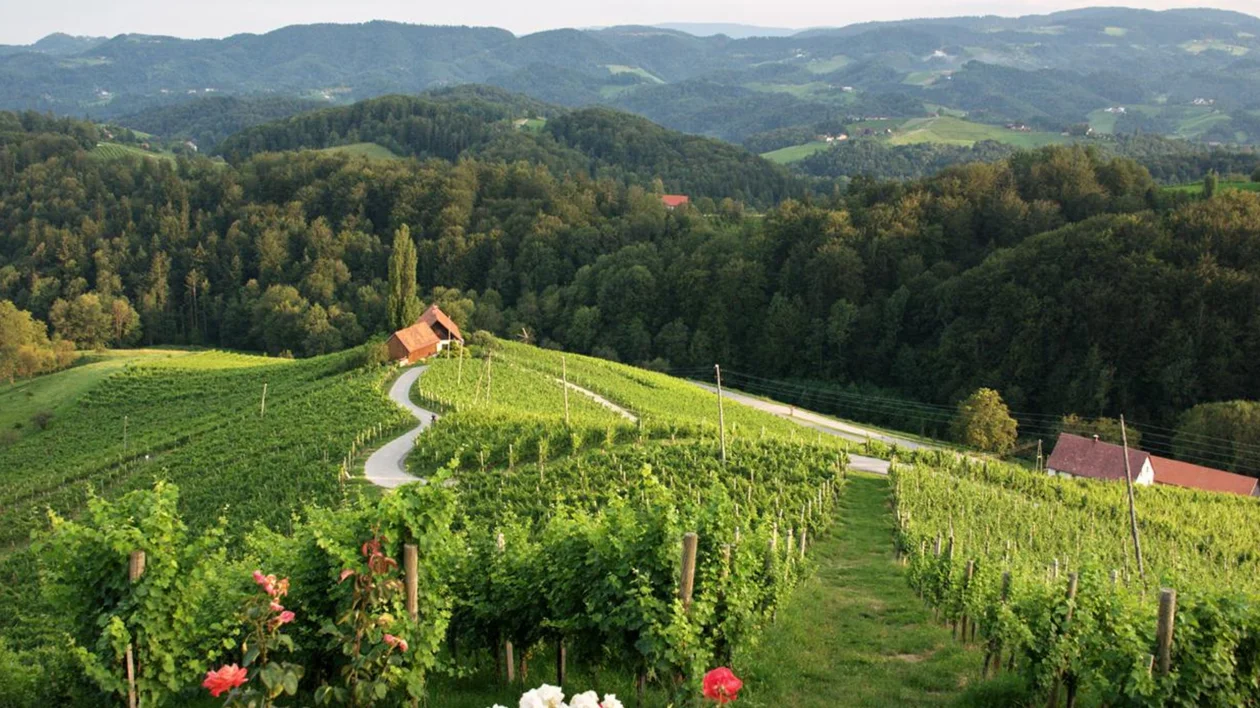
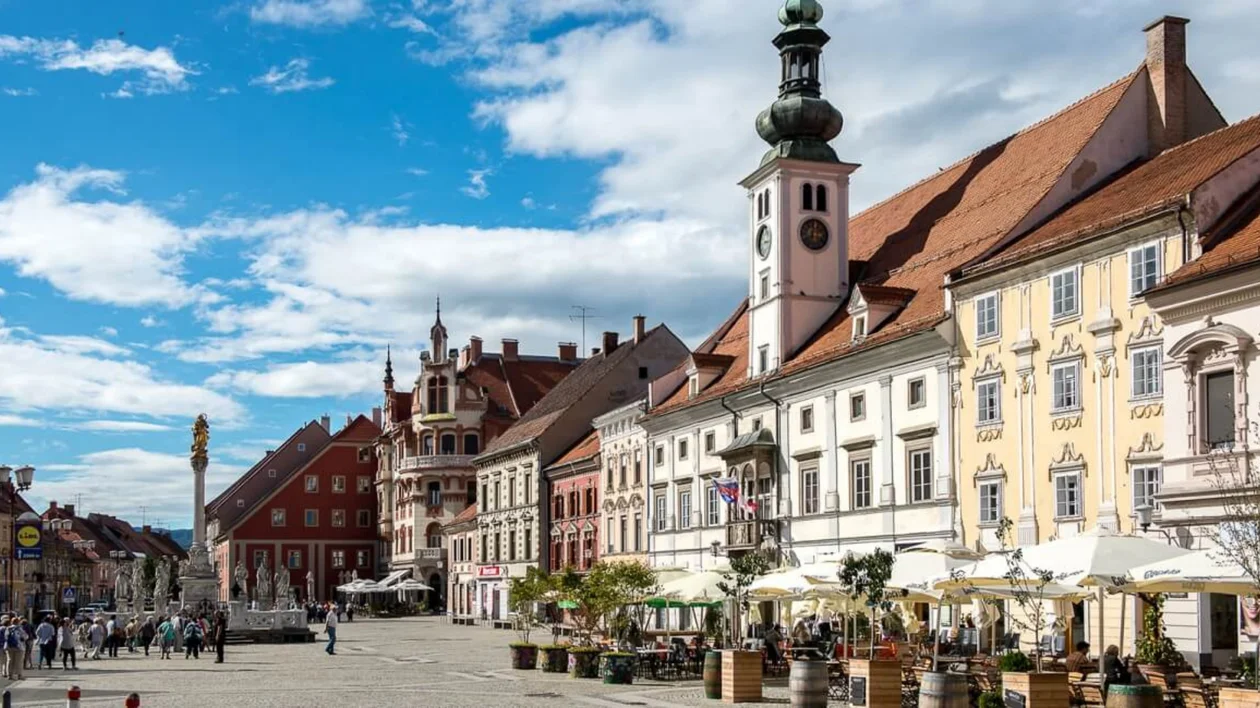
At the heart of Slovenia’s largest wine-growing region lies Maribor, the capital of Slovenian Styria and the Best Wine Capital in Europe 2026, as ranked by the European Best Destinations platform.
Here, wine shapes the city’s identity, rhythm and stories, while the surrounding hills provide a spectacular setting for discovering centuries-old traditions, outstanding wines, and authentic harvest experiences. Here are the top five reasons to experience Slovenian wine culture!
1. Home to the world’s oldest grapevine
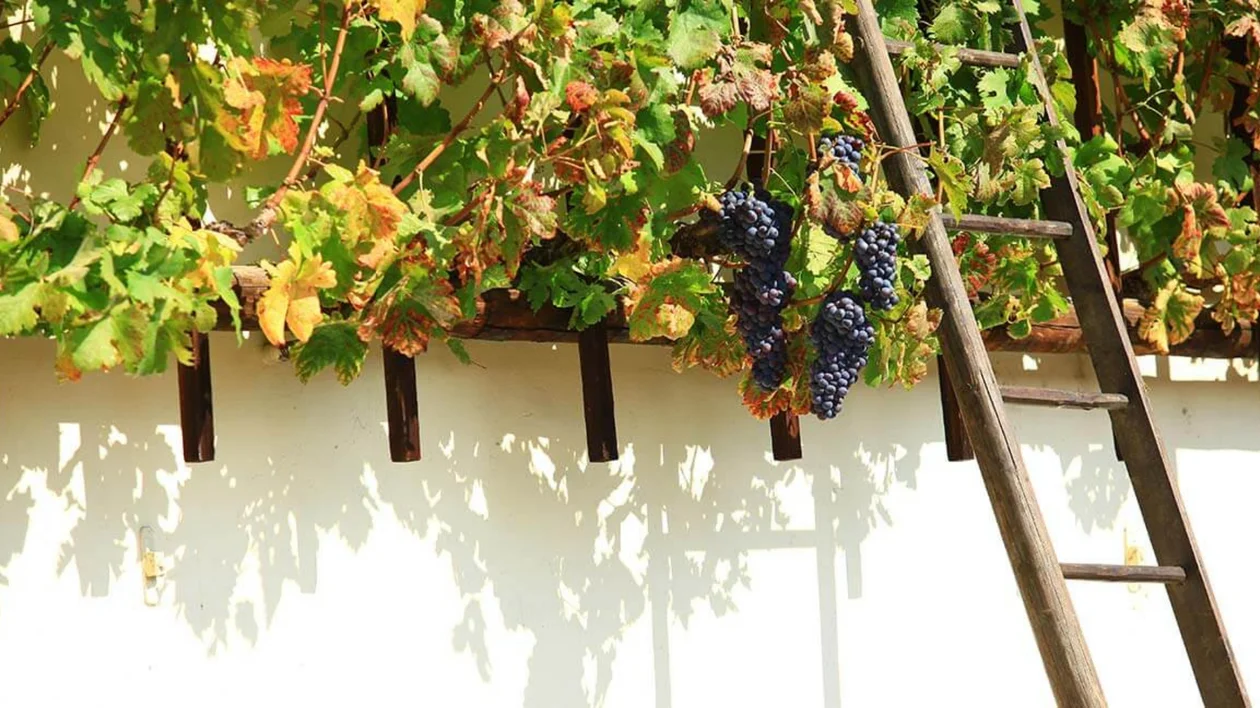
Maribor is home to the world’s oldest noble grapevine still bearing grapes. More than 450 years old and listed in the Guinness World Records, the vine is a living symbol of the city’s remarkable winemaking heritage.
The vine’s annual grape harvest is one of Maribor’s most important wine traditions. The ceremonial event celebrates not only the vine itself, but also the generations of winemakers who have preserved the region’s viticultural knowledge and identity.
2. Vinag — one of Europe’s largest historic wine cellars
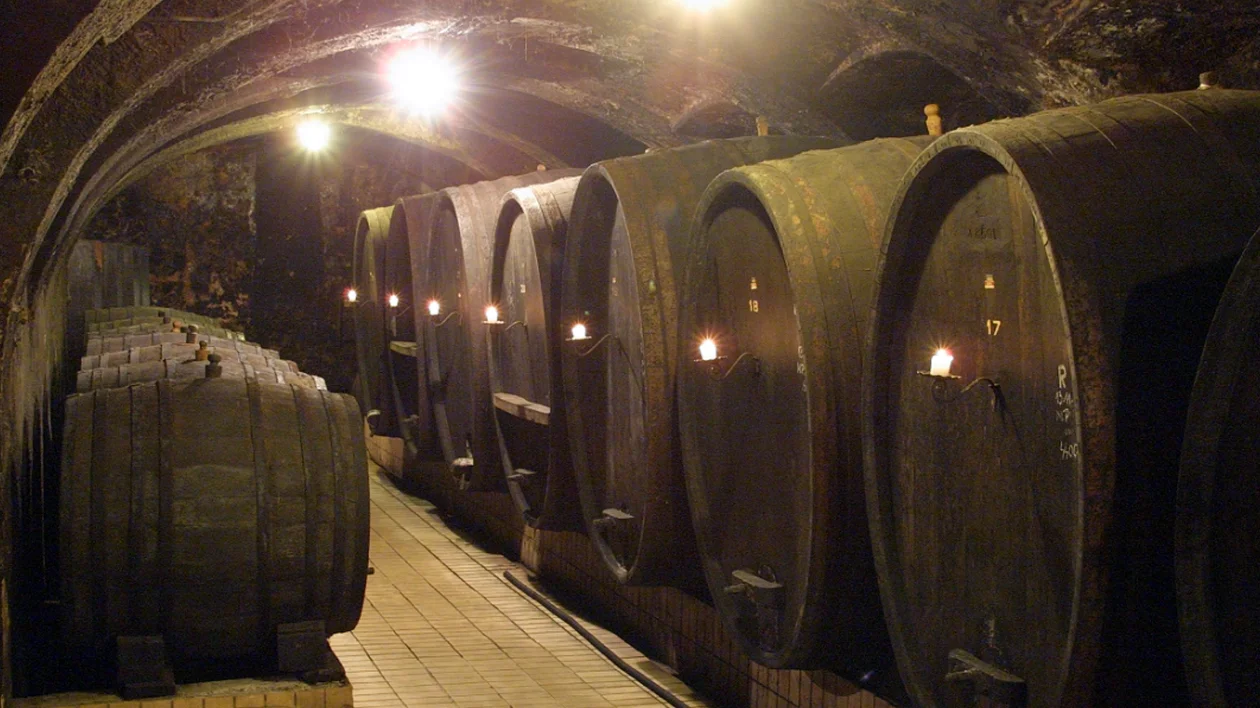
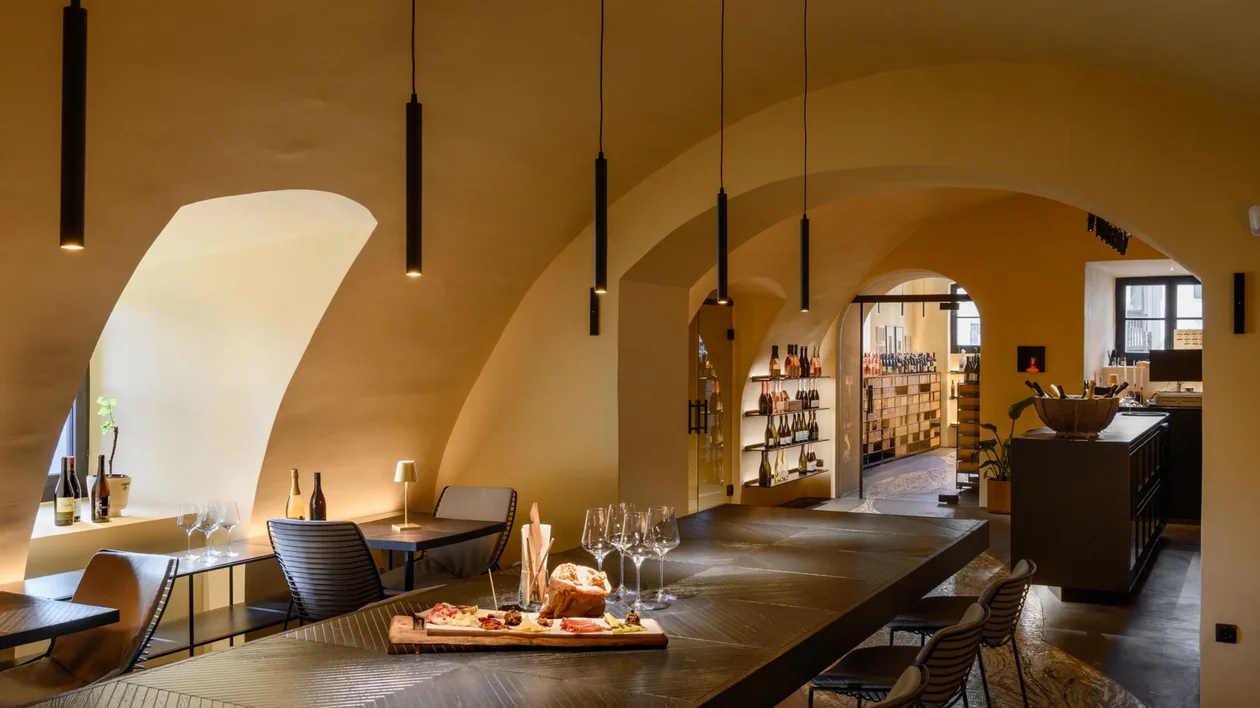
Beneath Maribor’s city center lies another extraordinary part of its wine story: the historic Vinag Wine Cellar. Its underground passages extend for 2.1 kilometers, forming an impressive labyrinth beneath the old city and making it one of the largest traditional wine cellars in Europe.
3. The Maribor Wine Queens — custodians of the vine
Every two years, Maribor crowns a new Wine Queen who becomes custodian of the city’s wine heritage. She represents the legacy of the World’s Oldest Grapevine, the expertise of local winemakers, and the cultural richness of Styrian viticulture.
4. One of the World’s Finest Wine-Growing Regions
The steep and carefully tended vineyards of Slovenian Styria rank among the top four per cent of the world’s best wine-growing regions. Differences of up to 15°C between daytime and night-time temperatures help grapes retain vibrant acidity and develop intense aromas. The result is a distinctive selection of characterful wines that express the region’s landscape and climate.
Local varieties such as Ranina and Ranfol give Slovenian Styria an additional signature found nowhere else.
5. From Roman Roots to Modern Wine Mastery
Wine has been produced in this part of Slovenia since the time of the Celts and Romans. Over the centuries, the region’s winemaking culture has evolved through craftsmanship, knowledge and innovation.
Today, boutique family wineries continue this legacy while exploring contemporary approaches, including sustainable viticulture and wine aging in clay amphorae and concrete eggs. Their wines honor centuries of tradition while expressing the confidence and creativity of a new generation of Styrian winemakers.
This long story is also reflected across the wider region. Slovenian Styria is home to the first Slovenian sparkling wine produced using the traditional method, the country’s oldest preserved wine in the Ptuj Wine Cellar, and the renowned sparkling-wine heritage of Radgonske gorice.
Start planning your exploration of Slovenia’s Styrian wine roads!