

Stories from the Croatian countryside
Far from the famous coast, valleys crowned with castles and villages shaped by tradition pulse with the steady rhythm of old customs and history that isn’t preserved behind glass, but woven into everyday life.
Castles near main routes
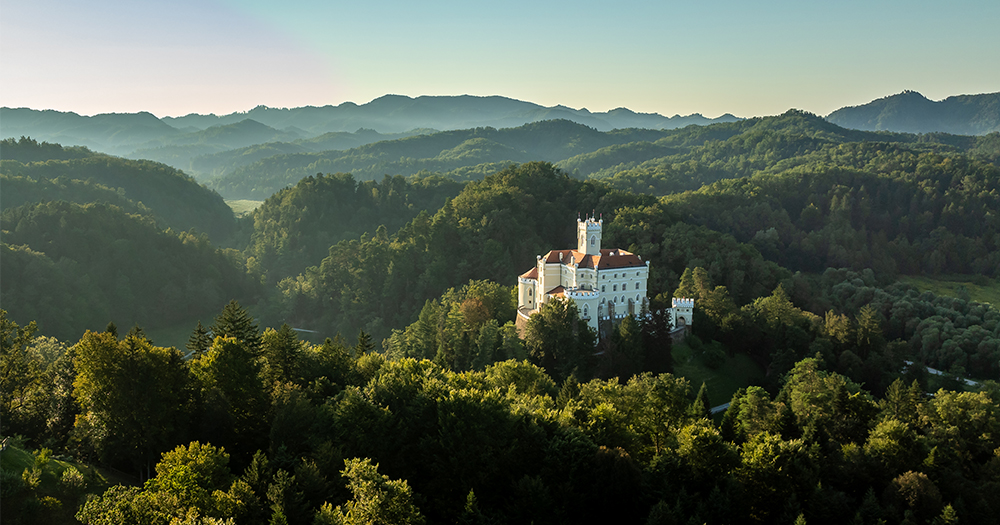
Travelling through continental Croatia feels like stepping into a living atlas, where old borders and historic trade routes still shape the landscape. In Hrvatsko Zagorje, medieval castles rise above vineyards and winding rivers. Trakošćan Castle is powerful reminder of the influential Drašković family, whose home it once was. Today, its halls and exhibits offer insight into a past closely tied to the surrounding countryside, where personal stories and the continuity of history quietly bring these places to life.
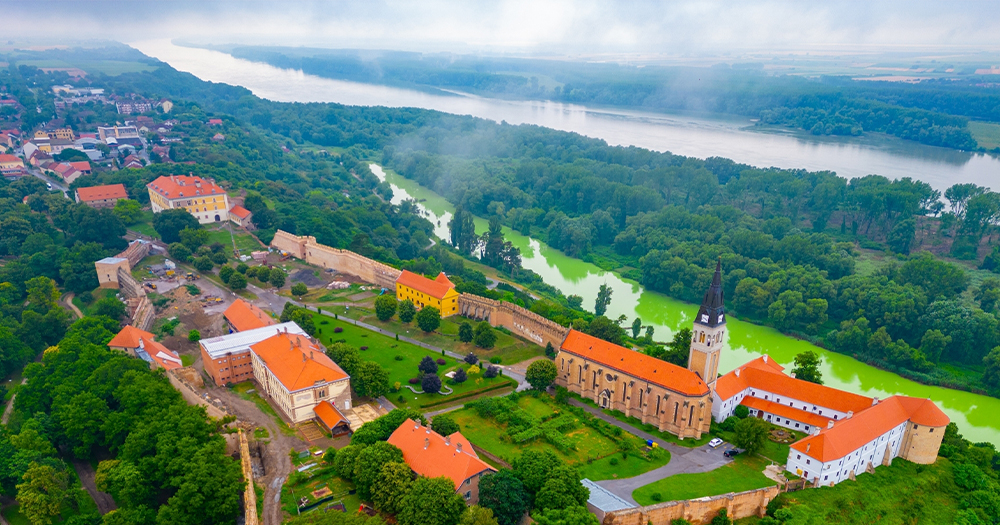
To the east, along routes that once linked Croatia with Central Europe, fortresses guarded vital river crossings and trade paths. Imagine a medieval watchman beginning his day, footsteps echoing along the battlements, senses alert to the world beyond the walls. These uncrowded sites invite lingering and offer insight into medieval routines and the lasting significance of Croatia’s heartland. They quietly tell their stories without spectacle or nostalgia.

Villages shaped by time and tradition
Croatia’s hinterland speaks through villages shaped by the land itself and sustained by long-held customs. In the north, wooden houses and orderly farmyards line along village roads, reflecting a life closely tied to forests and fields. Small churches and village greens remain the social heart of these communities, just as they have for centuries. On market days, they come alive with fresh produce, handmade goods, and shared stories, an expression of continuity that still anchors village life.

In the Dalmatian hinterland, history is written in stone. Villages cling to hillsides above fields, the homes built from local limestone. Life took shape around communal wells, terraced plots, and the turn of the seasons, engendering resilience and close-knit ties. Quiet lanes and unadorned houses speak of steadiness more than change, preserving a way of life defined by continuity.
Heritage written into the landscape
Subtle details often reveal Croatia’s history: Near Solin, a lone Roman milestone stands by the roadside, proof of an ancient route that once connected the region. Roman roads continue to shape modern paths, while dry-stone walls still divide fields as they have for generations. Along the Sava, Drava, and Kupa rivers, forts and watchtowers hearken to a time when waterways defined power, defense, and trade.
To experience this slower rhythm of discovery, follow the quiet roads through the vineyards and castles of Hrvatsko Zagorje. Then, continue east toward medieval fortresses and broad river valleys that whisper of centuries past. Take time to linger and let history settle around you. Croatia’s countryside invites travelers to move slowly, stay longer, and connect with Europe’s past in a languorous and palpable way.
